Lord Belmundus – The Omnibus One is a compilation of Books 11 through 15 of The Adventures of Lord Belmundus, a remarkable tale of other worlds, strange customs, beauty and warfare; and, in its grips, lands a young celebrity, who has the chaps to pla
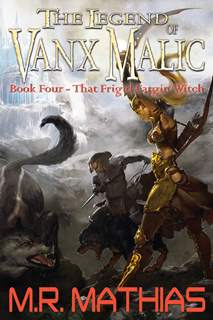
The hoar witch and her forest full of malformed creatures await Vanx and his curious group of companions as they try to save the fairy folk and their magical Heart Tree from the powerful old crone and her evil.
Dawn McCullough-White writes mainly dark fantasy and horror. Her novels tend to favor the use of anti-authority anti-heroes as the main characters, most commonly with a strong, female protagonist.
Background
Information
"Cameo the Assassin, a historical novel from Dawn McCullough-White, is an engaging, fast-paced romp"~ M. Wayne Cunningham ForeWord Clarion Review
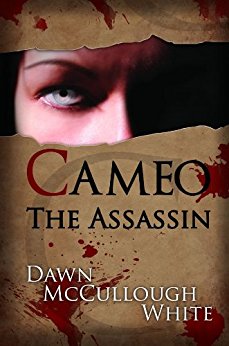
About the first book in the series: Cameo, the main character is an assassin who seems to possess a certain, otherworldliness. She has a master that she works for at a place called The Association, which is a company of assassins, and a secret master who is a vampire. She's sort of stuck between a rock and a hard place, she hates working as an assassin but she's afraid if she breaks from the company they'll kill her, and she has a vampire master who seems to delight in tormenting her by killing the people she loves. Up to this point in her career she has steered clear of any sort of friendship entanglements, until she meets up with two somewhat charming highwaymen.
Dawn McCullough-White is the author of the Cameo series. Her first novel Cameo the Assassin is a historical, dark fantasy set in the faux 18th century.
Dawn was born in 1969, in Rochester, NY, and began writing prose at age 14. Ms. McCullough-White is married and has a young son. She is fascinated by history and social psychology. She is a vegetarian and animal lover. Her favorite drink is Gewürztraminer. She's fan of Alice in Chains, U2, and Stabbing Westward, her favorite books include The Things They Carried by Tim O'Brien, A Movable Feast by Ernest Hemingway, and The Social Animal by Elliot Aronson.


 Share
Share Save
Save [
[