Part 1 (of 3) of 'Crossovers, Crossovers Everywhere, and Not A New Idea', a look into the explosion in media crossovers, the reasoning behind them, and what makes some better than others.
First published in The Illuminata in December 2002.
Crossing Over (Without John Edward)
Part 1 (of 3) of Crossovers, Crossovers Everywhere, And Not A New Idea By Bret Funk
There is a general rule for cinema: If a movie is a remake, watch the original; if it’s an adaptation, read the book. This rule applies in the opposite direction, too, and I’m reasonably sure it extends to other forms of media. The original format of a work is almost invariably the best one; don’t waste time with copies.
Apparently, Hollywood never got that memo. Printed versions of hit movies are in bookstores before Blockbuster has the DVD, and it’s the rare bestseller that doesn’t eventually find its way to the silver screen. A few exceptional films have earned a stint on television; in the reverse direction, even television shows of questionable appeal are being adapted into movies (I’m still waiting for the What’s Happening! movie). More recently, made-for-TV adaptations (of those books not quite popular enough for Hollywood) have littered the networks and, with slightly better success, the cable channels. Even video games and comic books are getting into the game! Is nothing sacred?
The fact that most adaptations are terrible (anyone see Battlefield Earth or Starship Troopers?) doesn’t help, and in the case of speculative fiction, even the ‘good’ adaptations often eliminate intricate plot points (or characters) and completely pervert or misinterpret the author’s work.
No, wait! That’s the problem! If adaptations were well-made and true -to-form, I wouldn’t be writing this article.
But if adapted versions are regularly of poorer quality than the originals, why are they made? More importantly, why is the public in general (and SF fans in particular) obsessed with media crossovers? Finally, and perhaps most perplexingly, what factors are driving the recent slew of better-than average (in my humble opinion) adaptations such as X-Men, Spider-Man, and Lord of the Rings?
While several factors drive the production of crossovers, money is the undisputed frontrunner. When Hollywood adapts a best-selling novel or comic book series for the screen, they know they have an audience willing to pay $7.00 or more to watch something they’ve already read, if only so they can complain accurately about the dissimilarities between the two versions. If the movie is well made (or at least if it generates enough revenue) it will spawn a sequel or two (like Batman and Superman); if it is terrible, it’s quickly yanked from theaters, moved to video, and forgotten (anyone remember the Punisher or Captain America movies?)
Money is the driving force behind most other crossovers as well. A television series adapted to film will draw fans of the original show, while hit movies that made the switch to the smaller screen might draw big-budget advertisers hoping to capitalize off the movie’s fame. Books adapted from movies often jump high in the lists, and books that are adapted into movies enjoy a resurgence in their own popularity.
Crossing-over into multiple genres, especially when coordinated with video and DVD releases, video games, and other merchandising efforts, creates a near-endless assault for a given movie/book/show, especially when coupled to a good advertising campaign. This promotional blitz can feed off itself, generating more income for each version of a work than several solitary efforts.
Creators of a work are influenced by the siren’s song of money, too, though fame and recognition might play as nearly as strong a role in the appeal of a crossover. Few starving writers (and the vast majority would starve if they relied on writing to fill the dinner table) would turn down a six-figure payment or small percentage of the gross to see their work adapted to film, even at the cost of creative control and the possible misinterpretation or alteration of their themes, morals, and sometimes even plot. Even a modestly popular movie adaptation will bring attention to the author’s book, and a successful one might be more than enough to launch a writer’s career. Since recognition and acceptance of one’s writing should rank nearly as high as making money, selling out to Hollywood can be a very attractive prospect.
Other factors do exist for the creation of crossovers, but they pale in comparison to the power of the dollar. They do, however, figure in more prominently with next month’s topic: why the public loves crossing-over.
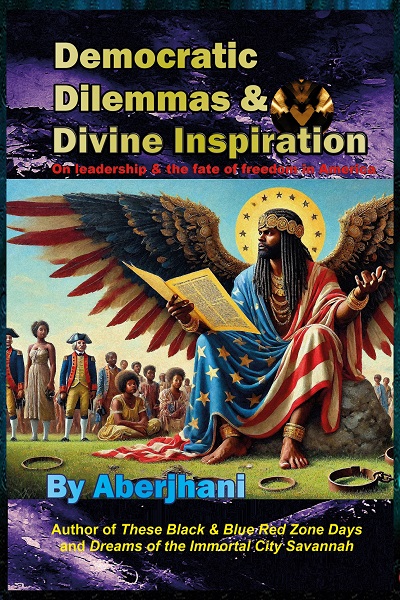
Democratic Dilemmas and Divine Inspiration examines the significance or relevance of the idea that the U.S. Constitution was, as many believe, divinely inspired. How much did that belief matter to founders of the nation and how much does it matter no