Our Father in heaven
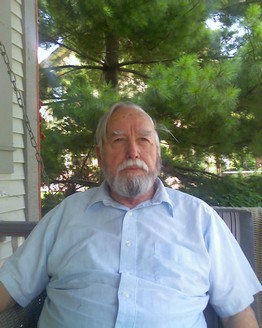
Benjamin F. Plybon
Emeritus Professor of Mathematics, Miami University
Our Bible is a book about a spirit person, the God worshipped by Christians and Jews. Belief in the Bible begins with belief in that God, the one and only God. So, who is this Judeo-Christian God, and why do Christians believe in this Spirit person and insist that He created all things? Do we have any evidence for His existence? Whether God exists or not is a question that is never considered in the Bible. The first verse in the Bible is,
“In the beginning God created the heavens and the earth.”
The unknown author who wrote these words long ago, over three thousand years ago, apparently believed the fact that God exists, and created the world and everything in it, was a logical place to begin. This was axiomatic to him. That is still true for most of the people living on earth today.
Many Bible scholars believe the book of Genesis, as we know it, was written down sometime after 1000 BC by an author, unknown but sometimes labeled “the Yahwist”, who collected the ancient oral traditions and writings of the Jewish people, put them together and arranged them to form a readable account of the early beginnings of his people. This composition is called the Hexateuch because it includes the material we have in the first six books of our present Bible. That author’s account includes stories about a number of individuals who apparently had conversations with God: Noah, Abraham, Isaac, Jacob, Moses, Joshua and many others. The record of their lives, conversations and experiences, is an important part of the history of the Jewish people.
We don’t know today whether Noah was a real historical figure but most Bible scholars believe Abraham was a real person who lived in Mesopotamia about 1900 BC. In the Bible record, Abraham is listed as a descendant of Noah. Abraham had a son Isaac. Most Bible scholars believe son Isaac and his son Jacob were real people. Also, Joshua and Moses living many years later were real historical figures. Whether these men actually conversed with God or not is a matter of faith. Jews and Christians believe Abraham and Moses did talk with God. The record of their conversations with God is very important because it tells us something about God as revealed to them. That is particularly true in the case of Moses.
At the time the Hexateuch was written, the God of Israel had been a part of the lives of the Israelites, the descendants of Abraham, for many centuries. Since the time of Abraham they had lived with the belief that this creator God had chosen them for some purpose unknown to them. He was their God and they were his people. That was the meaning of a covenant God made with Abraham; the covenant was renewed at Mount Sinai with Moses and his people. Throughout the Old Testament we have a continuing account of people who had a close relationship with God, who spoke to God and were spoken to by God. David was one of those people. From the time of King David, around 1000 BC onward the individuals who talked with God left written records behind: the Psalms of David, various writings of Solomon, and most important, the written records of the messages given to prophets such as Isaiah, Jeremiah, Ezekiel, Daniel, Amos and many others. These records were collected and preserved when the Greek Septuagint Bible was assembled, about 200 BC. To completely discount this body of literature, or pretend it doesn’t exist, is not reasonable.
From the beginning, believers in God have known him as a person. When we pray we talk to God as a person. Many people today believe that God can speak to us in various ways. It is not unusual to hear a Christian say “God told me..” or “God showed me the way…”. Very few people report hearing the voice of God out of the blue, or thru their car radio; but His ability to communicate with us is not limited to purely audio signals. I believe that God sometimes speaks to us thru other people, so audio is available, but sometimes He also plants his thoughts directly into our brain; bypassing the ears and connecting nerves. I remember some times in my early days as a Christian, while working hard to improve my understanding of our faith, when questions seemly without answers would be bothering me. And then one day, quite unexpectedly, a thought that at least partially answered the troubling question would appear in my mind. Wow, where did that come from? It often appeared as a statement sounding like it was taken from the Bible, but I didn’t know where. That may be how the ancient prophets “heard his voice”. I don’t know.
Muslims believe that God, Allah to them, spoke to Muhammad. That is the source of their holy book, the Qu’ran. Many of our greatest hymns came to the composer rapidly and unexpectedly, simply planted in their minds. The source? Written accounts of their own explanations of the source of their words and music have been preserved in various books about hymns. Some call that inspiration. These hymn composers would say God. Those who have never experienced such inspiration may call it nonsense. It is not something that can be scientifically verified. It is a matter of faith.
In the New Testament book of Hebrews we find the statement,
“Now faith is being sure of what we hope for and certain of what we do not see. This is what the ancients were commended for.” Hebrews 11:1
The author, some believe this was Saint Paul, proceeds to review the acts of faith of Enoch, Noah, Abraham, Moses and many other Biblical figures. Paul himself is an outstanding example of faith for all Christians.
Because of his faith in Jesus, and the Gospel given him to preach, he was jeered and persecuted in many ways as he traveled over the Middle East; he was even stoned viciously and left for dead at one time. But he never faltered. Eventually, he was placed in a jail (actually house arrest) in Rome and then executed. What was the source of such faith? Initially, Paul (known as Saul at that time) was a persecutor of Christians. Greek physician Luke, a disciple of Paul, the writer of the Book of Acts, tells us in Chapter 7 of that Book, Saul/Paul was present at the stoning of Stephen, one of the first Christian martyrs. Then he had a conversion experience on the road to Damascus. In Saul’s own report of this event he states that he heard Jesus speak to him, much to his astonishment. The whole story is given in Chapter 9 of the Book of Acts; he repeats his story at other times and places, as recorded in this same book, written by his friend and disciple, the physician Luke. This is a relatively recent record of a real experience by a real human being, an intelligent, educated man with some skill in recording history. This man talked with the risen Jesus, the Christ. We have a written historical record of that fact in the book of Acts. Paul wrote letters recording the effect this experience had on him. To claim Saul’s encounter with Jesus never happened, that he never heard the voice of God, would leave us with no explanation for Paul’s life thereafter. To me, that is unreasonable.
Many people in this world believe in this God that is a person. Christians have the strongest reason of all for believing in a personal God. All Christians believe that God walked and talked with human beings on this earth 2000 years ago in the form of the person Jesus. There is much evidence for that. That is what Christianity is about. He came to us for a purpose; He lived for a purpose, and He died for that purpose. The four Gospels Mark, Matthew, Luke and John tell the story of the man and his message. We have written records by witnesses who knew him, walked with him, talked with him and heard his voice. They had never met a man who had spoken words like this man and did the amazing things this man did. Some people go to great lengths to try to explain all of this away. There are ways to do that, but the explanations are more incredible and unreasonable then the Biblical account of the life of Jesus.
It is truly sad that so many people today refuse to accept the religion of Jews and Christians because of the centrality of their belief in the personal God of Abraham, Jacob and even Jesus. Some present logical, intellectual reasons for their disbelief. But these statements are based on misunderstandings about God; misunderstandings that could have been corrected by more study of the history of Judaism and Christianity. Some write about the foolishness of belief in a personal God, which they view as some kind of long bearded grand old man in the sky looking much like the posters of Uncle Sam. Actually, I and most Christians that I know, have no physical picture of God the Father; He is spirit, not flesh and bone. Some of us at times think of God as looking much like Jesus, the Jesus we see in paintings by the masters. Jesus said, “If you have seen me you have seen the Father”, but he did not mean that to be taken literally as referring to physical appearance. We know that.
Some respected thinkers have expressed problems with the Christian concept of God. Most of their objections are answerable by Christians and Jews knowledgeable about their scriptures and their theology. It would take too much space here to list all of these objections with their respective responses but one oft-recurring one may suffice.
The major problem for many thinkers is the problem of existence of suffering and misery in the world caused by disease, starvation, wars, etc. If God is omnipotent why doesn’t he do something about this and keep his creatures happy? But this is a very old problem that has been discussed by philosophers and theologians for centuries. It is the topic of the book of Job in our Old Testament, a very old book. A rabbi presented a recent discussion of the problem in a book titled “Why Good People Suffer”. Answers by philosophers vary, but a proper Christian response is that God is not the problem, we are. Most of the suffering and misery in the world is caused by mankind. We hurt each other, we create situations leading to disease and starvation, we start wars and kill each other. We pollute our environment producing unhealthy living conditions for millions. We probably have the resources to eliminate most of the starvation and disease in the world, thanks to modern science, but mismanagement and greed get in the way. This behavior of humans causing so much of our problems and suffering is called Sin. God did do something about this problem. He sent his Son to earth to bring help. He taught us about love.
Humans like you and me need to learn how to control our desire to sin and live in peace with each other. It starts with love God and Love your neighbor. The ramifications of that simple teaching are enormous. Unfortunately, most people on earth, including Christians and Jews, do not faithfully follow that most basic of teachings. So simple, yet so difficult for all of us to apply in our day- to-day living. We are not robots, so we are free to disobey God’s teachings and receive the consequences. We can, so we do it. We are living with the consequences of our own actions. Of course there is suffering and pain caused by natural disasters such as tornadoes, or hurricane Katrina that hit New Orleans. Religious faith has helped many to survive the trauma of these events. Such events are not “acts of God”. They are acts of nature, studied by scientists, with the hope of finding ways to minimize their damaging effects. Our God given brains may help us find how to do that. We could at least learn how to build stronger defenses. Some such studies indicate that our human activities may be adding to the danger from hurricanes, floods and thunder storms. Again, we are the problem, or at least part of it, not God.
Atheists love to point to the terrible things religious people have done in the past and continue to do today. So religion is the problem they say. The people involved in these activities, past and present may have been religious, claiming to be Christians, but they were not. You can be “religious” without being Christian. There are many such religious people in the world; they go to church, read the Bible but do not live the Christian way of life. There is too much hate in their life style and very little love. The root meaning of the word belief is to “live by”. These people were not, and are not today, living by the teachings of Jesus, Paul and Peter. They were and are “nominal Christians”; Christians in name only. This is true no matter how big the Bible they carry or swear by. They will each have to answer to God for their actions; actions made even more damning by their claim to be doing this in His name.
One of my favorite human beings, a truly great man, Albert Einstein, believed in God but not a personal God. It is interesting that in spite of his stated rejection of the idea of a God as a person, Einstein has been quoted as often making statements that seem to involve God as a person. “Subtle is the Lord…” is the title of an excellent biography of Einstein written by the physicist, Abraham Pais. The title was taken from the statement “Subtle is the Lord, but malicious He is not”; a statement made by Einstein in response to a rumor he had heard about the results of a certain experiment. In response to the new Quantum mechanics with it’s probabilistic ideas he has been reported as remarking, “God does not play dice”. He made many similar remarks on various occasions about “wanting to know the mind of God” or simply referring to the superior intelligence of God. He seemed to believe the universe was designed by some super human intelligence. God, maybe? Much to the horror of scientifically minded opponents of religion this sounds somewhat like the thinking of those who advocate teaching “Intelligent Design” in our public schools. I believe he really wanted to believe in God as a person, but his intellectual side and reasoning ruled that out.
After many years of observing people, I am convinced that the reason some believe in God and others do not is a mystery. Reasons are given but the real reason always lies deeper. Belief or non-belief is not a purely intellectual matter. It involves the emotions and the spirit as well; the whole person, mind, body and spirit. We respond at some very deep level to God’s efforts to reach us and something within us says no, or says yes. A “no” today may be replaced by a “yes” at a later time. I know that from my own experience. What changes? As we grow physically and mentally as we encounter new people, and new experiences, we also change spiritually. Hopefully we grow spiritually, but the reverse may happen also because of the people we have met and our experiences. We respond first and then we make up intellectual reasons to explain or defend our choice.
The writers of our Bible books did not feel any need to defend their belief in this spirit person God. They were telling what they had experienced and knew. The God of the ancient Israelites was very real to them; they had experienced his touch, and some claimed to have heard his voice. There was nothing imaginary or unreal about the God they knew. He had become a part of their world, not just a thought or an idea about some super intelligence. Men like Isaiah or Jeremiah truly believed they had been chosen and anointed as messengers for God. Jesus spoke of God as his Father, and he seemed to know him as intimately as any one could know a father. Apostles, Peter and John, believed they had talked and walked with God in the form of a human, a man named Jesus. After the death of his physical body his Spirit lived on. The Bible tells us how first century followers of Jesus were instructed and guided by God in the person of the Holy Spirit, aka the Spirit of Jesus.
Paul found his knowledge of God in his experiences, guided by the Spirit of Jesus, and his initial encounter with the resurrected Jesus while on the road to find and punish the disciples of Jesus. To claim Saul’s encounter with Jesus never happened, that he never heard the voice of God, would leave us with no explanation for the life of Saul, who became Paul, thereafter. He knew he had been selected and empowered to tell the world about God as revealed through Jesus, not to debate the existence of God. Paul never doubted that fact. Paul was an intelligent, well educated man and a great orater. But he had discovered that debating with people about the nature of God and Jesus was futile. So he proceeded to abandon that approach. Paul knew truths that were not debatable. His message was for both the heart and the head. That is still true about the message of Christianity in the year 2014.
(Copyright 2014 Benjamin F. Plybon. All rights reserved.)