|
Are there works of art and traditions that are not to be tampered with? The orginal creators of some works of art and certain traditions that nurture humankind better than any substitute, God forbid that they perish from the earth. Humans with discernment and wisdom must not allow the kind of cultural destruction discussed in this essay to take place.
Bastardization of "Lift Every Voice and Sing," also called "The African American National Anthem," by singers who disregard the original music for this song is blasphemous and indefensible.
Among singers who created contemporary versions of this song are Melba Moore and Linda Tillery and the Cultural Heritage Choir. Even more objectionable are singers leading the singing of this song at high profiled African Americans' events, such as two commemorative events I attended recently, one in honor of a notable African American and the other one celebrating the achievements of a noteworthy organization. Lead singers at these two events, knowingly or unknowingly, in "jazzercising," "bluesizing" or "bastardizing" this song denied the audinece the opportunity to sing the song or experience it with reverence. This song is to be sung by all present, in sixth-eight time, just as all present recite "The Pledge of Allegiance," and sing, even when their singing in under their breath, and "The Star Spangled Banner." There is not a substitute for the way we say "Fire! Fire!" when the house is on fire or "Hallelujah!" when praising God.
The lyrics of "Lift Every Voice and Sing" speak of the struggle, executions, including torture and lynchings, hope, faith, achievements and aspirations of African Americans. It should be sung with the reverence that it deserves. The song speaks volumes. It is small wonder that on January 20, 2009, Rev. Joseph Lowery used a near-verbatim recitation of the song's third stanza to begin his benediction at the inauguration ceremony for president Barack Obama.
James Weldon Johnson's poem was first publicly performed by schoolchilden as part of a celebration of President Lincoln's birthday on February 12, 1900. He intended this inspirational poem to serve as a protest against the humiliating conditions of Jim Crow and the wave of lynchings that were sweeping across America. In 1905, his brother J. Rosamond Johnson set to music, in sixth-eight time, his brother's lyrics. They had no idea how important their creations would be to future generations of African Americans.
My message to singers who feel that they can improve upon the original music for this song is, "Don't even try!" Instead, write your own song, both lyrics and music. Don't bastardize "Lift Every Voice and Sing."
Don't deny future generations the opportunity to better know themselves, their heritage, and feel the power that is inherent in "Lift Every Voice and Sing" - The African American National Anthem.
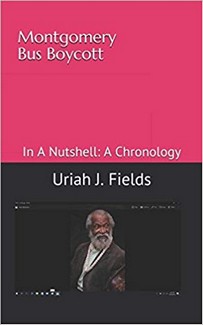
Copyright 2009 by Uriah J. Fields
|