It was sunny and warm spring day when we launched our five canoes at Suwannee Canal for a three-day canoe trip across the Okefenokee Swamp to Stephen C. Foster State Park. Georgia’s Okefenokee Swamp is the third larges National Forest in the Eastern United States.
We had a permit for nine people to stay on Round Top and Floyds Island. The historic Suwannee Canal park entrance was dug in the late 1800s in an attempt to drain the swamp. The overnight shelter on Floyd’s Island is a rustic hunting cabin built in the 1920s. Round Top shelter’s 360° views allowed us to view a golden full moon in the east and a the sun’s red orb in the west.
The 25-mile canoe trail wound through prairies of pitcher plants, pine uplands, cypress, bay and gum forests, oak covered hammocks and peat blow ups. Alligators sunned themselves on logs or glided through the dark water. Sand hill cranes, blue herons and egrets waded through the reeds and water lilies.
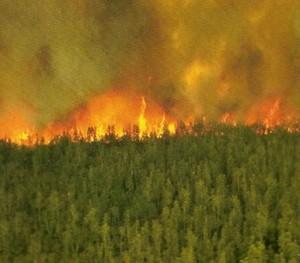
The Okefenokee Swamp has more open prairies now as the April through September 2007 wildfire burned eighty-two percent of the shrubs, cypress forests and pine uplands.
It was the largest wildfire east of the Mississippi River. The prolonged drought and the disruption of frequent naturally occurring fires were the major contributing factors.
Fires within the swamp play an important role in creating and maintaining a unique ecosystem. The Longleaf pine requires fire for growth to reduce competition. Fire also opens up upland forests improving conditions for the endangered Red-cockaded woodpecker, the Gopher tortoise and the Indigo snake.
The swamp’s serenity, solitude and beauty was once again magical. An experience to remember for a lifetime.