People sometimes ask novel writers questions which may seem condescending, although most of them don’t mean it in a negative way. They’ve simply never met an author before. A question I often hear is have I been published yet? The answer is yes, I’m published.
My publishing journey
The publishing industry changed dramatically in the late 20th century. The invention of the personal computer and the World Wide Web gave authors options they’d never had before, and the big publishing houses no longer dominated the industry.
I was a freelance graphic designer when this new technology came along. Most of my projects were designing magazines and catalogs. It was sort of fun, but it was never my passion. I loved creating fine art. I also loved writing, and I was ready for a career change.
In 2006 I wrote the first in a trilogy of historic novelettes for young readers. (Under a different name.) I also got lucky. I happened to meet a small press publisher who was very selective about who she published. Thankfully, she accepted my manuscript, and she soon became more than just a publisher. She was also my mentor. After publishing the third and final book in the Luke and Jenny series I was ready to start writing full length contemporary romance novels for adult readers. At the same time, however, my publisher was changing her business model to specialize in children’s books. We talked it over, and we both agreed that I was ready to start up my own publishing company. So I created Good Oak Press, LLC.
Why I choose to remain an independent author
With traditional publishing the author sells the rights to his or her work to the publisher. This means the author no longer owns their work. It now belongs to the publisher, and the publishing company can do whatever it pleases. Oftentimes this means the work is edited to the point where the author no longer recognizes it. Their name may still be attached to it, but it’s a far cry from what the author actually wrote. The other problem with traditional publishing is that it relies heavily on a premade formula. This limits the author’s creativity and forces him or her to work inside a small box.
A lot of thought goes into my contemporary romance novels. Each and every character has their own unique personality. Every bit of action and dialog is written for a reason. I also put a lot of thought into choosing my locations. If my story is set in Denver I don’t want someone changing it to Boston. If my character is a blonde named Erika I don’t want someone changing her into a brunette named Sarah. Each author has his or her own unique voice, and I don’t want anyone taking away my voice.
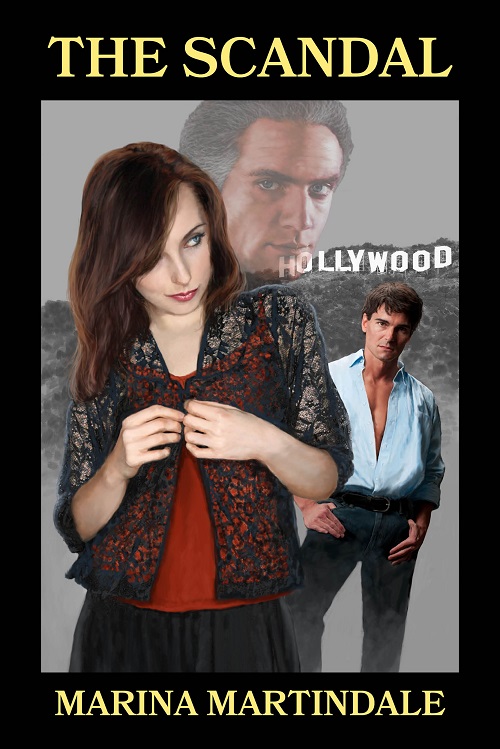
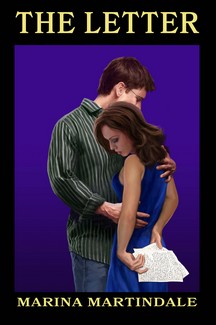
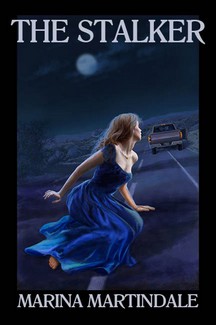
I take my work seriously. Not only is my name on the book, my publishing company’s name and logo is on it as well. I work with an amazing editor who understands me and doesn’t change my voice. A professional illustrator creates my cover art, and my graphic design skills sure come in handy. I know how to typeset and design a book. People often tell me my books look like they came from a big, New York publisher. This is the biggest and best compliment any reader can ever give me.
You have stated your case very well and I believe I have followed a similar path except the part of creating my own publishing company. I have a very good one doing that for me. And I also have very good editor that doesn't change things around, but proofs my work very well.
I recently got a compliment from a writer who has written many books about my book covers. When Photoshop became too expensive and my physical disability made it very difficult for me to do the covers, I hired a professional. But he has done only three of my covers, and I'm very displeased with the last one where the title cannot be seen easily from a distance and the theme, while attracting attention, does not depict the book very well.
Using MS Word, I find that setting up a book format is rather easy. I once set a few lines with a California job case and found it very difficult to do. Why the Linotype was such a wonderful replacement. Once I got my hands on a personal computer everything got easy.
The One Week Writing Workshop shows you how to write a book step by step through a series of motivating writing activities. Working with your own creative ideas, you’ll learn a 7-step novel writing method to use now and on your future novel projects.
The One Week Writing Workshop shows you how to write a book step by step through a series of motivating writing activities. Working with your own creative ideas, you’ll learn a 7-step novel writing method to use now and on your future novel projects.




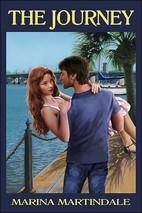


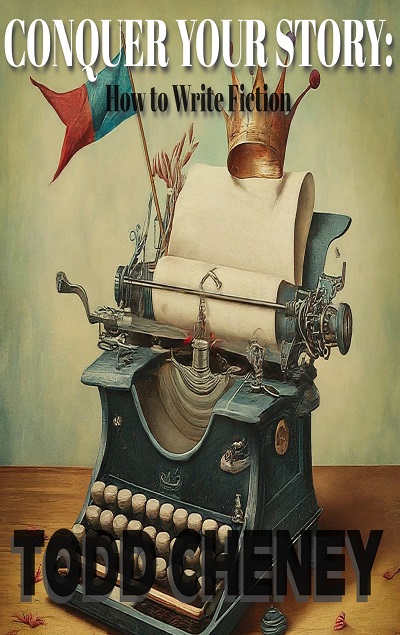
I recently got a compliment from a writer who has written many books about my book covers. When Photoshop became too expensive and my physical disability made it very difficult for me to do the covers, I hired a professional. But he has done only three of my covers, and I'm very displeased with the last one where the title cannot be seen easily from a distance and the theme, while attracting attention, does not depict the book very well.
Using MS Word, I find that setting up a book format is rather easy. I once set a few lines with a California job case and found it very difficult to do. Why the Linotype was such a wonderful replacement. Once I got my hands on a personal computer everything got easy.
Ron