A look back in time to determine who I can blame for making me think adolescence was supposed to be fun
At some point while I was kid, I developed the idea that teenagers lived in some type of nirvana. It was a world where you had freedom and mobility—cruising in cars and staying up late—but without the crushing load of responsibilities that made adults so boring. I got glimpses of this magical life from babysitters and movies like American Graffiti.
It’s taken me 40 years to get over the disappointment of finding that life in high school contained only fleeting moments of that anticipated nirvana, even after I got my driver’s license.
So where did I get this ridiculous expectation? Where did the concept of carefree teenage nirvana come from? In other words, who can I blame?
Rites of Passage Used to Be Instantaneous
If you look back at ancient writings, there is not much, if any, mention of adolescence. People are described as children or adults—there’s no concept of in between. For instance, in the biblical book of Judges, the warrior Gideon takes his oldest son off to battle with him and orders him to kill three kings taken captive at the end. His son was afraid, and this was explained by the fact that he was “only a boy.” He was probably in his late teens, and his father was offering a way to prove he had become a man. But he wasn’t ready to cross that line.
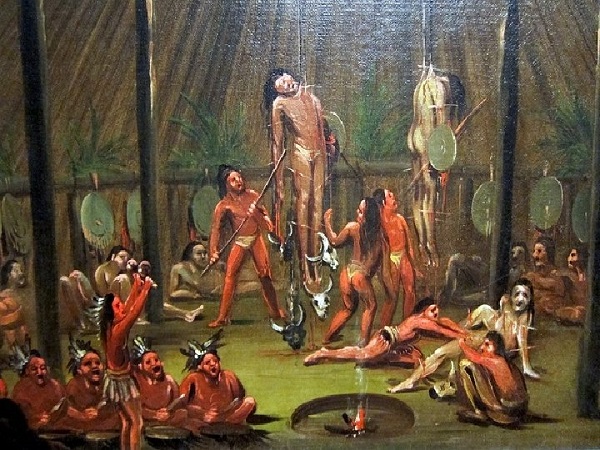
Many cultures had a ritual rite of passage that separated childhood from adulthood. The Mandan tribe on the Great Plains used a four-day ritual that involved fasting and being suspended by hooks until the initiates passed out from pain and blood loss. For females, rites of passage often involved their first menstrual cycle, which used to occur in the mid teens.
Once a boy or girl crossed the threshold, they were expected to act responsible. No cruising around on horses or camels playing pranks trying impress equally immature members of the opposite sex.
Only Fools Act Like Teenagers
Jane Austen understood that adolescent girls could fall prey to teenage temptations, but she used examples only to demonstrate the problems that could result, with little sympathy for those tempted to immature behavior. Catherine Moreland is made to feel like a fool for letting her imagination run away with her in Northanger Abbey.
In Pride and Prejudice, Lydia Bennett, who wants to flirt and dance with handsome teenage boys in uniform, becomes essentially a villain to her family sisters because she acts like a teenager. Only a quick infusion of cash from the hero keeps Lydia’s teen antics from ruining her entire family. Jane Austen recognized the temptations to act like a carefree teen, but her works indicate she thought that anyone who indulged was a selfish fool destined for ruin. And that view continued until relatively recently.
Life Tries to Imitate Advertising
It seems that the concept of teenagers is a 20th Century invention. Some believe the rise of teenagers was triggered by economics—hardship and then prosperity. During the depression when jobs were hard to come by, teens who would have entered the workforce instead stayed in school. Less than 30% of teens enrolled in high school in 1920. By 1941, that number had jumped to 80%. Instead of helping at home or working alongside older adults, those teens where spending their days grouped with others their age in a co-educational cauldron of raging hormones.
Teens became the primary influence on each other’s tastes in music, clothes, and cars. And after World War II, advertisers started paying attention because these teens had money. Advertisers tapped into the market, promoting teen culture as guys and girls on the hunt for a good time rather than young people training to be productive adults. Images depicted a lifestyle that too racy for kids but not appropriate for mature adults.
And that’s where that teenage nirvana came from. Adults trying to make more money, and pissing off other adults in the process.
We Need to Lower Expectations for Teens
We can’t go back to the way things used to be—that horse and her billion dollar advertising budget aren’t going back into the barn. Teens will have their own fashions. We now recognize that teens have the hormones of adults but the developing brains of children, and they need an environment that allows them to enjoy additional freedom with some forgiveness for mistakes. We can’t treat them like adults or children because teens really are different.
But we can help prevent them from feeling like the teen years should be an endless party. We can let them know that they can make fun times throughout their lives and that they will experience pain and hard work during their teens. They may be entitled to some latitude, but they are not entitled to live like parasites.
Life can still include joyrides and moments of irresponsible laughter at any age—any expiration date on fun is one you set for yourself. But you need to balance levity with serious thought and play with work just as much at 17 as you do at 70.
Advertisers won’t share that message unless they can find a way to make money on it. So it’s up to everyone else to help lower teens’ expectations save them the agony of endless FOMO.
Unless you’re the parent of a teen. They won’t listen to you.
________________________________________
The image of a boy’s right of passage comes from George Caltin, who observed the Mandan tribe on the Upper MIssouri RIver regions in the 1830s. Not anyone’s idea of teenage nirvana, or at least not anyone I’d want to know.
The teens in my Regency novels generally behave in a way that Jane Austen might approve, at least by the end of the story. They are trying to focus on their futures, even if they make some pretty poor choices when pursuing their goals. In Deceptive Behavior, for instance, Geni decides to marry the suitor her mother chooses just to get away from her mother, in other words, just to get out of the house. I’m now working on a Regency era story where a group of three friends try to avoid “growing up” for as long as possible, indulging their Gothic tendencies and attempting witchcraft with some disastrous results. The working title is Disenchanted.
|









Most of the past writing was about the sons of great leaders, and not about the ordinary people. For example, Alexander the Great and the boy king, Tutankumen. For most of history and for most of those coming-of-age it was a necessity for children to "grow up" in order to do the hard work required to sustain the elderly who no longer could work, hunt or gather. The rituals were very important to indoctrinate the children, as you indicated so well, into becoming responsible.
For some reason, I became responsible for my actions when I was around 10. But experimented a lot during my teenage years, with restraint, and participated in all the high school rituals like sports, drama and even proms when dad gave me his nearly new car and $20 for gasoline and food.
But during that period I was small, skinny and pimply faced… Considered to be a "brain" even when I was athletic, wiry and tough as a wrestler. I felt left out of the dating scene. All of the girls were maturing faster and it took me into my 20s before I accepted that I would never be a muscular, he-man image, ever. Even though my father was, as a truck driver who spent a lot of time loading and unloading.
Since it is only during the teenage years when people have money that's not dedicated to required future payments, and young people tend to have rather fickle tastes, merchandisers jump on the opportunity. Much of what is considered economic spending comes from the teenage sector.
Ron