There are three characters in "The Big 5-0," two adults and a four-year-old girl (an eight year-old-boy too but he never speaks.) The story is made up of mostly dialogue. What a lot of writers do is to tell the reader how to interpet what the speaker is saying, to tag the dialogue with how the reader is to respond. Do not use tags on dialogue. Don't write the speaker, retorted, shouted, barked, murmured, hissed or any other qualifier. He said, she said is enough. Of course this is not a rule. It's a suggestion. To have a character telegraph violence by shouting is a cliche. Let what the body language or just what the speaker of the dialogue says show the reader how to respond. This is not easy. I had to convince the reader in "The Big 5-0" that this was really a four-year-old girl who is learning how to be polite, is smart, loves her father and is responsible. And most of the time the reader was not told who was talking. But hopefully the reader knew who was talking "just by what the character said." If I did my job as a writer the dialogue needed no qualifiers. Once again, I know there are those who will say this is too restrictive for a writer; but if you can have your characters act out who they are without telling the reader how to judge your characters the reader will identify with the characters and not the writer. Who is more important for a story? The characters or the writer?
You may fail often as a writer in doing this but it is an experiment that will make a writer a better writer if the writer is serious about creating characters that live outside the writer's control.
again, you offer us very worthwhile information. it's our own fault when we sometimes forget it or are in too big a hurry to call a story 'complete'. thanks for sharing it.
...then again, writing about what one knows beat right out any fantasy, taking people from our lives, their manerism, talk, that special little details added to the fictitious under work, will give a certain patina of credibility.
Over all, what the author here say, make sense, and we should wonder a little if what we do is as perfect as we believe.
Well done my friend.
Georg
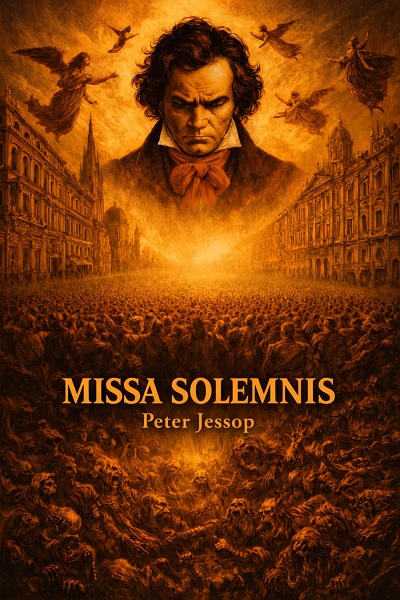
As deafness, illness, and demonic forces close in around him, Ludwig van Beethoven must summon his faith and genius to complete the Missa Solemnis—a sacred masterpiece he believes could bring divine light into a darkening world.
In this eccentric tale set in a small town in northern India, Pawan Mishra masterfully weaves ingenuity and sarcasm in a manner that’s simultaneously hilarious and tragic.
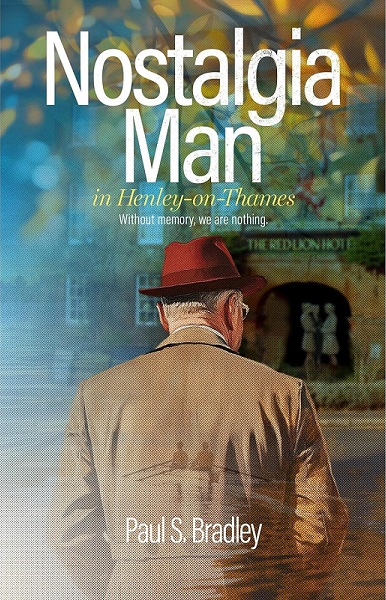
Determined to confront the hazy memories of his troubled youth, Oliver Matthews, a retired detective and confirmed bachelor, returns to the picturesque town of Henley-on-Thames for the first time in years.



Over all, what the author here say, make sense, and we should wonder a little if what we do is as perfect as we believe.
Well done my friend.
Georg