One of the subjects I've kicked around for an article is "cliches." There should be an accent mark over the "e." Don't use cliches in your writing. What is a cliche? It's something you have heard over and over again: her hair was red as fire, he was so hungry he could eat a horse, he ran like a bat out of hell, she drank like a fish, they were as poor as church mice, the oil was black as the ace of spades. You get the idea. Don't do it. If you've heard it before so have other people, especially editors. Send a story to an editor with cliches in it and that editor will send you back that story so fast your head will spin.
You can put cliches in the mouth of a character; but as I told my students at Pitt: a cliche is evidence of lazy thinking. Let the editor think your character is a lazy thinker, not the writer.
Clichés are to writing as throwing derranged people in a snake's pit.
An easy way out from a problem.
Creativity should predomine, if one haven't it, one can save other people from reading rubish by no writing at all.
Georg
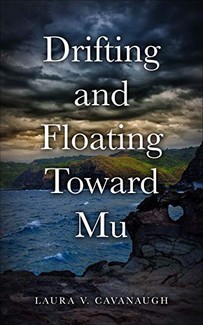
Sarah Thompson has ten days on Maui to find her lifetime after lifetime soulmate. She is certain he is waiting for her there on one of the last remaining land masses of Mu still above water.
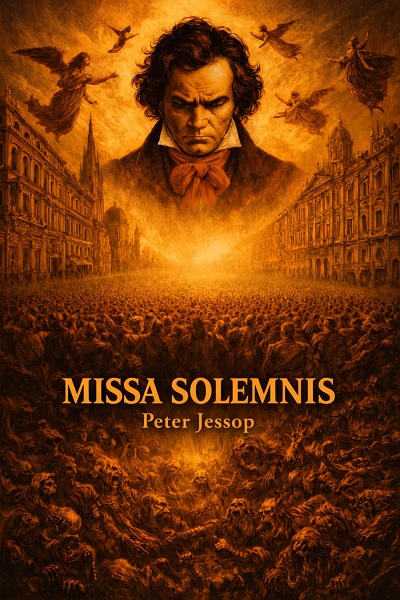
As deafness, illness, and demonic forces close in around him, Ludwig van Beethoven must summon his faith and genius to complete the Missa Solemnis—a sacred masterpiece he believes could bring divine light into a darkening world.
I Made My Boy Out of Poetry is a powerful literary vision of rare scope, beauty and emotional intensity composed of stories and poems that flow in and out of each other like the most lucid and articulate of dreams. These are portraits and studies of



An easy way out from a problem.
Creativity should predomine, if one haven't it, one can save other people from reading rubish by no writing at all.
Georg