Essay by author Lisa Parsons which relates
her experiences and view of New York as contrasted to her home Portland, OR.
It's midnight. Taxis are honking and Times
Square is lit up by the energy and buzz
of the passing crowd. The view down
the street includes an Italian street vendor
selling steaming chestnuts and
the homeless denizens with dusty faces
and greasy hair and beards. I snap a photo
of a woman with green hair and a purple
leather jacket nibbling on a pretzel. My
hands shake as the wind blows through
the steel canyon. On another day, I
might sweat bullets in the one hundred
and five degree summer night.
Morning comes and the sun rises behind
the wall of mutant skyscrapers. Women
rush by in their fur coats and Wing tip
clad men pounce on oversized bagels and
coffee served in white and blue paper cups
with Greek words and architectural motifs.
I rush in for a bottle of OJ and peach yogurt. A health nut, I stand out among
New Yorkers who grab croissants
and espresso from the local Chinese
grocery.
At ten a.m I step off the bus and prepare
myself for the show of Boccioni paintings
at the Metropolitan. Pigeons scatter as
students wearing jet black uniforms carry
books and sketch pads while sprinting up
the steps on their way to see the Mummies
in the Egyptian Collection. A group of middle aged men from Paris captivate museum goers with their colorful language as cab drivers shout out obscenities as they speed past.
Torrential rain and lightening storms in Manhattan are mystical experiences which
bring me closer to God. Rain in Portland
is filled with poetry and wonder. I love thinking of words to describe the thick, watercolor sky: pearl, mulberry, glass, tortoiseshell. As I walk along the woodsy
Park Blocks section near the Portland Art Museum, the mist makes my face feel pliant and soft. There is no urban blight here. Where are the stinky dumpsters? Where are the black and red umbrellas with broken spines that New Yorkers cast out during a wild winter storm.
Impromtu poetry readings of Blake and Ginsberg follow an afternoon service at
the Unitarian Church; the chance to mingle
with close friends in a calm, urban environment enhances my existing feeling
of warmth about the city. In contrast, walks in Central Park mean keeping a close watch out for muggers and purse snatchers as well as the haunting strains of guitar greats like Sun Ra. Portland's anti-war protesters march helter skelter down the Park Blocks, while tanks and military bands move in funerial fashion in front of Central Park
on Veteran's Day.
I am reminded of a particular time I traveled
into the woods of Portland's Forest Park on
a Sunday in July. A few close friends and I
scampered along with my dog Matilda, a spunky Westie. The day, warm, yet not
like a hot, scorching day in Central Park, saw us moving along at a relaxed and deliberate pace. The trees and wild flowers
sprung up, fragrant and colorful as an
Impressionist painting by Manet or Renoir
or a pre-Revolutionary work by Russian painter Micheal Larionov. Time slid by slowly as we walked over slender tree trunks blocking the path and the occassional
stop to water the dog or drink from my sturdy
waterbottle I bought in San Diego last year.
New York and its whizz and bang draw
me close during trips back to my adopted
home. The art world and its never to be
replicated splendor and abundance is
unparalleled. Portland will always be
my home and the place where I feel most at peace and genuinely myself during all times
of the year and in all kinds of weather.
Both cities, coast to coast, bring tears to my
eyes as I fly out of the airport, but Portland
will always be my home and resting place.
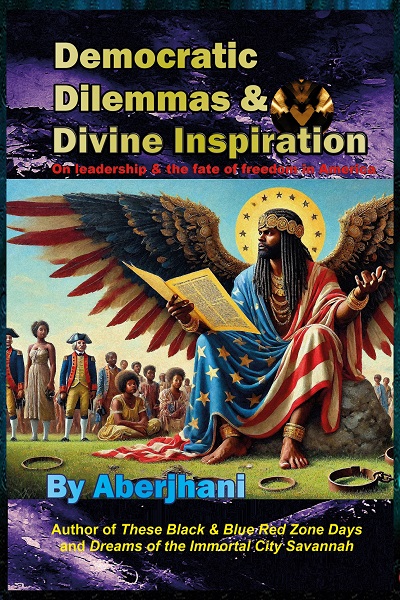
Democratic Dilemmas and Divine Inspiration examines the significance or relevance of the idea that the U.S. Constitution was, as many believe, divinely inspired. How much did that belief matter to founders of the nation and how much does it matter no
Democratic Dilemmas and Divine Inspiration examines the significance or relevance of the idea that the U.S. Constitution was, as many believe, divinely inspired. How much did that belief matter to founders of the nation and how much does it matter no