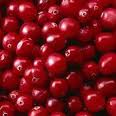
More than 700 cranberry food products help us celebrate the holiday season from Thanksgiving through Christmas. A gourmet smorgasbord of cranberry dishes stretch from soup to dessert!
The cranberry (vaccinium macrocarpon) is unique to the United States, one of only three fruits native to North America; the other two are the Concord grape and the blueberry. Cranberries grow wild in boggy places from Newfoundland, western Ontario, and the northeastern and north central states as far south as North Carolina, Virginia, Ohio, Illinois and Arkansas.
The cranberry shares its history with its native country. Native American tribes had already discovered its food, medicinal and decorative values long before the Europeans arrived. The Pilgrims received the cranberry as a friendship gift from the Wampanoag Indians who called it “ibimi,” meaning bitter berry. The Plymouth colonists changed the name to “crane berries” because the vine’s pink flowers with long stems resembled cranes. Crane berry was also easier for their British tongues to pronounce.
Historians still debate whether cranberries were part of the first Thanksgiving feast in 1621. Nonetheless, they became a popular food with the British colonists. British ships also carried cranberries as a preventive for scurvy. Cranberries were a popular, early export item to England where they brought premium prices in London. They were also sent as a token peace offering to Charles II in 1677 to help mollify his anger over the colonists minting their own coins.
Always resourceful, both the Indians and the settlers found many uses for the fruit and the leaves. A dye from the berries was used for cloth; a diuretic tea was made from the leaves; poultices came from the berries; and an astringent was used to stop bleeding. Cranberry juice is still recommended as a popular remedy for urinary tract ailments.
You can also create popcorn and cranberry strings to decorate outdoor trees and bushes to provide a Thanksgiving and midwinter gourmet treat for birds and wildlife.
For more legends and stories about cranberries, check out Decking the Halls - The Folklore and Traditions of Christmas Plants.