It’s harvest time in my garden, and I’m ready for the fresh taste of summer; succulent, red tomatoes, the size of tennis balls; a palette of green, red, yellow and orange peppers; goose-neck squash; crisp cukes and juicy melons – the list of delights goes on and on . . .
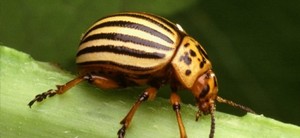
But . . . I’m not the only one harvesting my garden’s bounty. From aphids to worms, there’re salad surfers trying to beat me to the prime pickins. Worms, beetles, turtles and birds like to shop and sample my open-air market produce before I do.
I’m a prude and purist about what goes in the soil, on my plants and eventually into me and my family, so I use herbicides and insecticides only for drastic measures. Here are my eco ideas to get those garden nuisances to bug off:
Hand-picked Bugs
The most eco-friendly way to deal with destructive insects is hand-picking. If there are only a few, pick them off or pinch off the affected foliage. Check under leaves for eggs and webs. Use a craft stick or tongue depressor to gently scrape off bugs that are attached to the plant. Put discarded insects in a pail of hot, soapy water for a final kill.
A strong blast of water from your garden hose will also dislodge unwelcome invaders.
Slugfest
Host a beer party for the slugs. Place a jar lid or shallow saucer ground level and fill with beer – the cheaper the better. Slugs will come to the party, overindulge and drown. Another remedy is shaking table salt on their soft bodies, which makes them disintegrate before your eyes – but that’s a bit cruel.
Beat the Beetles and Squash the Squash Bugs!
Seriously. Place a piece of newspaper or old towel under beetle-infested plants. Use a wooden spoon or small stick to shake or swish the leaves of the plant to dislodge the beetles. Empty the paper or towel in hot, soapy water.
Squash bugs – simple enough – squash ‘em. Another option that I have tried one time with success is to sprinkle flour on plant leaves and around the roots. Voila! Next day – NO BUGS! Definitely worth trying again.
Herbal Tea – FOR BUGS ONLY
Clip leaves from your most aromatic herbs, like sage, rosemary,chives and garlic. Place in a gallon of water in the hot sun for about a week. Strain the leaves from the brew and add 2 tablespoons of liquid soap. Mix and spray on plants affected by aphids, beetles and cabbage loopers.
Plant Collars
To protect new seedlings and small transplants from cutworms, place a small paper collar or paper towel roll (cut to size) around the stem of the plant and extending about 1/2 inch below the soil line. Placing a nail next to the stem of the plant also works.
In the Net
Place a piece of old,clean nylon stocking or plastic mesh from produce loosely around ripening vegetables or fruits that tempt birds, turtles, raccoons and other garden pests. The netting will expand as the fruit grows. To protect small garden areas, drape dark netting loosely over plants.
Hair Today – Pest Repellent Tomorrow
Scatter human or dog hair loosely around your plants to deter deer, raccoons and other rodents.
Chicken Tractor
If you live in a rural area or if your city allows chickens within the city limits, create a chicken tractor to cultivate the soil, provide fertilizer and gobble up insects. The “tractor” is actually a mobile coop with no bottom, which can be moved from area to area as needed.
BFF – Plants – aka Best Friend Forever Plants
Also known as companion plants to many gardeners, these plants complement each other with benefits like producing pollen that attracts good insects or scents that repel the bad ones. They also improve the growth, flavor and general health of their companion plants. Herbs are especially good companiaon plants because of their aromas. Check thevegetablegarden.info/ for compatibility lists.
Mosquito Madness
No, mosquitos won’t damage your plants, but they will annoy you when you’re trying to enjoy time in the garden. The best solution is prevention. Get rid of standing water, their preferred breeding areas. Use pet and fish-friendly mosquito tablets in water gardens. Some sources recommend carrying a square of dryer sheets or rubbing leaves of herbs on your skin to repel mosquitoes. Note: To relieve the itch of a mosquito bite while in the garden, put a small dab of mud on the bite until you can clean and treat the bite.
Good Garden Hygiene
Prevention is the best strategy for controlling insect populations in your garden. Keep diseased or insect-infested plants out of the compost bin. Mulch, mulch, mulch – it helps keep the incidence of insects and other garden intruders down. Encourage the good guys – bees, lady bugs, praying mantises, dragon flies, earthworms toads and frogs – to visit or take up residence in your garden with rich, healthy soil, a water source and a variety of pollinator plants.
For more eco-friendly and entertaining pest control ideas, check out Sharon Lovejoy’s book Trowel and Error.