
Wheatgrass is a healthy super food that has been used traditionally in cultures around the world. This
article offers the many uses for wheatgrass, especially for its juice. And it gives complete instructions for growing your own wheatgrass.
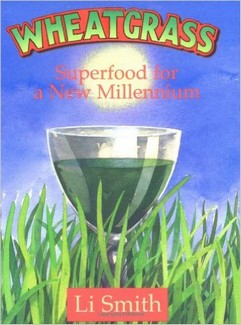
Farmers in ancient Egypt knew all about the benefits of wheatgrass crops. They regarded the crops as sacred, and so did the citizens of ancient Mesopotamia and Greece. Now, centuries later, research scientists and medical doctors are praising its disease-fighting, age-defying properties. Wheatgrass juice has become the "trendy" new way to keep illness and old age at bay. There is a strong commercial potential in the small scale growing of wheatgrass. It is grown on a large scale in the United States in special growing sheds with controlled lighting and other desired conditions. It can also be grown hydroponically (without soil). Many health shops would welcome a regular supply of fresh wheatgrass. Scientists in America first started studying grasses in the 1930's in an effort to improve the nutrition of animal feed. It was found that wheatgrass provided impressive amounts of nutrition and that animals fed on this young grass gained weight faster and were free of common health problems. Among the pioneers who have propagated the use of wheatgrass for rebuilding nutritional health in humans is Dr. Ann Wigmore, who started the Hippocrates Health Institute in Boston, MA in 1956. Since then, many notable doctors and research scientists have given wheatgrass the 'green light' for its ability to improve health. Young wheatgrass shoots are extremely vital. Wheatgrass is a complete whole food with enzymes, amino acids, phytochemicals, vitamins and chlorophyll working in perfect harmony to help rid the body of toxins and creating overall good health. Wheatgrass juice is made from the young blades of the wheat plant. It can be expressed in a wheatgrass juicer, or the grass can be blended in a liquidiser with purified water (raw honey, edible flowers, etc. are optional) and strained to make a refreshing, nutritional drink. And it is not only the juice that makes wheatgrass worth its title of "green gold". Derivatives of wheat are currently being used in many leading cosmetic houses because of their antioxidant and vitamin E properties. These and other properties in wheat, and especially in wheatgrass, are powerful allies in the fight against ageing skin. Wheatgrass is a superbly gentle skin cleanser and also a wonderful toner. When applied regularly on to the skin, it will eventually fade blemishes and sunspots. It stimulates the growth of healthy, new skin and 'tightens' older skin. It is absorbed easily and quickly by the skin, leaving it feeling silky-smooth and glowing. Wheatgrass pulp, which is the residue after juicing, can be used as a topical application. Simply rub it on the body and leave it on for 20 minutes or so before you take a shower. The pulp contains many excellent anti-radiation and anti-inflammatory properties. In my many years of experience with wheatgrass, I have witnessed the dramatic healing of many skin conditions, including the soothing and healing of sunburn, radiated skin, dry skin conditions and the healing of wounds. It also aids in the healing of gum problems (pyorrhoea) by stimulating and regenerating diseased tissue. It is not advisable to try this after surgery when it could stimulate the blood flow into the area. As much as 60% or more of wheatgrass material may be absorbed by the skin. Fresh wheatgrass has a higher medicinal value than in the dried form, because enzymes and other vital nutrients are still intact. Enzymes, which are biological catalysts that help regulate bodily activities such as cell rejuvenation, are very dynamic in wheatgrass after seven days of growth. Wheatgrass - what is it? Wheatgrass is sprouted wheat kernels that have been allowed to grow to the height of six inches or more, usually for seven to fourteen days (depending on warmth), either indoors or outdoors in trays or in the open ground. When the grass has reached its optimal level of growth, it can be juiced, frozen, dried or made into a tincture. When wheatgrass is cut down to the roots for its juice or for the pulp, the mat with its developed root system can be used to promote the fertility of the soil in any part of the garden. With proper planning and some basic equipment, most people can grow wheatgrass. How to grow WheatgrassYou will need: Sixteen standard seed trays with holes at the bottom (A5 size) One lb. of whole-wheat kernels, preferably organic Organic compost Two large black refuse bags or plastic sheeting Board, e.g. masonite (to cover trays) Place the whole wheat kernels in a sieve and wash under running tap. Turn into a glass bowl and cover with purified water. Cover the bowl and leave to soak for approximately twelve to fourteen hours. Place the trays snugly together in a unit of four rows containing four seed trays. Half-fill the trays with compost and place one handful of the soaked seeds onto each tray. Spread the seeds out gently so that they just touch, not overlap. Mist or spray. Cover the top of the seed trays with the refuse bags or plastic sheeting, and place the board on top. Keep the seeds covered for two to three days until the shoots start to come out. The trays can now be placed in a protected light or shady spot. The sun chlorophyllates the emerging blades and fills them with healing energy. The wheatgrass is ready to harvest in five or six days in summer and somewhat longer in winter. Tasty, refreshing Drinks A harmonious mix of herbs, flowers and honey can convert wheatgrass into the champagne of raw food drinks. For this you need a blender. Summer Tonic (serves four to six)Ingredients One tray wheatgrass, cut down to the roots and washed One tablespoon raw honey Edible flowers and herbs that you may have available: Four gota kola leaves Six to eight rosemary flowers Four to six pineapple sage blooms Two to three sprigs peppermint Two to three sprigs thyme One chunk ginger, peeled and chopped Two pints purified water or natural spring water Blend together all the above ingredients and strain into a jug. Due to the oxidation process blended wheatgrass will produce a frothy 'head'. It is safe to drink. If this is the first time you are drinking wheatgrass juice, limit your intake to 1/8 of a tray of wheatgrass. Increase your intake gradually. Rejuvelac Rejuvelac can be made as a by-product of growing wheatgrass. When wheat kernels are left to soak, a fermentation occurs which produces natural enzymes and lactic acid. Dr. Kuhl, a German researcher, says "Lactic acid destroys harmful intestinal bacteria and contributes to the better digestion and assimilation of nutrients. Fermented foods can be considered pre-digested foods. They are easily metabolised, even by persons with weak digestive organs. Fermented foods cleanse the intestinal tract and provide a proper environment for the body's own vitamin production within the intestine. They also help a person with constipation problems." Rejuvelac contains protein, phosphates, lactobacilli and asperigillus oryzae from which amylases are derivatives. Great for the digestion and for rebuilding the intestinal flora! It also contains large amounts of B vitamins. This article is adapted from Li Smith's book,Wheatgrass: Superfood for a New Millennium. It is available from www.amazon. com, or www.vitalhealth.net.
|





Regis
Gina