A children's author offers some tips on improving your fiction
Begin with a great start. Grab the reader from the first sentence. You have an editor's attention for a matter of minutes (maybe) before she moves on to the next slush pile story. Start with gusto. Bam! Wham! Kapowy! Just like in the old Batman TV show make sure your audiences can feel, see, and hear the action. Start with a problem or intriguing dialogue. Read some of the opening lines or first pages of stories that you like or stories that have become children's classics or best sellers. Study and perfect the art of a good beginning.
Let your characters do the talking. Provide them with realistic voices. Interesting voices. Voices that the reader wants to hear more of. Voices that move the story along. Voices that reveal the character. Don't dilly-dally around with small talk. That's for everyday stuff in the real world but not in fiction. Create drama with dialogue. Show the characters emotions and opinions. Mix the dialogue with action, creating rhythm in your story, and using body language to further reveal your character. People are more likely to form their opinions of someone from what they do rather than what they say. The same applies to your story characters. Visualize each scene as though the characters are performing on a stage before you. Simply take down notes as they move and speak. Watch closely for their facial expressions, shoulder shrugs, sighs, raised eyebrows, glares, tapping foot. Write these into your story to create an amazing mix of dialogue and action. Think of creating a symphony. You must orchestrate all the various mix of instruments.
Revel in the tension. Don't rush through the really exciting parts of your story. And for the reverse, don't drag out less thrilling but substantial sections. Make them as tight and thoughtful as possible; then move on to the fun stuff. Slow down the important scenes. Pretend you've pushed the slow-motion button on your recorder. Study each action in great detail and write it down in clipped, fast-paced sentences. Power-packed with emotion. Strong verbs and nouns, few adjectives and adverbs. Make the scene even more suspenseful by compacting the time frame needed for the hero to accomplish the goal. Hear the clock ticking in your head. Feel the tension down into your fingers. Then let them type away.
Write in a rush. Initially, while the idea is hot and the scene is flowing, write without looking back. Feel the need to rush on. To reach the finish line. Take deep breaths. Listen to some mind-enhancing alpha brainwave music like Mozart selections. Don't let your inner critic come out to play during this writing phase. I find it's helpful to let this story concoction rest for a while before coming back for serious editing. Depending on the length and complexity of the story, the down time may vary from a day or two to perhaps weeks or even longer.
Edit with determination. Believe in the story that you've written. But believe that it can always be better. Read it out loud. Listen to the music of it. If you can't hear a beat, then you haven't written it in yet. Look for the strong foundation of story elements: plot, setting, characters. Beef them up with subtle word shifts and tight editing. Paint colorful character strokes, especially with the main character and supporting characters. Expand your palette and your painting techniques for each new story. The reader should feel he knows enough about each character to like or dislike them. The characters should be real enough that the reader almost feels as though he is a part of the story, too. Then read your work like a copy editor. Line by line. Letter by letter. Correct the typos and punctuation errors. The more professional looking your story is the more believable it is for an editor.
Read! Read! Read! Probably the most important thing you can do to improve your writing is to read. Read great stories like you want to write. Read some stories that aren't that good. Study the differences. Why did one work and not the other? Read a variety of works by a variety of authors. Expose yourself to different writing styles and genres. Reading poems is a great way for me to loosen my writing and help generate ideas. Reading nonfiction often leads to ideas for fiction stories as well. Read the newspaper and adult magazines for a wealth of ideas. Keep a record of what you read and who publishes it. This way you can refer back to your notes when trying to remember which publishing house likes romantic picture books or which one walks the line with edgy stories. Is there a pattern to what they like to print or what a particular editor likes to work on? Or which writer crosses the boundaries between picture books and young adult. How does she do it? Read. Study. Read. The only way to be a writer is to be a reader first.
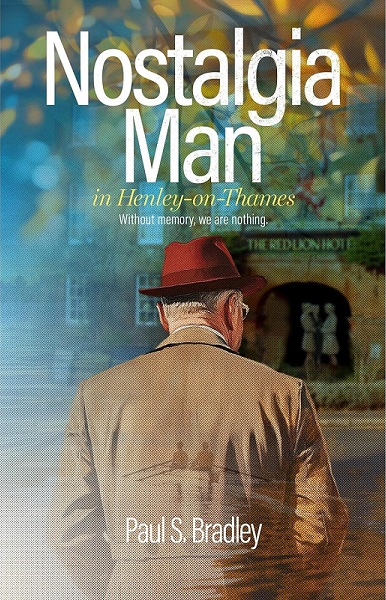
Determined to confront the hazy memories of his troubled youth, Oliver Matthews, a retired detective and confirmed bachelor, returns to the picturesque town of Henley-on-Thames for the first time in years.
A teenage boy struggling with the coming-of-age issues of sexuality, religion, and peer approval is overwhelmed, but soldiers on. After several years, he comes to understand the family forces that have left him so deeply troubled, and the process of
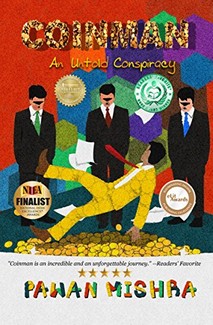
In this eccentric tale set in a small town in northern India, Pawan Mishra masterfully weaves ingenuity and sarcasm in a manner that’s simultaneously hilarious and tragic.