AuthorsDen.com   Join | Login    
Where Authors and Readers come together!

SIGNED BOOKS    AUTHORS    BOOKS    SAMPLE CHAPTERS    AUDIOBOOKS    eBOOKS    STORIES    ARTICLES    POETRY    BLOGS    NEWS    VIDEOS    SUCCESS    TESTIMONIALS

Featured Authors:  Lloydene Hill, iWilliam Manchee, iEmmanuel Laroche, iElisabeth Barstowe, iBob mitchley #shock stories, iMargaret Evans, iJames Hill, iJay Dubya, iTeresa Walker, iEdie Batstone, i

  Home > Parenting > Articles Popular: Books, Stories, Articles, Poetry      Authors: A B C D E F G H I J K L M N O P Q R S T U V W X Y Z     

James L. Beverly

 Follow Me  

· Contact Me
· Books
· Articles
· Poetry
· News
· Blog
· 21 Titles
· 8 Reviews
· Save to My Library
· Share with Friends!
·
Member Since: Mar, 2008

James L. Beverly, click here to update your pages on AuthorsDen.


How to Handle an Angry Child
by James L. Beverly   
Rated "G" by the Author.
     
Recent articles by
James L. Beverly

• Thoughts on eBooks
• Consequences of Intermittent Reinforcement
• Lessons From A Book Signing
• Lessons from Children for the New Year
• Storytelling: A Wonderful Learning Tool
           >> View all

Effective ways of managing anger outbursts in children

Children and Anger
 
As children grow up and mature, they tend to express their anger in different ways. When young children become angry, they usually scream or throw a tantrum. If the situation permits it, ignoring this sort of behavior is usually the best approach. This tends to deny the child the attention that he/she is seeking and the child will learn that this behavior does not get them whatever it was that they wanted.
 
As the child grows older, the anger is usually expressed in very directed and often hurtful ways. “I hate you!” is a good example of this highly directed anger. How should a parent react to such statements? First of all, remember that the child has a need to express his or her feelings just like you do - and because they are still learning, they tend to express it in highly exaggerated ways. Keep this in mind and try not to take it personally (I know that is hard to do sometimes!)
 
A good response to such a statement is, “Well, I love you anyway” followed by the directive to do whatever the child is trying to avoid. An example would be, “Well, I love you anyway – but you still need to clean your room.” Never change the rule or directive because the child made an angry statement. To do so is to almost guarantee a repeat performance the next time the child wants to avoid something that you asked them to do.
 
If the child threatens to run away, a good response is simply, “That would make me very sad.” – and then drop the subject. Most children will also drop the subject at that point.
 
Later when the situation is calmer, you should discuss anger with your child in a safe and non-threatening manner. Explain how people that live together sometimes have both good and bad feelings about the other person. Always add into the conversation the fact that “Sometimes I get angry with you – but I always love and care about you.”
 
As the child gets older, they usually become masters of trying to put a “guilt trip” on the parent in order to get their way. “If you loved me…..” - or -“You don’t love me” are typical examples. A good response to these accusations would be, “Of course I love you – but that doesn’t have anything to do with this!” Again, stick with the consequences and never change the rule.
 
Many adults tend to treat children as miniature adults and forget that effectively expressing anger and other emotions is a learned skill that every child must learn. It takes some practice. Always keep that in mind. We probably all know many adults that are still working on getting it right!
 
With a little patience and practice, you can weather these “anger storms” of childhood and not let these learning episodes become more upsetting than necessary.


Want to review or comment on this article?


Need a FREE Reader Membership?
Popular Parenting Articles
  1.  Co-parenting Before Divorce
  2.  The Sacred Child
  3.  Rugged Tracks
  4.  Taking Care of Mama - Remembering Six
  5.  Adoption: Not The Solution To Infertil
  6.  A Child Lost forever: A Death in Whi
  7.  Narcissistic Mothers and Their Childre
  8.  Guiding Teenagers To Positive Identity
  9.  The Do's and Don't of Raising A Disabl
  10.  The Natural World: The Forgotten Famil
  11.  Dreams: Our Children’s "Inner Theater"
  12.  First Lesson of the School Year: Just

Free Book Review Program
Select a book to read and review today!

The Single Dad's Survival Guide by Mike Klumpp

You May Be Single, But You’re Not Alone. Being a great dad is challenging enough when you’re part of a two-person team. But now you’re raising your kids single-handedly. How can you provide the emotional, physical, and spiritual support your  
Member BookAds

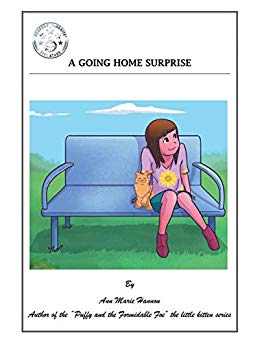
A Going Home Surprise by Ann Marie Hannon

When Kathy finds a small stray kitten some amazing things happen. Story's from a Mom's view of the love, caring and patience needed when a child wants to own a pet. Recipient of the prestigious Mom's Choice Award. Delightful illustrations!  
Member BookAds

The Single Dad's Survival Guide by Mike Klumpp

You May Be Single, But You’re Not Alone. Being a great dad is challenging enough when you’re part of a two-person team. But now you’re raising your kids single-handedly. How can you provide the emotional, physical, and spiritual support your  
Member BookAds