[image: wikipedia.com]
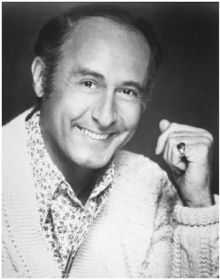
Henry Mancini: Liberator of Bodies, Minds, and Souls
Henry Mancini was such a talented musician, composer, and arranger that it is difficult to put into words the extent of his achievements and the respect his fellow musicians had for him. But it can be summarized in an observation that occurred long ago. He once appeared on the Lawrence Welk Show (yeah, I watched it from time to time). During that show Lawrence made the “mistake” of handing Henry the maestro’s baton and asked him if he would like to lead his orchestra. Henry accepted. He quietly summoned them with a wave of the baton, and they began to play. I don’t recall what they played, only how they played. Suddenly, they came alive, and they performed far better than I had ever heard them play before. When it was over, Lawrence came running out, looked at Henry, then into the cameras and asked while trying to conceal his envy with a broad smile. He said: “Henry. Why does my orchestra play so much better for you than they do for me?”
In a word, the answer was “respect.” Henry Mancini commanded it without saying a word, without demanding anything. The orchestra knew they were playing under the direction of one of the most talented musicians who ever wielded a baton. By the looks on their faces they would rather have dropped dead than not to have risen to the moment and put forth the performance of their lives.
I saw the same outcome perhaps 40 years later when a personal friend tapped his baton and his band began to play. Every member’s attention was riveted on this leader, and they played flawlessly. They were all retired musicians, playing for the sheer joy of doing so. Although they had all performed thousands of times, when this musician stepped to the front, the players all focused on him like laser beams. And they were a joy to see and hear. Talent rises; the best rises to new heights.
Henry is associated in many minds as the composer of Moon River and the Days of Wine and Roses, both academy award-winning compositions. Without a doubt both are stunningly beautiful orchestral compositions. But he also gave us the theme from Hawaii, the Pink Panther, Dear Heart, Breakfast at Tiffany’s, the theme from Romeo and Juliet, Love Story, the theme from Charlie’s Angels, theme from Thornbirds, and many more. He won virtually every award in the field of music. It wasn’t so much that every thing he touched turned to gold, rather that every note that flowed from his mind and soul came from a place that very few musicians will ever know about. Henry and music were made for each other. Together they were magic.
Henry was the son of Italian immigrants who learned his craft the hard way—with a piccolo. He served in WWII, and helped to liberate the Mauthausen--Gusen concentration camp in southern Germany. How appropriate that this gentle man would spend the rest of his life liberating our minds and souls by giving us the gift of music--at its best.
|


Very nice tribute to Henry Mancini, Ed. Was reminded of some of his wonderful compositions and, in my opinion, was reminded of how great writing is more closely related to music than to any other art form. E.B. White said that every serious writer must be aware of the sound his words make on paper. Pretty sound advice!
In the third paragraph, am I right in thinking that Henry Mancini was a personal friend of yours, directing an orchestra of retired musicians?
Ron
Love ya!
Jane
John