It’s Time to Start Planning for a Large Scale
Economic Standstill
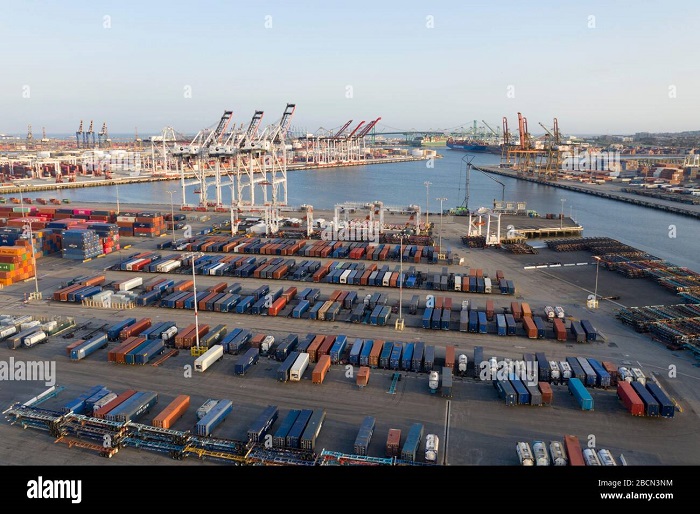
This is a call for reason among high-level decision-makers everywhere. It’s difficult to predict the total economic landscape when chaos is rampant. But the period from July 2025 until January 2027 could be among the worst in world economic history unless a few members of the Heritage Foundation have both a change of heart and intellect. It will also take changes inside the Trump administration and in Congress for members to become acutely aware that worldwide tariffs can and will cause supply chain shortages that can bring trade to a virtual standstill. World residents likely will be awakened to a cause that could become pure hell. Politically, the elections of 2026 will quickly favor Democrats. But if history is any guide, it could take 10 years for the world to recover from an economic standstill linked to the absence of trade.
* * * *
Inflation will be rising soon. That is a certainty with many tariffs due to kick in by about July 1, 2025. If your wage is linked to the Consumer Price Index (CPI-U), it will rise roughly according to that index. But those whose wages are not tied to the CPI-U will have less and less income just as they need more and more to avoid sinking into an economic quagmire.
Here are the most likely outcomes:
• Higher Prices for Consumers: Tariffs increase costs for imported goods, making them more expensive for businesses and consumers alike. This will lead to inflation if essential products are affected.
• Retaliatory Tariffs: When one country imposes tariffs, the others often retaliate with their own, escalating the economic standoff. This can hurt industries reliant on exports
• Disruptions in Supply Chains: Businesses accustomed to cheaper foreign supplies might struggle to find alternatives, leading to delays, inefficiencies, and increased production costs.
• Impact on Jobs & Industries: Some domestic industries may benefit from reduced foreign competition, but others—especially those dependent on exports—will suffer from decreased demand abroad.
• Market Volatility: Financial markets react negatively to trade uncertainty, causing fluctuations in stock prices and investor confidence.
• Strained International Relations: Beyond economics, trade wars can erode diplomatic relationships, making collaboration on other global issues more difficult.
This is no time to "go along to get along." While some may argue that tariffs protect local industries, the broader impact can be unpredictable and often leads to many unintended economic consequences. One thing is for certain: No-one today remembers the events leading up to the Great Depression, especially not Donald Trump, members of Congress, nor the Heritage Foundation. They seem to be a lot more intent on moving large sums of money from the lower end of the wealth and income curves to those at the top.




Rebecca