Epilepsy affects millions of people worldwide, with more than two million people in the United States suffering from the disorder.
It is estimated that epilepsy occurs ten times more frequently than multiple sclerosis and 100 times more often than the motornueron disease. Statistics show that one out of twenty people will have at least one epileptic seizure once in his or her life. One out of 200 will ultimately develop full-blown epilepsy. According to the Epilepsy Foundation of America the causes of 70 % of all cases of epilepsy are unknown. Individuals of all ages suffer from epilepsy and seizures. Epileptics are not the only ones who suffer, family and friends also suffer. How would you feel if you walked into the house to find the one you loved or felt close to on the floor with their eyes rolled back and their body shaking uncontrollably? It’s something you don’t want to experience. These individuals are yearning to learn more about the disorder that is disrupting their life and they are unable to do it because most existing books on the market approach the subject from the physician’s point of view. There is little emphasis made on showing epileptics that changes can be made to live positively with epilepsy.
thanks to people like yourself, stacey, people will learn about epilepsy. keep on teaching, and let's break down the barriers together! (i live with disability, myself; not epilepsy, but arthritis and also vision/hearing deficits.)
well done!
(((HUGS))) and much love, your friend in tx., karen lynn. :D
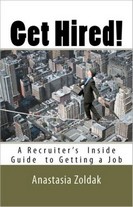
Former employment recruiter Anastasia Zoldak has written Get Hired! A Recruiter's Inside Guide to Getting a Job to help people obtain a competitive edge in today's job market.
My Georgia Journal helps readers spark their interest with historical trivia and tidbits about Georgia. It’s an interactive journal designed to nurture creativity and self-motivation.
The second portion features one side for drawings, sketches, o



well done!
(((HUGS))) and much love, your friend in tx., karen lynn. :D