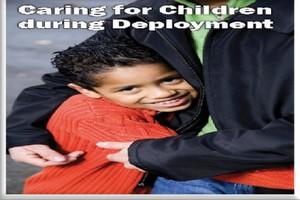
DEPLOYMENT
The Most Important information
You Must Learn
In Order to Help Your Child Cope With Deployment
Learn How You Can Help Your Child Cope with Deployment
“Learn How to Teach Your Child Different Coping Strategies to Survive the Stress and Hardships of Deployment”
Did You Know…?
Deployments are extremely difficult for children. The soldier is suffering inside trying to say goodbye. They are trying not to show the pain they feel inside. The spouse is hurting inside as well as they share their last kiss before they see each other again. Most of all the child in that family has to say goodbye with the fear that something could happen to their mommy or daddy and the stress (separation anxiety) of having to be separated for long periods at a time from their parent. It is hard because no one knows when they will see each other again.
Dealing with Military Emotions
One of the biggest problems military families have is dealing with their feelings. Children are the ones who suffer the most because they often do not know how to handle all the changes and fears. Luckily, there are things we can do to help and support them during these tough times.
How Children Respond to Stress
Families who have experienced deployment before will tell you that their kids sometimes seem a bit agitated and impatient, often moody, and occasionally unbearable to live with – they feel like their hair is standing straight up in the air caused by the stress their kids are giving them due to the unmanageable behavior. It is important to remember that these behaviors are often the way children express depressing such as:
· Fear
· Worrying
· Anxiety
· Loneliness
Children show us how they are feeling by their actions more than their words so we must pay careful attention to body language and behavior. While parents need not to allow unacceptable behavior, simply punishing these behaviors will not stop them and may actually cause them to repress them and cause emotional problems that can cause them to become worse off than they are right now.
What Should You do to Help Your Kids
There is no way to avoid it, families will change when someone deploys. Routines change and the mood and frame of mind of the parent will change too. Below are some strategies that will help your child so the transition is not as stressful.
· Stability and Routine - Above all else, kids need routine, consistency, stability, and structure during this time. They are feeling insecure because of all of the uncertainties regarding the deployment and they need a predictable routine and home life.
· Good Communication – Kids often have many questions during deployment. Daily, honest (yet age appropriate) talks about feelings about how they feel and about how you feel can help reduce stress and help you and your child cope with any issues you are experiencing.
· Focus On Your Children And On The Positive - This is a great time to plan special events and start new hobbies. Children can feel neglected during deployments because one parent is gone and the other parent can is busy and stressed. Children should have many opportunities to feel loved and special during the deployment.
· Healthy Lifestyle - Not only do children need to have experience a lot of fun in their lives, but also they need to be healthy. They should maintain healthy diets, have opportunities for exercise (sports, biking, walking with their parent) and not spend all their time in front of the TV or Xbox.
· Let You Kids Be Kids: Not Adults - Do not discuss your fears in depth with them and do not expect them to take the place of your spouse. Also, be careful about how much exposure your child has to the news. The News can be very scary and cause your child to develop unnecessary fears and worries.
· Encouragement and Assurance – In deployment situations children often feel a loss of control and stability; they have experienced a major change and could do nothing to prevent it from occurring. Reminding them that you will always love them no matter what and that you will survive this deployment together will help ease their anxiety.
· Reward Their Good Behavior - While it is important to understand that misbehavior during deployment can be a result of negative feelings, it is also important to set limits and have consequences. Parents can eliminate many problems by making a chart and pre-determining consequences for specific behaviors. For example, if you do not put your bike away you will lose bike privileges for one day. Parents can also set up good behavior reward programs such as sticker charts posted on the fridge or marble jars.
· Communication and Expressions of Love – Hugs, High Fives, and a bunch of “I love you” go a long way in helping children cope with the difficulties of deployment.
Tips: Activities You Can Do With Your Kids
There are many simple things a parent at home can do to have fun with their children and make this time while your spouse is deployed a memorable experience. Here are some examples:
· Have Family Fun Nights – Have each child take turns selecting an activity
· Dinner Night - Take turns planning dinners for each other
· The Countdown - Keep a family timeline during the deployment on a large piece of paper taped on the wall (Give them something to look forward to)
· Hollywood at Home - Make a video of the family during deployment. Plan, edit, and create it just like a movie
· Game Competitions - Have board game tournaments
· Make Memories to Cherish - Keep a scrapbook
· Buy a mini-tape recorder and record messages to the deployed parent - Make sure they have a recorder too so they can send messages back.
· Fun day Activities - Check out a copy of the Guinness Book of World records and try to beat some of the records.
· Travel Time - Draw a circle on a map with an eighty-mile radius from your house. Pick a new place to explore within that circle each weekend. Plan some fun inexpensive trips
· Dance Your Pants Off Day - Teach your kids to boogie
Two Other Helpful Tips
· Journaling - Journaling can be one of the most effective ways to help kids handle deployment. It allows them to explore and learn about themselves in a personal way. According to research done by the American Psychologists Association, journaling increases mental and physical health and is a very effective way to turn angry and confused feelings in to clear thoughts.
· Parents - According to Karen Pavlicin, author of Surviving Deployment: A guide for military families, it is also important for parents to take care of themselves so that they may take better care of their children. "It's like the safety instructions you get on an airline," says Pavlicin. "Secure your own mask before assisting others." That means getting plenty of exercise, sleep, and healthy food. Your lives are already in such chaos from all the changes in a deployment, establishing a daily routine to ensure you get the basics can go a long way toward keeping yourself and your kids less stressed.
Sometimes parents struggle with this and find themselves taking out their frustrations on their children. If you ever find yourself doing this, it is important to understand you are not alone and you must seek help. Contact your family services center, key volunteer, or ombudsman for guidance. Helping kids through a deployment is a challenge but it does not have to be unbearable. Having a plan, sharing feelings, enjoying special times, and enlisting the help of family, friends, and support services will make things easier on your child and you!