I’m a Slow Learner
By John DeDakis
You’ve heard of a person who’s a “quick study.” When it comes to life, I’m a slow learner. This is especially true when it comes to navigating grief and loss. Maybe you can relate.
Come to think of it, I’m a slow reader and a slow writer, too. I’ve long been envious of those who seem to “get it” so effortlessly. I know I’m not alone in feeling this way—impostor syndrome is everywhere. And yet I’ve learned—slowwwly—that impostor syndrome is a trap. And though that way of thinking contains elements of truth, it’s a lie. A lie we tell ourselves so frequently that we come to believe it.
Let’s go back to grief and loss. We have all experienced it to one degree or another. It need not be the loss of a loved one. It can be the loss of a pet, a job, a relationship, our innocence, or our health. No matter what the loss is, it’s painful. You already know that. The trick is how do we deal with it?
In my case, it’s been what I’ll call The Slow Learn.
When you’ve lived as long as I have (six decades and counting), the losses add up. The first profound one was the suicide of my sister Georgia in 1980. Not long after she succumbed to carbon monoxide poisoning, I was on the scene cupping her cold hand in my two warm ones.
At the time, someone suggested to me, “Move toward the pain.” I had no idea what that meant. It certainly didn’t make sense. Why would anyone want to hurt in such an emotionally and psychologically excruciating way? No grief counseling for me, thank you very much.
And yet fourteen years later (did I mention I’m a slow learner?) I instinctively moved toward the pain when I began writing what would be my first novel, Fast Track, about a young woman who solves the mystery of the car accident that orphaned her. The first chapter is ripped from reality, the day Georgia took her life.
Seventeen years and three novels later, in 2011, my youngest son, Stephen, 22, would die of an accidental heroin overdose. Again, I was on the scene in the rain, keeping vigil on the other side of the yellow crime scene tape. A tarp covered the driver’s side window of my car, where Steve sat slumped against the steering wheel. He’d been missing for a week before someone found him dead, parked next to a light pole containing a meaningless Neighborhood Watch sign.
This time, I decided grief counseling might be a good idea.
It was.
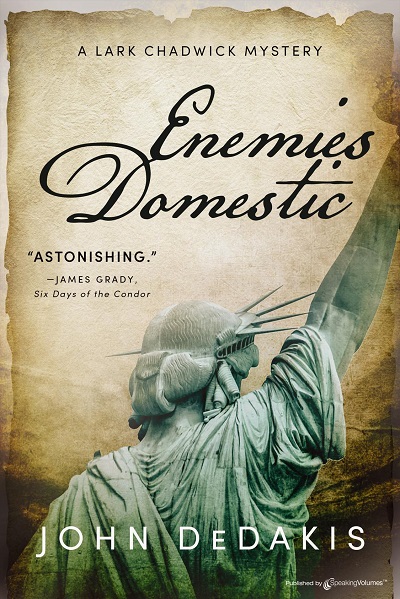
During the next two and a half years of counseling, I slowly learned a lot about myself. And I learned that moving toward the pain is a wise thing to do. So, I wrote Bullet in the Chamber, the fourth book in my Lark Chadwick mystery-suspense-thriller series. In Bullet, Lark is a White House correspondent dealing with an attack on the Executive Mansion at the same time someone she loves is battling drug addiction.
Yes. I write as a twenty-something young woman when I’m neither. Why do I write a protagonist who’s a young woman? I wouldn’t learn the answer to that question until I’d been out of grief counseling for a year. Subconsciously, I discovered, I’ve created a character I wish my sister, Georgia, had allowed herself to become. Georgia could have been a concert pianist or a surgeon, but she gave up her dreams when her husband disparaged them. Unlike Georgia, Lark doesn’t let herself be defined by some guy.
Now, after twenty years and six books, I’ve finally learned that I’ve been processing my grief through my storytelling. Who knew? I may be a slow learner, but I’m learning. And now I’m teaching others how to learn those lessons for themselves by using writing to heal from their own life losses.
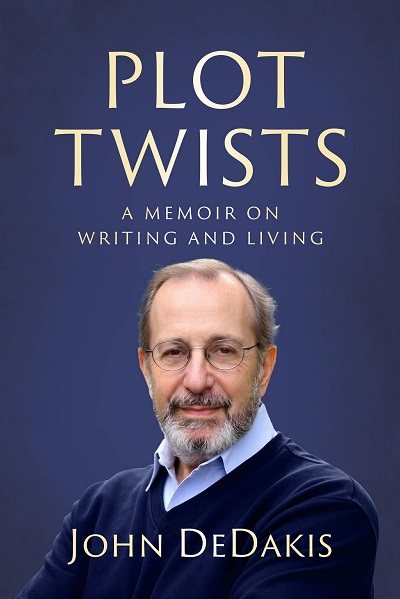
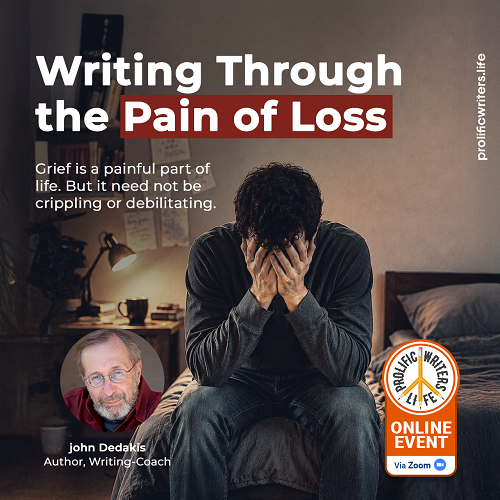
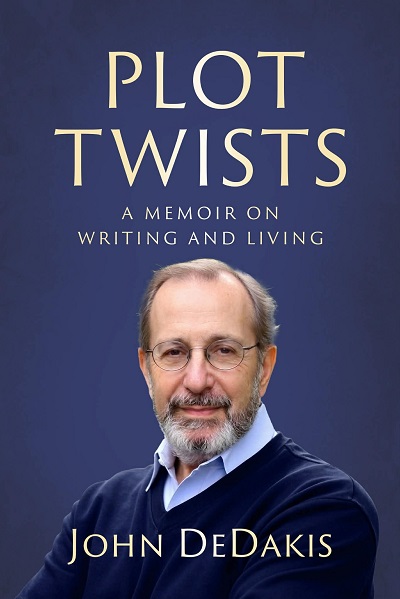
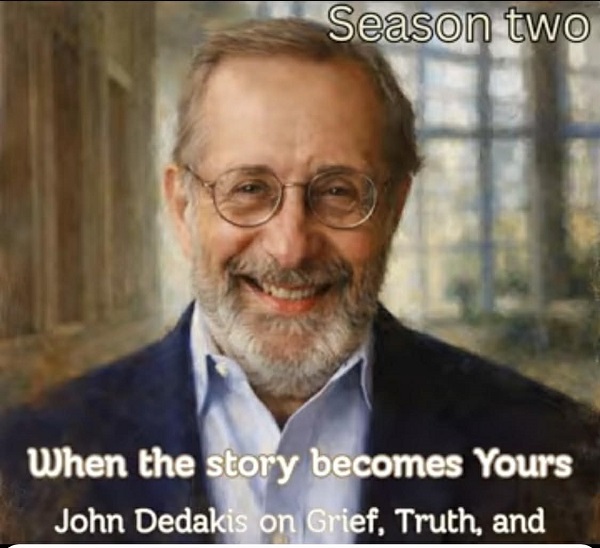
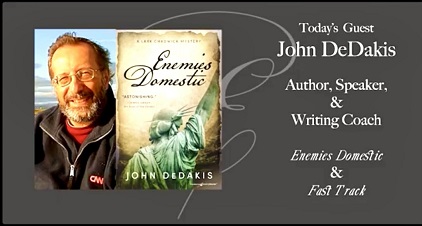
Award-winning novelist, writing coach, and manuscript editor John DeDakis is a former editor on CNN's "The Situation Room with Wolf Blitzer." DeDakis is the author of six mystery-suspense-thriller novels. DeDakis, a former White House correspondent, regularly leads writing workshops at literary centers and writers’ conferences. His next book, Plot Twists: A Memoir on Writing and Living, will be published this year by Speaking Volumes Publishing. John will host a 6-week online workshop, “Writing Through the Pain of Loss,” sponsored by Prolific Writers Life, beginning Tuesday, September 1, at 7 p.m. Eastern. Hear John’s interview about writing and healing on the “Don’t Forget to Breathe” podcast.
Website: www.johndedakis.com