This novel is a carefully woven escapade that brings together the elite Russian spy squad of Mr. Zavert, Boris Gila, Alexei Aleksandra and Ivan Viznapu as they start on a dangerous mission that brings them into contact with the gangsters Mickey Cohen and Johnny Stompanato, the billionaire Howard Hughes, the producer/director Dick Powell, the actress Susan Hayward, countless others, and of course the big man himself - John Wayne.
At first, Sam Moffie’s To Kill the Duke seems like a story about the Russian Communist assassination of John (Duke) Wayne, however the twists and turns of the plot leave the reader shocked and contemplating the truth about the American Government during the Cold War.
The story is driven by the communists’ plan to assassinate the Duke, but in the end, the plan changes when the communists become aware of America’s self destruction due to the nuclear fallout. Moffie skillfully splits the story line between Howard Hughes and the production of his latest movie, drawing attention to his movie production company, including Dick Powell and John Wayne, and a group of Russian assassins, Ivan Viznapu, Boris Gila, and Alexei Aleksandra, commanded by Joseph Stalin, and later, Mr. Zavert, to murder actor John Wayne-the ultimate American icon. The portrayal of the “picture” production age in the 1950’s is impeccable, inviting readers to completely immerse themselves in the characters and the conflicts they encounter as movie makers. Moffie depicts the Russian Communist era with equal precision. He manages to mesh the two worlds when Viznapu and Aleksandra come to America as spies and start a movie business in order to develop a plan to assassinate John Wayne. It is interesting to see them adapt to American culture, and begin to desire money above anything else. Moffie delivers the plot with humor, making the reader not only want to keep reading to come to know the destiny of the main characters, but also laugh. The characters’ dialogue is witty, and it is enjoyable to listen in on their conversations throughout the book. The plot is driven by the irony of the communists’ desire to attack America and the fact that America is attacking itself by testing nuclear weapons on American soil.
One of the most memorable scenes of the book is when communist soldier Ivan Viznapu, who is assigned as the movie projectionist for the Russian commanders, runs into Joseph Stalin. Moffie pulls the reader in close: so close that we are pulled into a restroom with Stalin. A moment so private, I was immediately drawn in. I almost felt like a spy myself and it made me nervous about what Stalin would do to Viznapu, but also made me laugh out loud because of the situation and their conversation. That scene could have been a flop, but Moffie handles it with precise dialogue. It is a very unique scene and I will not soon forget it.
Moffie’s handles dialogue with precision but he is a bit repetitive. There are a few places in the book that made me stop and wonder why he informs the reader about something again, either through dialogue or exposition, even though the reader is already aware of the information presented. For example, on page 221:
“How did he ‘figure out’ something was happening?” questioned Ivan.
“I didn’t take time out to ask him,” Alexei said sarcastically.
“Boy, are you getting sarcastic,” noted Ivan.
I wasn’t sure if Moffie was trying to add humor to the tone of the scene, but I came upon this type of repetitive language a few times throughout the text, and wished the language had been altered to be more unique in the way it was presented.
To Kill the Dukewas a pleasure to read, and is for those who are interested in both history and humor. It is a perfect blend of the two. It is extremely apparent that Moffie’s imagination is in tact, because he is able to produce such an inventive take on what has occurred in the past. He not only makes the reader laugh, but calls to attention issues that seem to be pushed under the rug, such as the effect of the nuclear fallout on American citizens and the impression it has given others about America.
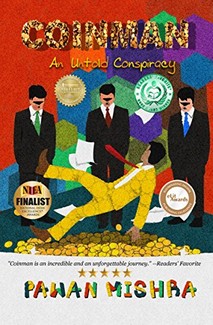
In this eccentric tale set in a small town in northern India, Pawan Mishra masterfully weaves ingenuity and sarcasm in a manner that’s simultaneously hilarious and tragic.
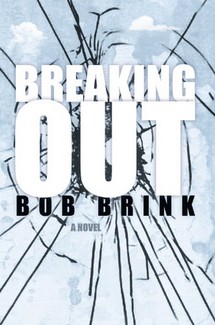
A teenage boy struggling with the coming-of-age issues of sexuality, religion, and peer approval is overwhelmed, but soldiers on. After several years, he comes to understand the family forces that have left him so deeply troubled, and the process of


 Share
Share Save
Save