In May 1991 the Saint Paul (Minnesota) Pioneer Press published Marian Douglas''s essay, "Western Hemisphere faces ''the problem of the color line''". A decade later NGOs, governments and youth attended the World Conference Against Racism in Durban, South Africa, to discuss the same issues, issues we''re still addressing in the 21st century.
At the dawn of the20th century pioneer Black American scholar-sociologist William Edward Burghardt DuBois wrote: "the problem of the 20th century is the problem of the color line," meaning the burning issues of race and racism. Near the end of the 20th century writer and international human rights consultant Marian Douglas added that not only would race and ethnicity remain prominent into the 21st century, but the world's peoples would become more aware of tensions, struggles and cooperation in other societies. "We will think about how others’ struggles relate to our own. The international dimensions of race will become more visible and more accessible to us." Written over a decade ago, Marian Douglas's words reverberate as though they were spoken yesterday.
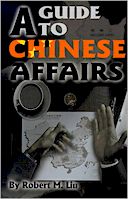
This is a political treatise that deals with the China issue from a completely new perspective. Disparaging as he may sound, from page to page, toward "the old system" and the Communist Party's various wiles, the author demonstrates his mysteriously


 Share
Share Save
Save