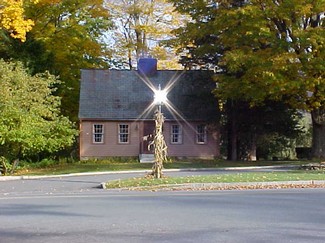
The door to nowhere is painted gray, but it blends with the wall that shows no wear. It is a remnant of the present, but no longer can it reveal what has passed. You ponder, what was it like, when it guided you somewhere?
A valley of green is somewhat serene as you sit and wait for what cannot be seen. The door to nowhere is painted gray, but it blends with the wall that shows no wear. It is a remnant of the present, but no longer can it reveal what has passed. You ponder, what was it like, when it guided you somewhere? There are marks that show the way out, and yet you know that no one can get in. The green grass, the blue sky, surrounds the building.
An old rusty kettle sits nearby, filled with bright flowers of amber and blue. While an oval pool balances the setting with distinguished marble and white slabs, sounds of the splashing water echoes in the background of this inactivity. A faded rusty wheel barrel sits filled on that carpet of green. Two weary handles are waiting to be pushed, one more time for the good old days. As the rusty frame reflects what was once new and spilling over the edge is an abundant natural resource of flowers. Some of the blossoms are red, while others are white, like a portrait, you wonder, how much time has passed?
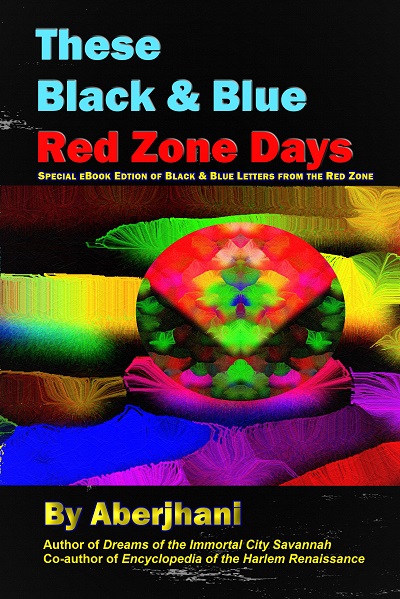
Just as life during the pandemic was color-coded with different hues representing different levels of danger, life in its aftermath has become shaded in similar ways. As a self-styled “Seeker of Beauty with Beauty,” (borrowing from a quote by W.E.B.
The deep-dive literary meditations presented as stories, poems, and essays in The American Poet Who Went Home Again, A Mosaic of My Soul at Work, have captivated and inspired readers ever since its first paperback publication in 2008.


 Share
Share Save
Save