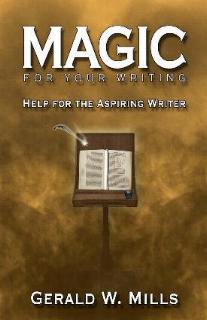
Magic is defined as that essence of imagination projecting us into the world of fantasy. Adult readers have a difficult time tapping into their “hidden child”, whereas adult moviegoers fare much better. Why? The answers will be found in this reference manual, Magic for Your Writing, a collection of tips and techniques that can make a striking and beneficial difference in your novel no matter the genre. Aimed primarily at struggling writers who are spinning their wheels, the manual will be helpful to seasoned writers as well. It focuses on reader expectations, discussing ways of helping adult readers step away from reality into the world of fantasy and keeping them there. The chapter on Point of View and Voice addresses widespread confusion about these important topics. Dialogue is covered at length, plus character development, scenes, smoothing “bumps in the road”, entrances and exits, second story lines, the dangers of making a plot up front, showing versus telling, author voice, and those troublemakers that spoil otherwise promising manuscripts. Examples are presented throughout the text and in appendices.
• Fulfillment of reader expectations is what magic is about. Project your adult readers into that world of fantasy they seek.
• Seasoned writers and beginners alike will benefit from fresh and sometimes different views on classical topics such as Point of View.
• Identify and eliminate common scoundrels lurking in your manuscript, poised to infect your story with their pranks.
• Magic will help correct faults that can make or break a novel, non-fiction work or short story, even if the writing is classroom-correct.
We all know how to plan our actions, but we aren't always able to carry them out as we had planned. That's because things happen that we don't plan, and those things cause us to react. How do you control your reactions? God has all the answers in His



 Share
Share Save
Save