The barren factory is deserted as the windows face to the outside world which is patched with blotches of white. Row after row of red bricks and lines of gray fill in between what must have been magnificent at on time and one lonely air conditioning unit, can be seen hanging out the second floor window. This is out of ten visible window sections.
What was once magnificent is now the barren factory, and deserted as the windows face to the outside world which is patched with blotches of white. The sun has peeled away sections that look like the crinkling of flaking paint. The bottom section is a light brown that covers the exposed first floor windows row after row. Vegetation has grown so close to the building that it almost covers with these long naked sticks known as trees. They are so thick that when green you would never see what is hidden. One section is open or missing on the second floor. It looks black compared to the surrounding glass.
Row after row of red bricks and lines of gray fill in between what must have been magnificent at on time and one lonely air conditioning unit it can be seen hanging out the second floor window. This is out of ten visible window sections. The bottom parallel row of windows are still broken and by one door is still opening and even a blue handicap parking sign is resting.
Hearts of Gold
Synopsis
by
Frank P. Whyte
Portland, Oregon is known as the City of Roses. Of course that’s an odd name for a city whose mere mention conjures images of driving winds and torrential ra
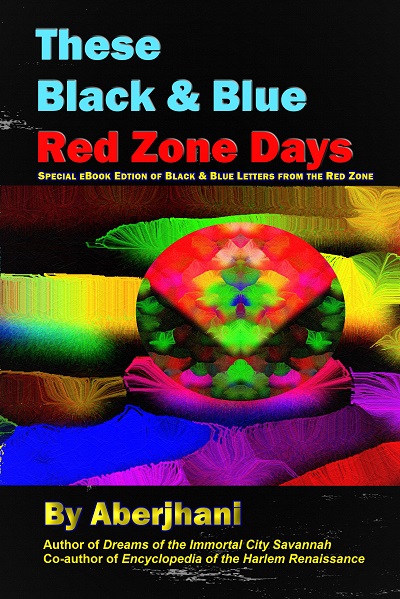
Just as life during the pandemic was color-coded with different hues representing different levels of danger, life in its aftermath has become shaded in similar ways. As a self-styled “Seeker of Beauty with Beauty,” (borrowing from a quote by W.E.B.


 Share
Share Save
Save