The Life-long Pernicious Evil
Like life’s quiet machinery, evil is not always a wolf with red eyes.
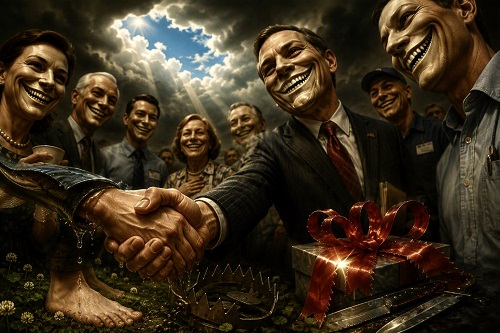
Sometimes it is a row of neckties glowing beneath fluorescent lights,
a conference table polished bright as a surgeon's blade,
hands sliding charts across oak wood
while whole peoples disappear into footnotes.
Genocide begins like a document stamped APPROVED,
like a train schedule printed in tidy columns,
like smoke folded neatly behind factory walls.
Mass extermination is a city-sized eraser
dragged across names, faces, languages, cradles, and graves,
while clerks punch clocks and carry lunch pails home.
And evil is not finished there.
It hangs from warehouse ceilings like chains of invisible hooks.
Human trafficking rides elevators, signs contracts, pays cash.
Enslavement changes uniforms but keeps the same lock.
A girl is priced like damaged merchandise;
a boy is traded like a used appliance at the edge of a parking lot.
Apartment windows glow blue with television light
while behind one door a captive life circles the room
like a shopping cart with a broken wheel,
forever turning, never arriving.
Elsewhere it learns the language of normalcy.
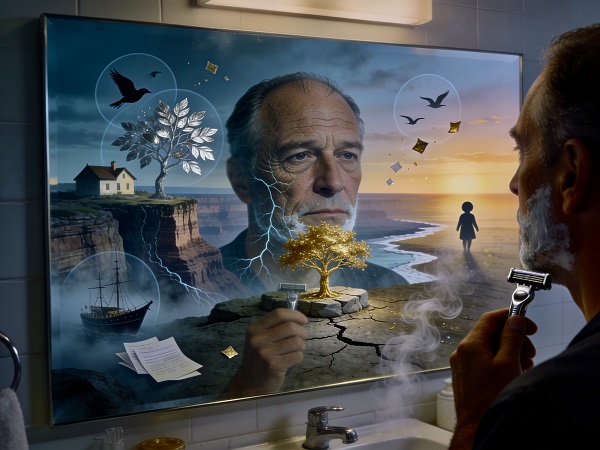
In business it skims years from workers' backs
as easily as a razor shaving a face.
In homes it leaves bruises hidden beneath sleeves,
a crack running through family photographs.
In classrooms it becomes a laugh that spreads desk to desk,
a stain creeping across white paper,
the overlooked child shrinking smaller each semester
until presence itself seems written in disappearing ink.
Systemic exploitation is a vast apartment building
whose tenants hear the pipes groan every night
yet tell themselves the sound belongs to someone else's wall.
Then one evening a young boy, eager for applause,
lifts a rock while his friends watch from the curb.
The distant house looks tiny as a toy in the fading light.
The stone leaves his hand like a joke,
like a dare,
like a thoughtless signature scratched at the bottom of a page.
Glass bursts outward, bright as a camera flash.
The boys run laughing down the street.
Days later he learns the rock struck a baby inside,
a child carried to a hospital beneath flashing lights.
And standing alone, he watches the memory replay:
one small arc through the air,
one careless act widening through lives he cannot see,
like a crack in a window suddenly revealing
it was the whole house that was breaking.
The sound of breaking glass returns to him at odd hours.
Not loud now, but distant,
like something cracking far beneath the earth.
He cannot explain what troubles him. Only that the stone seems
larger than his hand ever held it,
as though it is still traveling,
passing through rooms and years beyond the reach of his sight.
For a moment he feels connected to things he has never touched,
strangers he has never met, hurts he never meant to cause.
The feeling arrives without words,
vast and heavy as approaching weather,
and though he reaches for its meaning,
it remains just beyond him.
He knows only that something unseen binds one life to another,
and that when it is broken
the fracture travels farther than anyone imagines.
Standing in the fading light,
he feels that hidden machinery turning everywhere around him,
immense and intricate,
and for the first time does not know whether he is hearing it begin,
or finally noticing it was there all along.


 Share
Share Print
Print Save
Save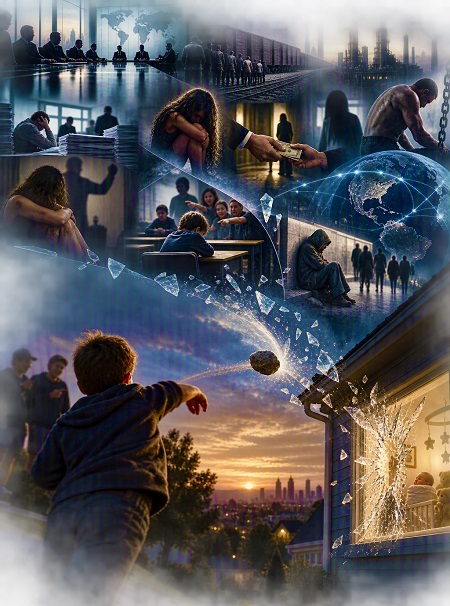



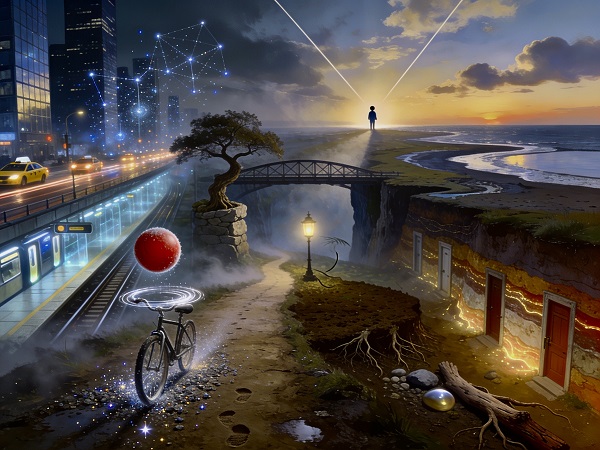





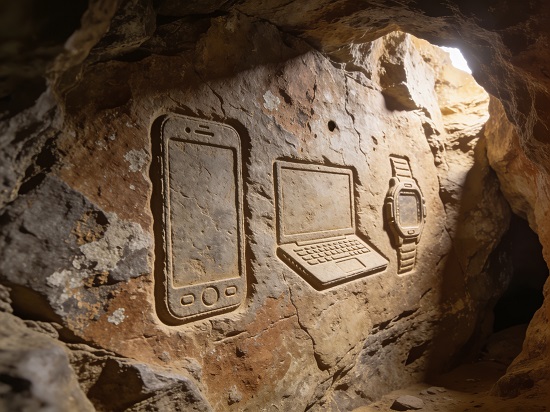
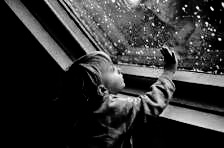



Or, in the last stanzas, the thoughtless word or act with serious or long-term consequences, if not realized and revealed, recalling the missteps of my youth, can turn into insidious, internally held evil.
Ron