A police officer injured in the line of duty shares his story. He is now unable to work, but he is thankful to be alive.
I was on my beat; it was not unusual for me to work as many as twelve hours, maybe even more, on a given night. I usually worked the graveyard shift: more pay, more excitement, more chance of things happening when you least expected them to.
I had been a police officer for over 20 years when I got shot; I was busy trying to capture a robbery suspect who had robbed yet another house in the rich part of town. He struck the Goldberg place: he stole an untold amount of cash, plus jewelry and other things he could possibly take with him as he and his buddies tried to make their getaway.
I knew the thug might be armed; I took all the necessary precautions. I didn't try to capture the robber on my own: I had two or three other guys as backup. I tried to approach him, stealthily, cautiously. I don't know what caused the guy to panic, but something spooked him: he raised his gun and fired. BAM! The noise deafened me; it was so loud. I felt a sense of white-hot, burning pain in my lower back, then nothing. That was when I mercifully passed out.
When I woke up several days later, I was surprised to find myself in a hospital bed, hooked up to some sort of traction device. I couldn't feel anything below my waist; it felt like the lower part of me was missing; yet when I looked down, I was shocked to see my legs and hips still attached to my waist. I knew something bad had happened; otherwise, I would have felt the pain that was probably ripping through my body, in particular, my back.
I was tethered to a sea of tubes; monitors hummed, hissed and beeped as they recorded my vital signs. I had a mask over my face; I was having some trouble breathing; this was why the medical staff was giving me oxygen to ease my breathing difficulties.
I had a whole set of questions to ask the nurses, which I did. I wanted to know what happened, and why. They told me point blank I had to speak to the doctor; they couldn't give me the diagnosis. So I waited for the doctor; he came in: a shortish, dark man with thick, wavy black hair and a strong accent; sounded like he was from India or somewhere in that part of the world. He told me that I was paralyzed from the waist on down; the bullet that hit my back had severed my spinal cord.
I would have to use a wheelchair for the rest of my life once I recovered and underwent a regimen of physical and occupational therapies and rehabilitation.
The news was devastating. I knew it would be bad, but I had no idea it would be this horrible. I would now have to do things sitting down; I would now have to live life as a person with a permanent handicap.
Heartbreaking, but there is hope, as I know you are showing, that is what I try to convey, in the Alexei Mystery series...A great write, thank you for sharing this, I am looking forward to part two...
In Christs Love
Michelle~
After working in law enforcement all those years it is devastating when a fellow office is injured in the line of duty...well done, Karen
peace, Carole~
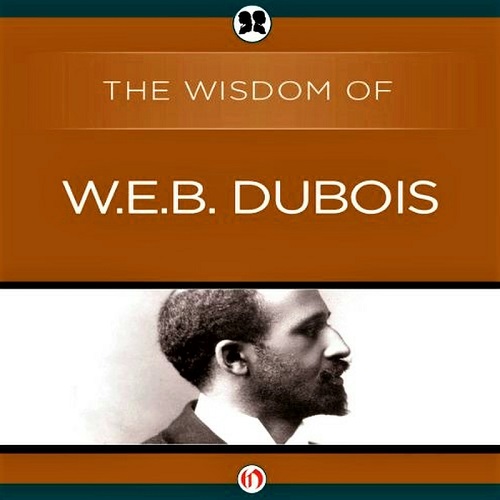
These timeless quotations culled from the celebrated corpus of writings by W.E.B. Du Bois are presented with illuminating introductory essays by Aberjhani. Narration of the Audible book performed by Catherine Byers.
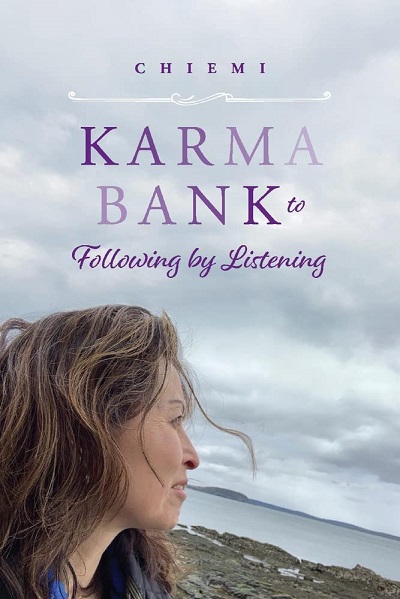
These song lyrics and art are tales, tides and twinkling lights - tunes telling stories of warmth and sun, city and sand, paths that lead, and the coins we can keep in the Karma Bank. Spirit's been bypassed for sorrow, dreaming of a better tomorrow .