(There aren't enough words in the story for a summary.)
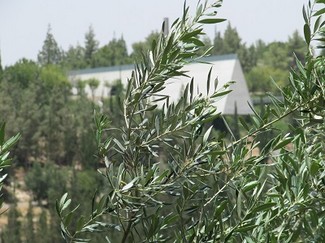
They stood, she and he, embracing in the centre of a perfect garden. Flowers all around. Pinks, reds, yellows, purples, whites. Water cascading down the rocks into the pool. Maturing plums and kumquats nested by sun-frolicked green leaves. Sweet, juicy fruit waiting to be gathered and consumed.
Over there, on the same level, stood a large bald prism. One triangular end thrust out through needle-sharp pine leaves. Acute angles pointed and menaced. Inside the prism, as clear as if its walls had been transparent and its position much closer, people wandered in a daze, struggling to grasp the horrifying enormity exhaled by tragic reminders.
“It looks quite near,” she said. “Could we walk there, down into the valley and up the other side?”
“Do you want to?” he replied in question.
“How long would it take?”
“Oh, about seventy years, going backwards.”
She glanced at him with a frowning half-smile. “We’d die before we got there.”
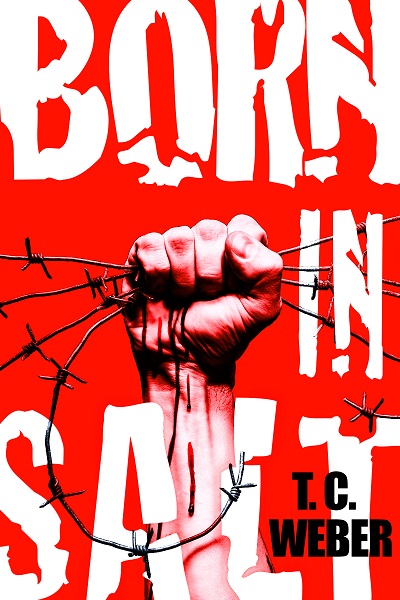
In a post-coup America, an Illinois farm boy is drawn into the resistance by his brother's death. Captured, he is given a choice: betray his friends, or the girl he loves will be lobotomized.
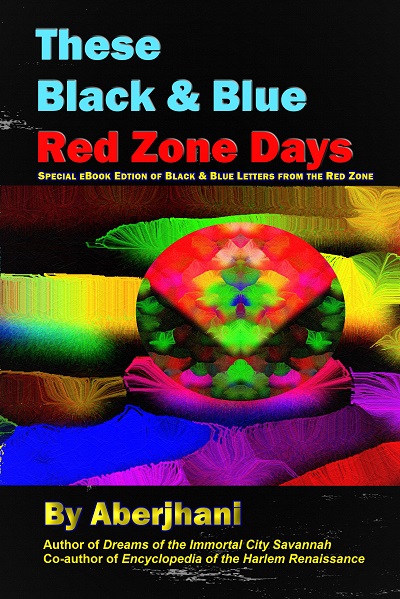
Just as life during the pandemic was color-coded with different hues representing different levels of danger, life in its aftermath has become shaded in similar ways. As a self-styled “Seeker of Beauty with Beauty,” (borrowing from a quote by W.E.B.


 They stood, she and he, embracing in the centre of a perfect garden. Flowers all around. Pinks, reds, yellows, purples, whites. Water cascading down the rocks into the pool. Maturing plums and kumquats nested by sun-frolicked green leaves. Sweet, juicy fruit waiting to be gathered and consumed.