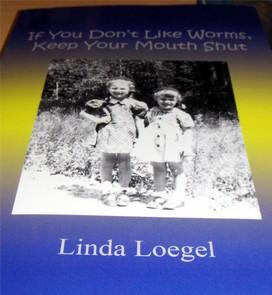
There was a time, before TV, computers, and Gameboys, when kids in their pajamas would curl up on the floor on a Saturday morning in front of the radio, a cup of hot chocolate in hand, listening spellbound to shows like Let’s Pretend. A time when parents were parents and not play date arrangers, taxi drivers, or pals. Kids were expected to find their own entertainment, respect their elders, and enjoy their childhood.
This is the era my sister, Donna, and I grew up in, in the early 1940s. War may have been ravaging the rest of the world, but in the small peaceful town of Springfield, Vermont, on a little street called Rita Street, we enjoyed life to the fullest. Although it was a time of black-out curtains, ration books, and air raid alerts, Donnie and I were too busy trying to get each other in trouble to pay much attention to world affairs. And when a feisty little black girl from the Bronx was added to the mix as part of the New York Herald Tribune Fresh Air Fund, we all learned something about acceptance.
If You Don't Like Worms, Keep Your Mouth Shut is about the values, love and laughter of one family in one moment of time past. Readers over 55 will be able to relate to the book because it will call up precious memories of their own childhood. Younger readers will be introduced to a much simpler way of life, before television, computers and cell phones.
A story of growing up in a small town in Vermont in the 1940s.
Excerpt
In the summer of 1946, before Martin Luther King and his Dream, before Watts, before Rosa Parks, before the March on Washington, Donnie and I were in a whirl of excitement outside our house on Fairground Heights. Dad was watching us while Mom was on her way to the railroad station in Charlestown, New Hampshire to pick up a young girl named Constance Delores Garcia, although at the moment, we didn’t know her name. Mom and Dad had signed up with the Herald Tribune Fresh Air Fund to take a child from the city and let her spend two weeks in the country with us. Springfield was one of the “Friendly Towns” that the city kids were assigned to. Mom and Dad specifically requested a girl, six years old in order to be an age right between Donnie and me, and that she be colored (that was before the term “black” or “African-American” became the norm.) There were practically no Negroes in Vermont and our parents wanted us girls to grow up without any prejudices. It was the best thing they ever did for us.
TRUE STORY. Bella survived an abusive powerbroker father with organized crime ties, a drug-addicted mother and a physically/sexually abusive brother. Shocking & inspirational. When she couldn't cry, she tattooed a crying angel to cry for her.
Asa D Seeley, a young Afro American man, shares his struggle to leave his past behind as he reaches for his future. In his one-of-a-kind style, he searches for answers...from the visible & invisible. A Memoir in Poetical/Prose form.
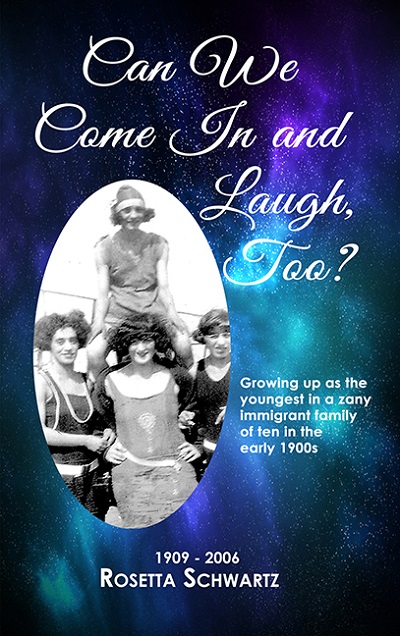
Rosetta was born in 1909 as the youngest of ten children. The family had more laughter than money and neighbors would knock on their door to ask, "Can we come in and laugh, too?"