
Kindle Edition
Amazon
phyllishmoore.com
Amazon.com
Category:
Women
Publisher: self pulblished
ISBN-10: 1519403631
Type: Fiction
Pages: 224
Copyright: November, 2015
ISBN-13: 9781519403636
Price: $4.99 (eBook)
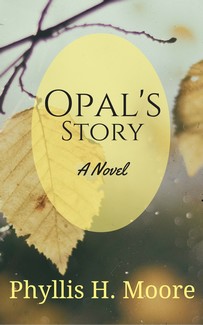
A tragedy in 1948 bonds a family in an unspoken history. Is it a secret or a sign of respect for the central character, Opal?
In 1948 a murder/suicide rocks a small west Texas town, devastating a prominent family, changing their lives forever. A family reunion of sorts requires the elders to answer questions about the tragedy in their young adulthood, something all of them wanted to avoid. The central figure, Opal, is also facing a terminal illness and wants to accomplish the only bullet on her bucket list. Although feisty and good-humored, the tragedy in Opal’s past is almost unbearable and the retelling brings her support system together again to face what they thought they had left in the past. Joy, Opal’s inquisitive niece, has a history of her own, a secret she thought she kept to protect others.
An unlikely hero emerges. A former student of Opal’s, Reggie, steps forward to repay his debt to her, an acknowledgement of his appreciation of her support and understanding. Although her family is reluctant, Opal recognizes Reggie is a second chance to embrace the only spirit capable of leading her past her bucket list to the only thing she ever needed.
Opal’s Story is a tale of unconditional love and forgiveness. The tragedy in 1948 that rocked the family seems to be insurmountable. Their lives have taken unpredictable turns, bearing no resemblance to the dreams they had for their own futures.
“This was well written and a great read. The protagonist reviewed her life and secrets and it was a page turner. Great ending!”
Set in a small town in west Texas, the fictitious, Jordanville, embodies most small towns in the late forties. The lifestyles and attitudes that shaped the community defined the values and the prejudices that could condone and precipitate acts of bullying and intimidation.
Harold sat watching Opal recall the house. He never expressed his opinion about his parent’s need to maintain a social presence. It didn’t sit well with him. In fact, it irritated him. He thought the need to have material things and be seen in the community as law-abiding, church-goers was the root of their problems. Opal saw the family one way, and he recalled their existence in a different way. He supposed it was a gender thing. Opal liked the silver, china, bridge-playing, choir-singing. He, on the other hand, didn’t feel those things were necessary. He didn’t mind attending church, but he saw duplicity there. The boys tended to be out on the town, observing the men of the church in the pool hall, courting women, not their wives, gambling, and telling irreverent jokes. He knew their father was one of those men, living one way in view of his family and church, and living another way when they weren’t looking. Harold knew the gambling was a problem and caused the financial problems they discovered after Billy Mack’s death. Harold’s memory was not as flattering to his father. Sometimes he thought his mother’s desire for silver and china was the reason their father turned to gambling. He wanted to blame someone, but he wasn’t sure . . . I’ll let Opal have her pleasant memories. No sense upsetting her at this stage of the game. What’s gone is done. Nothing we can do about it now. She may not even know about the financial problems. Opal may have been in the hospital when we discovered that. I can’t remember. No harm done keeping that away from her. She had enough to worry about. Nothing anyone could do about it anyways.
Excerpt
Harold sat watching Opal recall the house. He never expressed his opinion about his parent’s need to maintain a social presence. It didn’t sit well with him. In fact, it irritated him. He thought the need to have material things and be seen in the community as law-abiding, church-goers was the root of their problems. Opal saw the family one way, and he recalled their existence in a different way. He supposed it was a gender thing. Opal liked the silver, china, bridge-playing, choir-singing. He, on the other hand, didn’t feel those things were necessary. He didn’t mind attending church, but he saw duplicity there. The boys tended to be out on the town, observing the men of the church in the pool hall, courting women, not their wives, gambling, and telling irreverent jokes. He knew their father was one of those men, living one way in view of his family and church, and living another way when they weren’t looking. Harold knew the gambling was a problem and caused the financial problems they discovered after Billy Mack’s death. Harold’s memory was not as flattering to his father. Sometimes he thought his mother’s desire for silver and china was the reason their father turned to gambling. He wanted to blame someone, but he wasn’t sure . . . I’ll let Opal have her pleasant memories. No sense upsetting her at this stage of the game. What’s gone is done. Nothing we can do about it now. She may not even know about the financial problems. Opal may have been in the hospital when we discovered that. I can’t remember. No harm done keeping that away from her. She had enough to worry about. Nothing anyone could do about it anyways.
|