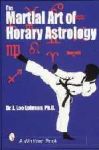
A comprehensive introduction to classical Western horary technique. Assumes intermediate knowledge of astrologyt.
This book systematically teaches the reader how to ask and answer horary questions.
Excerpt
Astrology is both Art and Technique. To fully grasp these two simple words, we must engage both the historical and a cross-cultural context. The English word “technique” is derived from the Greek word techne, which has a much broader meaning. Techne is what the Medieval guilds taught. This was the vocational system in which an apprentice was adopted into a master’s workshop where he - unfortunately, it always seemed to be he - went from seemingly meaningless manual labor, to a gradual acquisition of the tools and the practices of the craft. As his skills began to reach a certain acceptable level, he was sent out into the world as a journeyman, where he began with small or lesser projects, and possibly with training from other masters. Finally, when his technique had truly blossomed, he would create and submit a “master piece” – a work demonstrating mastery of the craft.
While this system has virtually disappeared as a form of vocational training, it remains the training method for traditional Asian style martial arts. While we call them traditional, in fact the modern style of training in the martial arts as a sport is only a relatively recent phenomenon,1 although particular punches, throws or kicks may be thousands of years old. Martial arts training teaches a combination of method and intuition. The beginner is taught a series of moves or positions - much as in yoga, the practitioner is taught the various asana, or positions. At first, this makes little sense. The positions are so specific that it’s difficult to envision an attacker approaching from a direction and posture that would allow a response! But the ultimate answer is that these “positions” are there to form a meditation in movement - one that the student doesn’t even recognize as being a meditation. At first, the student simply goes through the motions. At some point, the student becomes the motions. This is the process of Mastery. Once this happens, the student goes beyond the positions in a completely creative response to the stimuli of the moment. Now here is the vital point. Mastery cannot be taught, but it can be transmitted. How do we understand this riddle?
The “technique” portion of techne can be taught. This is the easy part. Technique applied over and over becomes embedded in Consciousness. Eventually, technique metamorphoses into “Art.” How this happens is different for every individual. Whether it will happen is mostly a function of the equation: good technique applied to lots of examples ultimately allows Mastery to manifest.
ebook Version
Too many people attempt or commit suicide while those around them didn't realize they were suicidal. This book will teach you what you need to know so that will never happen to you. It can also give hope to the suicidal person
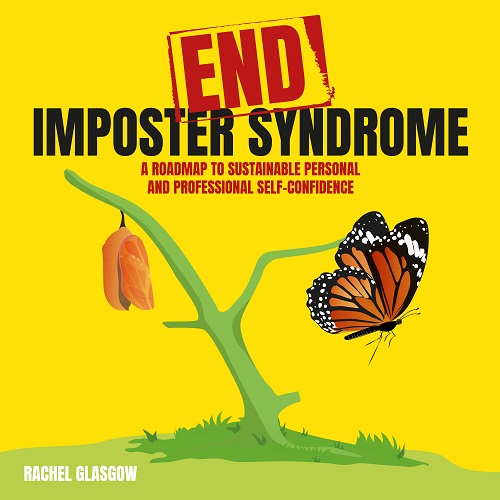
This book helps you get to the root of imposter syndrome and provides easy to use strategies to uproot it once and for all. Only be getting to the deeper underlying issues can you build sustainable, reliable self-confidence personally and professiona
Lined and Unlined
Fun Tidbits and Trivia about each state.
Journaling can help improve mental health and happiness, provide a creative outlet, and give a perfect place to record life's precious events. Grab your journal today.