Category: History Publisher: Maria Elisa Botelho Byington
ISBN-10: 8590187918
Type: Non-Fiction
Pages: 202
Copyright: Jan 1 1999
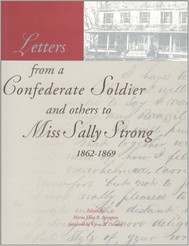
Love Letters written by Tom Atkins to Sally Strong who emigrated to Brazil with her father Henry Strong in 1867. Tom's chronicles open a window onto life in 19th century Mississippi.
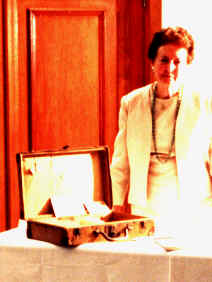
Among the families who left the United States after the Civil War to seek their fortunes in Brazil, and settled in the vicinity of Santa Barbara and later Americana, was the clan of Henry Strong. Henry left his home in Brookhaven, Mississippi, in 1867, and headed South with his daughter Sarah Amanda (Sally) and other family members. Sally Strong did leave behind a love-sick young Mississippian named Tom Atkins. From the middle years of the war, through its convulsive conclusion and into the turmoil that was the Reconstruction, Tom pined for his love across the seas. Sally kept his letters in a little suitcase. and these letters were preserved over the years until, through the tireless efforts of Maria Elisa Byington, they have come to light in this collection. Tom’s chronicles open a window onto life in 19th century Mississippi. (Cyrus B.Dawsey)
Excerpt
I went to your house the last time I thought fully nerved to bear the last pang I would ever feel for womankind & if I could have remained convinced that you never had any other stronger feeling than friendship for me, there would have been no struggle at the final parting. …Your tears I expected for woman [sic] can not keep them back on even light occasions, but Sallie when I noticed the pale lip quiver & tremble I could not resist the conclusion that you were struggling to keep down a deeper emotion than parting from a dear friend could produce. You told me then that you would take with you as cherished mementoes some of my letters & scraps wherein you knew I had striven to paint my soul just as it was & is yet & will ever remain towards you … for it will require a deeper stream than the Jordan of Death to wipe out the remembrance of my love for you. I may as well say it now as any time that I will never come to Brazil unless I come to relieve you from temporal trouble or want that misfortune might bring on or come at your bidding to part no more (p. 56)
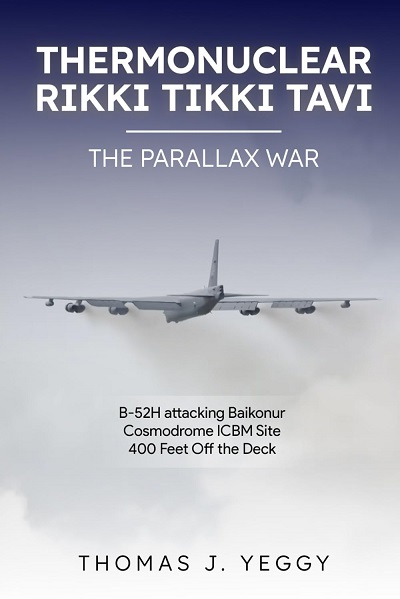
This book explores how U.S. presidents Dwight D. Eisenhower and John F. Kennedy failed to stand up to Soviet aggression during the early Cold War—despite America's overwhelming nuclear advantage.
325 letters my father wrote to my mother during his time in World War II.
Woven together in a timeline of events of three of his brothers, 5 brothers-in-law, and one cousin, all 10 of them were in WWII at the same time.