Category: Cooking/Food/Wine Publisher: Celestial Arts
ISBN-10: 890879958
Type: Non-Fiction
Pages: 198
Copyright: Oct 1, 2000
ISBN-13: 9780890879955
Reaching back into the thirteenth and fourteenth centuries, "The Wicca Cookbook" offers spellbinding ways to celebrate the divinity within nature and each of us. This one-of-a-kind collection emphasizes recipes that use ingredients at their seasonal peak.
The Wicca Cookbook is a seasonal cookbook with 100 recipes, equally divided into the eight sabbats (ancient Celtic holidays). This book will inform readers of the relationship of nature and ourselves and how we can bring this divine connection into our everyday lives, particularly with cooking and eating. Those merely curious about this nature-based religion will also find good information here. Spell-casting and creation of sacred spaces precede a discussion of medieval cookery, source of many of these updated recipes. Nature forming the core of this religion, the authors organize recipes through seasons from Candlemas into the dark days of winter solstice.
Excerpt
Within Wicca there are eight sabbats, each holding a sacrosanct place on the Great Solar Wheel of the Year, also known as the Mandala of Nature. The sabbats give way to each other like the changing of the seasons. Each sabbat is celebrated with a corresponding symbol, traditional foods, herbs and the ritual invocation of Divine power through the creation of sacred space.
The Wicca Cookbook is divided into these nature-based festivals. The recipes include many flowers and herbs, and each is preceded with a hallowed meaning, the ingredients’ therapeutic value, historical significance or a spell or ritual that you can perform in conjunction with the food preparation. Great value is placed on personal creativity, poetry and the artful integration of different myths and ritual elements. Therefore, you are encouraged to add to and create a personal ceremony or meditation that reflects your feelings and understanding.
The use of edible flowers and medicinal herbs dates back to the Middle Ages and even earlier, when ancient Wiccans included them in recipes, as well as used them for their healing and medicinal properties. Except for those few that were grown locally, most herbs were quite expensive in the Middle Ages and protected with tenacity. Only the lady of the household held the key to the herb cabinet, since the servants were not to be trusted with such a precious commodity.
Mad Cow’s Disease is a food feeding consumption disease issue. What food is fed cows. Is if remains of cows? Does this feeding pattern create a Disease?
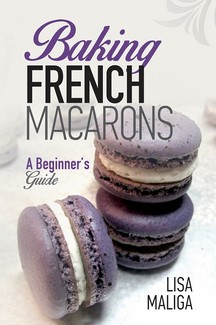
Bake beautiful and delicious French macarons in your own kitchen. This collection of tried-and-tested recipes allows bakers to create these tasty and colorful confections.
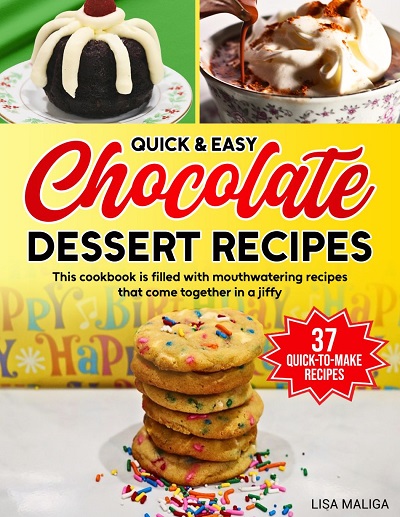
Desiring something chocolatey and delicious? Look no further! This tempting collection of 37 irresistible, quick-to-make recipes is the ultimate treat for chocolate lovers of all ages. From dreamy hot and cold chocolate beverages to decadent cookies,