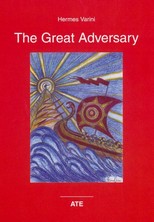
Brunanburh moors England, 937 A.D. A young soldier lies wounded on the battlefield. A stranger comes by and places a sword under his chin. Henceforward the man will lead him on a journey that will assume the proportions of an epic feat. The Great Adversary is a compelling blend of Viking epos with realistic detail and rich philosophical and symbolic implications. Hermes Varini controls the narrative with a system of structural symmetry and contrast and through a set of intriguing figures. By offsetting the stormy character of the plot in this way, he creates an exceedingly potent atmosphere that leads to one of the most impressive denouements ever told.
Historically, symbolically and in a nutshell, THE GREAT ADVERSARY is the insurmountable essence of a grand confrontation
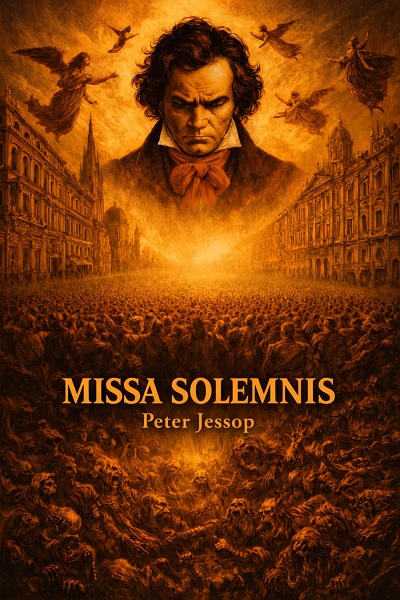
As deafness, illness, and demonic forces close in around him, Ludwig van Beethoven must summon his faith and genius to complete the Missa Solemnis—a sacred masterpiece he believes could bring divine light into a darkening world.