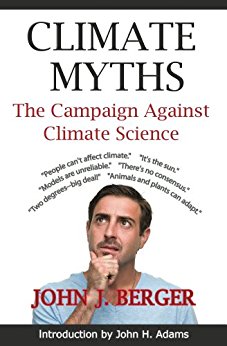
Climate Myths is both an authoritative primer on climate change and a definitive rebuttal of climate science skepticism and denial.
Climate skeptics and their oil and coal industry sponsors have long tried to discredit climate science and thwart climate legislation and policy. Climate Myths describes their modus operandi in detail and historical context, exposing the pseudoscientific “think tanks,” “institutes,” and assorted rightwing proxy organization that manufacture myths about climate change, paralyze the climate policy process, smear reputable scientists, and pretend that policies to protect the climate pose a dangerous threat to American democracy and prosperity. Climate Myths debunks these myths by drawing upon the established principles and notable achievements of authoritative climate science.
Clearly written in layman's terms and suitable for introductory-level and advanced readers alike, Climate Myths summarizes the imminent threat of rapid climate change and points readers toward needed action, with extensive references for further study. This volume is the first of a three-book series. Volume 2, Climate Peril, focuses on the causes and consequences of rapid global climate change and how they affect nature and industry. Volume 3, Climate Solutions, offers hope and shows how we could create a climate-safe world by radically transforming our energy, transportation, and land use practices.
The symbiotic pattern of evolution is everywhere and allows us a very different and fascinating window into the way symbiotic viruses work, since all viruses are symbiotic, including those involved in our human reproduction.
Where do viruses, such as Ebola and HIV, come from and why they are so aggressive? This book changed tenets of evolutionary virology, developing the concepts of aggressive symbiosis and plague culling, which explain much of the horror of plague virus
Our human genome is full of viruses similar to HIV-1. These have played an important role in human evolution and still play an important role in human embryology and day-to-day chemistry. Just how important are they to our evolution past and future?