Teen looks at adult oppression with clarity, insight and judgement. A stream of social conscience.
It is the summer of 1953 in Jack London's Valley of the Moon when our Volume 2 opens. In his mind's eye, Henry recommences charting his journey. He does so in the profane, plain spoken lexicon of the teen culture he's growing up in. Henry's experiences take him to the brink and increasingly beyond into crisis as a new worldview comes into focus for him. This transformation is inspired and identified with Yank Finn, an extraordinary example of an enlightened adult, in an otherwise oppressive, detached, dysfunctional milieu. More than half a Century has elapsed. A mouse is no longer a wayward little critter hiding in one's closet. Ah, but the essential problems remain in a much worse condition given their having been ignored and swept under the proverbial rug. The result is a profoundly untenable condition I call Adultheid, America's Apartheid. Henry's alter ego rebels against this negating force. The story ends but the book carries on offering the hope of solutions that work were it not for the intractable obduracy of the adult status quo. With all the fighting, the high road spirit of Henry should refreshen us all for the eminent task ahead where our children are concerned.
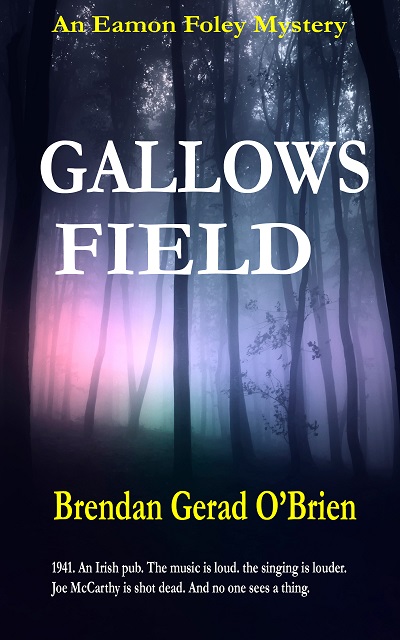
Dublin 1941. A brutal murder. Mistaken identity. And barman Eamon Foley is running for his life.
Nine months later Foley is in a crowded pub, and his brother-in-law is shot dead.
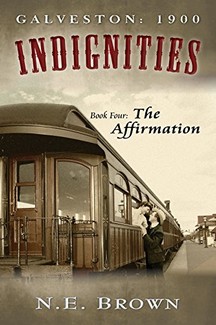
Fleeing from a scorned past,Catherine Merit struggles with her failing medical practice and a rich man's obsession of her.Book Four in the Indignities Series
Shanghai Escapist grabs the faint-of-heart right from the get-go and serves up an ultimatum: What would you do if caught in the same circumstances? From the opening scene, the reader is tossed into the maze of daily intrigue as it existed in 1960s-70