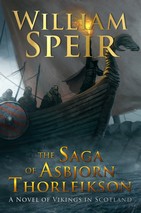
In the latter half of the ninth century A.D., Asbjorn Thorleikson, a young Norseman, prepares to leave Ireland on his first expedition to Britain. He dreams of glory in battle and returning with tribute from the defeated Bretons. But what is supposed to be a chance for Asbjorn to prove himself as a warrior turns into a fight for survival in a strange land.
Asbjorn’s brother, Bjornkarl, is one of the berserkers, the fiercest of all Norse warriors. He is also a bully who enjoys tormenting his younger brother. When Asbjorn captures Caitlin and decides to keep her as his own, Bjornkarl can think of nothing other than to take Caitlin for himself. Faced with the possibility of losing Caitlin to his brother, Asbjorn allows her to go free.
As the Norse fleet prepares to leave Dumbarton, soldiers from Alba (Scotland) attack. Asbjorn’s ship is burned and he is captured. Caitlin intervenes to save his life, and he is given a choice: live with the Albans and renounce his Norse heritage, or die with the rest of the Norse prisoners. Asbjorn choses to live and is taken back to Alba by Caitlin’s clan.
In the years that follow, Asbjorn adjusts to his new home. But when Norse raiders attack his village, he is forced to choose between the life he was born to and the life he accepted when he agreed to live with the Albans.
The Saga Of Asbjorn Thorleikson, inspired by a legend from the author’s family, is set during the events that took place during the 870’s AD in Scotland. Most of the story takes place around Dalriada in modern-day Argyll, Scotland on the banks of Loch Fyne.
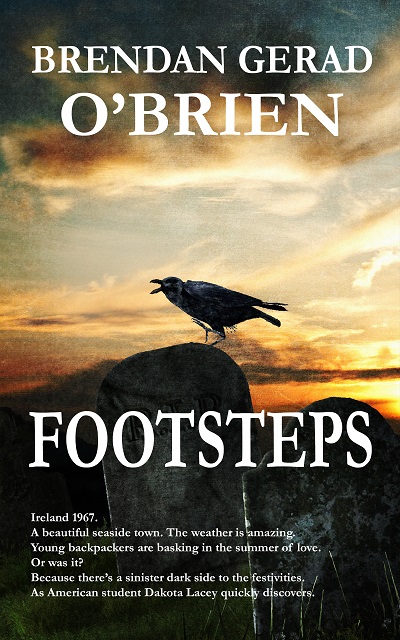
Ireland 1967. The Summer of love. Or was it?
A holiday weekend. Amazing weather. American student Dakota Lacey is hiking around Kerry.
But there’s a sinister, dark side to the atmosphere. Lone female hikers are being brutally attacked.
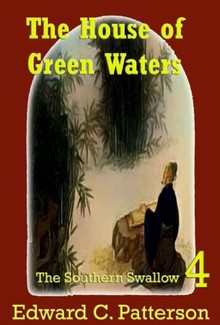
Fourth Book in the Southern Swallow Series finds the Academician Li K'ai-men in exile on Hai-nan Island. China has a new invasion threat. A showdown between ingenuity and technology explodes as the Sung Dynasty tries to preserve itself.