|
|
|  | | Leadership: So What Makes You Think You Can Lead
This book serves as a sounding board to help guide you with its recording of best practices. Climb the ladder of leadership; hired, trainee, mentor, team lead, supervisor, manager, and executive and let people know that you can successfully lead with every step you take.
span style="font-size: 12pt">Leadership plays a major role in everything that we do in life. Though effective leadership is a personal role that requires individual thinking and attainment, one must make sure that it is focused on the overall success of the organization. However, there are other roles that are directly tied up in what we call leadership and some of the roles include self-leading, managing change, empowering people, leading by example, delegating authority, facilitating cooperation, and building and leading a team. Leadership is not just power but for the most part, it is a | |  | | So You Want to Be a Strategic Leader
A practical manual on strategic leadership! Learn what it takes to be a strategic leader.
This book asks one central question: So you want to be a strategic leader?
p align="left">It goes on to promote the essentials skills and knowledge for those who aspire to become one.
p align="left">strong>em>So You Want to Be a Strategic Leader/em>/strong> asserts that the future of an organization of the 21st Century will be one that emerges from complex interactions of technology, processes, structure, strategy, and workforce challenges, which are all interwoven to create this future operating environment of an organization, driven by the understanding that the heart of a | | 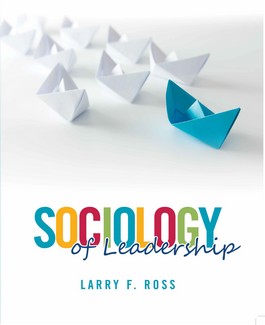 | | Sociology of Leadership
Sociology of Leadership (SOL) focuses on principles of sociology and leadership from a sociological perspective to facilitate an enhancement to one’s social life and that of others. The sociology of leadership incorporates aspects of psychology, business, economics, and historical studies to address a leader’s talents, style, knowledge, and overall behavior as one interacts with groups, organizations, and society. This is important for future leaders in a variety of fields to include, but not limited to business, sociology, psychology, education, economics, and history as it will provide a well-rounded understanding of leadership.
|
|
|
|


