|
|
| 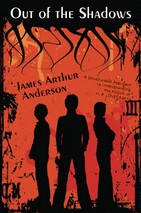 | | Out of the Shadows
James Arthur Anderson takes a structuralist approach to dissecting the horror fiction of H. P. Lovecraft (1890-1937). This book offers both scholars and fans alike new insight into the work of the best-known American horror writer of the first half of the 20th century. As S. T. Joshi states: "Anderson's thorough familiarity with Lovecraft's texts (essays and letters, as well as stories), and with the best scholarship on Lovecraft, is evident on every page; and the fluidity with which he weaves together critical approaches into a unified commentary is enviable." Complete with chronology, bibliography, and index.
p style="margin: 0in 0in 0pt" class="MsoNormal">font size="3" face="Times New Roman">Although Howard Phillips Lovecraft (1890-1937) is generally regarded as one of the world's finest writers of horror and science fiction, his work has received little critical study by mainstream critics.span style="mso-spacerun: yes"> /span>Professor Anderson's study takes Lovecraft out of the shadows by shedding light upon his work by analyzing 15 of his stories using a structuralist critical theory.span style="mso-spacerun: yes"> /span>This analysis shows that Lovecraft's fiction, while it | |  | | The Altar
Erik Hunter, a science fiction writer, is confronted with a near-immortal demon that feeds on human suffering.
When a new strip mall and housing development are built near a small New England town, tearing through an untouched forest, a 300-year-old grave is uncovered, thereby setting loose an ancient evil from its eternal prison.
Science fiction writer Erik Hunter soon finds himself the target of a near-immortal horror that feeds on human suffering. In order to save his family and his town, he must make the harrowing trip into the underworld of another reality, one filled with pain and terror--and there make the ultimate sacrifice to facilitate the return of his imperiled wife and you | | 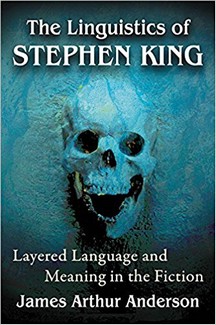 | | The Linguistics of Stephen King
Examining Stephen King's fiction using modern literary theory, this study reveals the unexpected complexity of 22 short stories and novels, from Carrie to End of Watch. The author finds King using fantasy and horror to expose truths about reality and the human condition
Stephen King, "American's Favorite Boogeyman," has sold over 350 million copies of his books, becoming, in effect, the face of horror fiction. His influcence on popular culture has drawn both strong praise and harsh criticism from reviewers and scholars alike. While his popularity cannot be overstated, his work has received relatively little critical attention from the academic world.
Examining King's fiction using modern literary theory, this study reveals the unexpected complexity of 22 short stories and novels, from i>Carrie /i>toi> End of Watch. /i>The author |
|
|
|