|
|
|  | | All About Agni
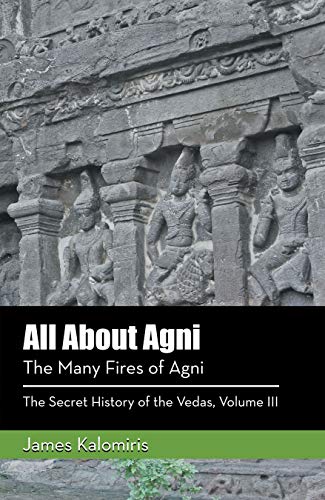
This is a book which describes the full powers of the Hindu god, Agni.
This is the third of a series, The Secret History of the Vedas. Written in a lively, engaging style, the purpose of the series is to educate, entertain, and inform the Reader, and as any book ought to do, teach the Reader something, or to have the Reader find what I written to be
interesting enough to where they want to learn more.
This is a book all about Agni. Agni is the premier God in the Hindu pantheon. He is known as the God of Fire. But a simple substance like “Fire,” though simple, Agni represents many fires, and these fires each have a specialized meaning and function in | | 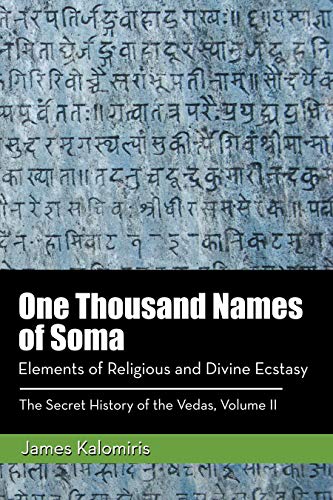 | | One Thousand Names of Soma
This book is a commentary of the epithets for Soma in the Rg Veda.
Soma is many things. It is a deity; it is a divine force; it is a religious
ceremony; it is an astronomical body; it is a plant; it is a mental state; it
is an experience of religious being; it is a substance obtained, brewed,
and consumed like beer. It is indeed all these. Or, Soma may be nothing
at all. It may simply be a mental construct, an edifice imagined by the
Rishiis and later by worshipers, erected for the purpose of directing their
visions and prayers. It may be a presence as ephemeral as the Holy Spirit in Christianity, elusive yet all-pervasive. It is most | | 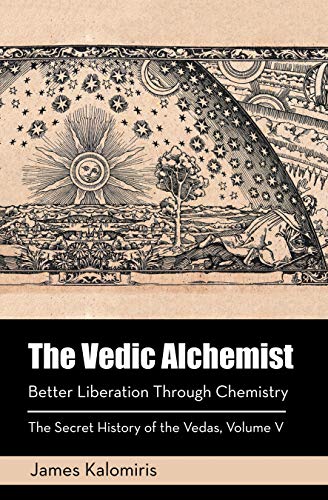 | | The Vedic Alchemist
Alchemy, as originally described by the holy books of India, the Vedas.
This is a book about alchemy, Vedic alchemy. It is an investigation of physical matter, but not an ordinary investigation. With the help of the Vedic scriptures and classical alchemical texts, this book explains how physical matter was created, how it evolved from small atoms, and how it coalesced into the physical objects we see every day. After creating physical matter, the Vedic alchemist takes the reader down a path of personal liberation through the transmutation of base metals to the Philosopher Stone, always with an eye to the Vedas. | | 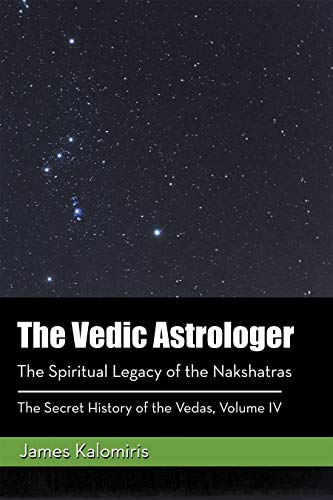 | | The Vedic Astrologer
Astrology as described in the holy books of India, the Vedas.
This is the fourth of a series, The Secret History of the Vedas. Written in a lively, engaging style, the purpose of the series is to educate, entertain, and inform the Reader, and as any book ought to do, teach the Reader something, or to have the Reader find what I written to be interesting enough to where they want to learn more.
Astrology has spiritual roots, and those roots are found in one of the Vedas, the Atharva Veda. The Vedic Astrologer analyzes those spiritual roots with reference to the major Hindu Gods---Agni, Indra, Soma, and many many other lesser Gods. It gives a | | 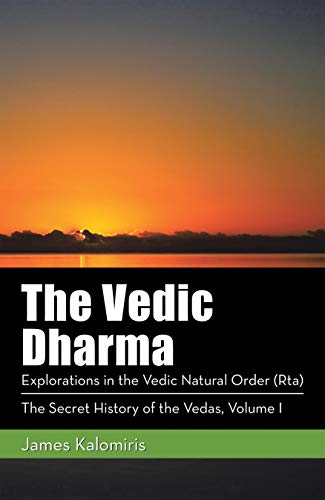 | | The Vedic Dharma
This is the first book of a series, The Secret History of the Vedas. It contains all the themes which run in the other books in this series.
This is the first of a series, The Secret History of the Vedas. Written in a lively, engaging style, the purpose of the series is to educate, entertain, and inform the Reader, and as any book ought to do, teach the Reader something, or to have the Reader find what I written to be interesting enough to where they want to learn more.
There is a Sukta in the First Book of the Rig Veda called the Asyavamasya Sukta. It consists of fifty-two mantras. In these fifty-two mantras contain the major themes of the Vedic dharma, which is the combined wisdom of Hinduism.
This book i |
|
|
|