Can Shorter Days Cause Depression? By Aubrey Hammack
The answer to this quesion is a resounding yes. We all need direct sunlight. Of course, huge amounts of it can cause skin problems. But that is not what we are talking about here. During the winter months when the days are shorter, many of us have a deficit in being in the sunlight and this causes some to have depression.
Now much has been written in the past few years about seasonal depression. It has been called Holiday Blues, Holiday Depression and Seasonal Affective Disorder (SAD). The truth is that Holiday Blues and Holiday Depression can be separated from SAD. Holiday Blues is a very specific depression connected to the holiday itself. Lots of people are affected by the Holiday Blues due to losses in their lives through death, separations as well as holidays that find the financial cupboard bare as well as sad memories that have not been worked through by some in years past.
But, Seasonal Affective Disorder occurs between the months of September and April with January and February seeing more reports of SAD. It is linked specifically to less daylight. This is connected to a chemical called melatonin, which is secreted by the pineal gland, a tiny gland in the brain. It seems this hormone is produced in increased levels in the dark especially during winter when the days are shortest. Therefore, light itself plays a major role in this depression.
Symptoms of SAD include:
Regularly occurring periods of depression linked between the months of September and April and observing weight gains and body demands for unusual amounts of sleep
Seeing no signs of the depression during the later spring and summer months
A craving for more sugar in diets.
Irritability
Fatigue
Feelings of anxiety and despair
Episodes of depression within the same 60-day winter period in three different years – two of which are successive
Treatment for SAD outside of the more severe cases requiring medications have seen documented successes using artificial light boxes using at least 2500lux. Lux is a technical measure of brightness. It is five times brighter than the average office. An average lightbox costs about $250.00. This box needs to be placed at a sensible distance to the person. For example, one could be placed on a person’s office desk. A normal living room would deliver 100lux of light. Research points out that some people with SAD are helped when relocated to a brighter climate. Findings report that people should use the lightbox 15 to 45 minutes a day and this appears to be sufficient to relieve symptoms of the depression. Research also suggests that natural light is not as necessary as believed a few years ago.
Now of course there are other ways to attack SAD without buying the box. The box would be an alternative to those that cannot arrange in those shorter day months to spend more time outside in the direct light. For those that can, it is suggested that they arrange their schedules where they can spend maximum times in the outdoor light.
Other treatment recommendations are:
Take your lunch time to walk outside in the light
If your office has windows that are obscured by tree branches, trim them so the light can get in.
Position your desk in front of the window, if possible.
If you are unable to be outside during the day, take a walk just before you leave work or as quick as you get home before darkness falls
Take a winter vacation to a sunny location for temporary relief
Monitor your sleep, diet, and exercise
For those more severely affected by SAD, see your doctor and or get a recommendation from a mental health professional to treat you for this problem, which might include medications.
This book operationalizes the profound teachings of the Enneagram so that coaches and other growth-oriented professionals can use specific processes,tools and strategies to empower and support the transformation of their clients.
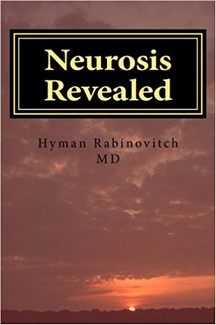
Neurosis, a mental illness, affects everyone to a greater or lesser extent, yet most know little or nothing about it. This book reveals all, including incidence, signs and symptoms, cause, treatment and prevention, in lay language.