AuthorsDen.com   Join | Login    
Where Authors and Readers come together!

SIGNED BOOKS    AUTHORS    BOOKS    SAMPLE CHAPTERS    AUDIOBOOKS    eBOOKS    STORIES    ARTICLES    POETRY    BLOGS    NEWS    VIDEOS    SUCCESS    TESTIMONIALS

Featured Authors:  Rochelle Brandon, iEmmanuel Laroche, iLisa Loucks Christenson, iFERIAL Haque, iCharlene Proctor, iRobert Wood, iPamela Wiedenbeck, iPamela Ackerson, iMargaret Mullings, iMichael Gorton, i

  Home > Children > Articles Popular: Books, Stories, Articles, Poetry      Authors: A B C D E F G H I J K L M N O P Q R S T U V W X Y Z     

Karen Cioffi

 Follow Me  

· Contact Me
· Books
· Articles
· News
· Blog
· 16 Titles
· 8 Reviews
· Save to My Library
· Share with Friends!
·
Member Since: Feb, 2009

Karen Cioffi, click here to update your pages on AuthorsDen!


Books by
Karen Cioffi


See all Books
by Karen Cioffi


4 Writing Tips on Using Descriptions
by Karen Cioffi   
Rated "G" by the Author.
     
Recent articles by
Karen Cioffi

• Can You Still Get a Book Deal?
• Children’s Writing: A Guide to Rewriting a Tale
• Is Self-Publishing a Children’s Book the Way to Go? 4 Realities
• Read as a Writer
• Writing for Children: Ten Basic Rules
           >> View all

Four tips to help you get a handle on writing descriptions.

Using descriptions can be a powerful writing tool. The most important thing to keep in mind is to use your imagination. Close your eyes and picture what your character is doing. Picture what the scene looks like then paint it with words.

Below are four tips to help you get a handle on writing descriptions.

1. You’ve got to engage your readers.

How do you do this? By showing them what’s going on.

Let the reader:

- Smell what the character is smelling.

- Hear what the character is hearing.

- See what the character sees.

- Feel what the character is touching.

- Taste what the character is tasting.

 Let the reader feel like she’s there. Use your character’s senses to describe (show) what’s going on.

2. Use descriptions in action scenes.

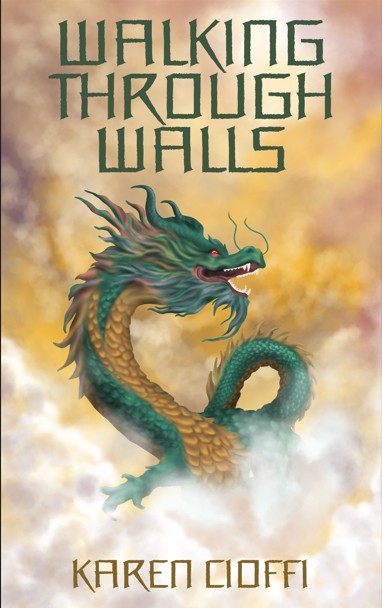
Using an excerpt from Walking Through Walls, I could have said just said it was hot. But that wouldn’t show how hot it was for the protagonist, Wang.

“The sun beat down on the field. Sweat poured from the back of his neck drenching the cotton shirt he wore. I hate doing this work. He hurled the bundles on a cart.”

I used description to show the action scene. This helps engage the reader. 

3. Use description to emphasis the scene. 

While you should write tight, sometimes it’s powerful to use description to bring the reader into the scene. In the excerpt below, the protagonist of Walking Through Walls is on a path that could change his life forever: 

“Deep in thought Wang did not notice the black cat that crossed his path, or the black raven that swooped and almost landed on his head. He did not even notice the silver snake with the purple tail that slithered along beside him on the road. Wang only noticed that each step took him closer to the merchant’s home and the beginning of the road leading to his destiny.” 

I could have simply used a version of the last sentence to say he didn’t notice anything. But, this wouldn’t allow the reader to know what was going on around him - how absorbed he was in fulfilling his dream. It wouldn’t bring the reader into the scene.

In addition, the description used for that scene is brought up later in the story. So, it’s also helping move the story forward. 

4. Don’t use description dumps. 

While it’s essential to use descriptions in your writing, you don’t want to overdo it. And, you don’t want to give description dumps.

What this means is avoid going beyond what is needed to engage. Yes, authors did it years ago – they’d elaborate on descriptions for sometimes pages. And, I would think it gave the writer a sense of freedom to be able to describe in full what she was imagining - not having to worry about tight writing. But, it won’t fly today. 

Today it’s about writing ‘lean and mean.’ It’s about thinking carefully about your word choices, your descriptions, and your character’s backstory. If you can say it effectively in two words rather than six, do it in two. 

It’s about making sure everything thing in your story is moving the story forward. No sidetracking for a beautiful description. No sidetracking for over elaborating. 

Weigh what will work and what is too much. Use balance in writing descriptions in your story.


Want to review or comment on this article?


Need a FREE Reader Membership?
Reviewed by Karen Cioffi
Reviewed on August 28, 2017
Ron, I think most of us writers tend to lean on the visual description.

Reviewed by Ronald Hull
Reviewed on August 28, 2017
Great advice. I'm told that I write good descriptions. But I rely too much on the visual and must use the other senses more. My character development is in need of better description.

Ron

Popular Children Articles
  1.  The Story Behind Matthias: The Ghost o
  2.  The Adventures of Patee and Maree in T
  3.  7 Ways To Get Your Child or Student to
  4.  Book Review: What Little Girls Can Do!
  5.  12 Days of Acts of Kindness
  6.  Book Review: The Squirrel That Loved I
  7.  12 Fun Facts
  8.  Book Review: Tessy Turtle by Anna Casa
  9.  Book Review; My Mocha Skin by Anna Cas
  10.  Sound of Freedom Movie Reflection
  11.  Mr. Darcy is Dartmouth: Modern Mothers
  12.  4 Writing Tips on Using Descriptions
  13.  Surprised! America Separating Children
  14.  Book Review: Of All That I Could Be! b
  15.  Teacher Appreciation Week (The Heart O
  16.  “The Mastery of Themes & Motifs in Lit
  17.  Terrorism in the Schoolyard: The Dynam
  18.  Hey Tweens! Could you make it going to
  19.  Book Review: The Opposite -- Tom MacRa
  20.  Children Are A Gift of Hope
  21.  Book Review: Little Archie -- Miles Gi

Free Book Review Program
Select a book to read and review today!

Tales of the Billabong by Ch'erie de Perrot

What a Tale is told in this delightful story of Didge the wayward little Roo. Catch up with him as he turns the Billabong from a Dull everyday water hole, to a lively, fun place, through many adventures and conquests.  
Member BookAds

The Further Adventures of Pengey Penguin by John Burns

Pengey Penguin takes us on a memorable journey where an unlikely character, twists of fate, and minor miracles help him and his rag-tag Army of little fury animals save Christmas.325 page read to me 4-8 - 9 up reads very quickly.  
Member BookAds

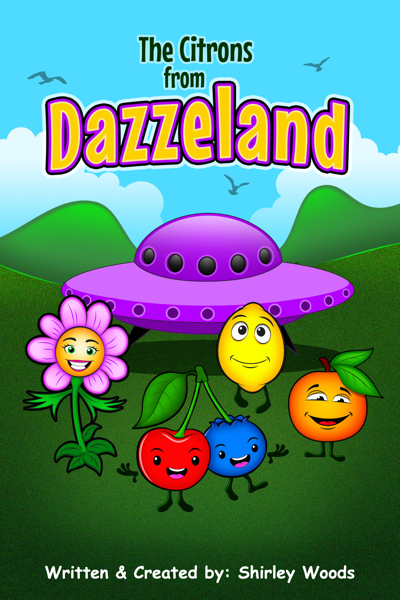
DAZZELAND by Shirley Woods

Dazzeland is a place where the Citrons live and the sky shimmers with endless hues and the air is filled with the scent of Citrus and fruity scents.These small lively fruity beings depend on the Life Source of a mysterious combination of water an  
Member BookAds