Rewriting a folktale or fairy tale for children can be a rewarding and creative experience, allowing you to breathe new life into a classic story while making it your own.
Whether updating it for a modern audience, changing the perspective, or adding a unique twist, these tips will help you adapt a traditional tale thoughtfully and effectively.
1. Understand the Core Themes
Before you dive into rewriting, take time to understand the core themes of the original story. Folktales and fairy tales often convey universal truths, morals, or cultural values that have resonated through generations.
Think about the essential message of the story: is it about bravery, kindness, intelligence, or morality? When rewriting, decide if you want to preserve this theme, morph it into something slightly different, or explore it in a new way.
For example, if the story is about courage, perhaps you can present bravery differently by highlighting vulnerability or community support.
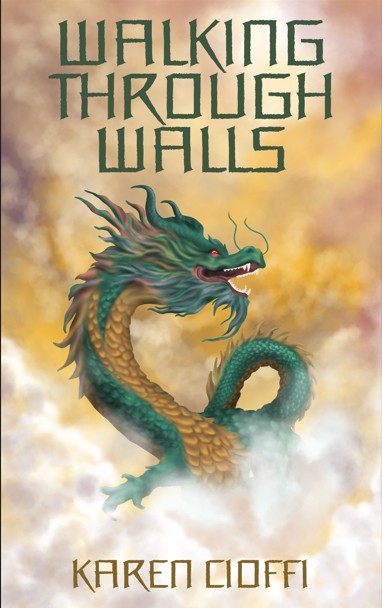
In my chapter book “Walking Through Walls,” I kept the theme the same, revolving around greed and laziness. In fact, I kept the basic storyline as a foundation and built around it and on it.
2. Change the Point of View
Often, ancient tales have adults as the protagonists and secondary characters. This won’t work when rewriting. Kids want to read about kids.
I changed the protagonist and his friends to children in my book.
Another effective way to refresh a story is to change the point of view (POV). Traditional tales are often told from a third-person, omniscient perspective. You can provide fresh insights by shifting to the first person or selecting an unexpected character as the narrator.
For example, retelling “Little Red Riding Hood” from the wolf’s perspective can add complexity, allowing readers to empathize with a character typically seen as a villain. Choosing a minor character as the narrator can also introduce a new layer, as their unique perspective may reveal details or motivations that were previously overlooked.
3. Update the Setting
A classic setting in a fairy tale might be a medieval kingdom or an enchanted forest. By moving the story to a modern-day setting, you can introduce relatable elements and challenges.
What would “Cinderella” look like in a bustling city or “Jack and the Beanstalk” in a tech-driven world?
A contemporary backdrop allows you to explore relevant themes, like social media influence, environmental issues, or the pressures of urban life. Updating the setting can also make the story more accessible to today’s readers, who may connect with modern locations and circumstances.
The original folktale’s tone and flavor, set in ancient China, seemed perfect, so I kept it in “Walking Through Walls.”
4. Add Depth to Characters
Folktales and fairy tales often feature archetypal characters—the hero, the villain, the damsel in distress. While these archetypes serve the plot well, they can feel one-dimensional in a modern context.
Backstories, motivations, and flaws are a must to make children’s characters more relatable.
For example, instead of a purely wicked stepmother, consider a character driven by jealousy or insecurity, making her actions more complex. Or give the protagonist a unique flaw, such as impatience or overconfidence, which they must overcome to succeed.
Developing character depth by including resilience, forgiveness, and growth allows readers to connect with the characters.
5. Introduce Unexpected Twists
One way to keep readers engaged is by introducing unexpected twists or subverting traditional plot points. Consider a twist that adds surprise or irony if the original story has a predictable ending.
For example, instead of the prince rescuing the princess, the princess might rescue herself—or even the prince.
In “Walking Through Walls,” the ending is nothing like the original. There are a couple of unexpected twists.
Changes can also apply to other story elements; for instance, the protagonist might rely on science or technology to overcome challenges instead of a magic spell or object.
Playing with expectations can make your story feel fresh while paying homage to the original.
6. Update the Moral or Message
Traditional tales often come with clear moral lessons, like the importance of honesty, kindness, or humility. These messages were overt. However, the world has evolved. The message may be too strong or feel outdated or overly simplistic.
Today, messages need to be subtly woven throughout the story. Give the young reader enough credit to ‘get it.'
Consider updating the morals to reflect modern values. For example, the story of “The Little Mermaid” traditionally explores sacrifice and love, but a modern rewrite might emphasize themes of self-acceptance and empowerment.
Aligning the moral with contemporary values makes the story more relevant and meaningful to today’s readers.
7. Play with Genre
Folktales and fairy tales don’t always have to remain in the fantasy genre. Experimenting with genre can open up new storytelling possibilities.
Imagine “Hansel and Gretel” as a suspenseful thriller, with the siblings solving puzzles to escape the witch’s lair. Or rewrite “Snow White” as a science fiction story set on a distant planet, with the poison apple reimagined as a bioengineered virus.
Mixing genres can add an interesting layer to the story and challenge you to think creatively about familiar elements.
8. Incorporate Diverse Cultural Elements
Many fairy tales are based on European traditions, but every culture has its own folktales and unique storytelling methods. You can add fresh perspectives by incorporating cultural elements from around the world or setting your story in a different cultural context.
For instance, “Beauty and the Beast” could be reimagined in a Southeast Asian village, with culturally specific traditions and myths shaping the story. This approach enriches the narrative and introduces readers to new cultural elements, making the story more inclusive and reflective of our diverse world.
9. Focus on Dialogue and Language
Folktales often use simple, straightforward language, but you can bring depth to your rewrite through dialogue and description. Experiment with language that suits your chosen setting and era—this might mean using more modern slang or historical language for period settings.
For example, “Walking Through Walls” is set in 16th-century China, so I removed all contractions from the dialogue to keep it period authentic, at least how I perceived the period to be.
Rich, authentic dialogue can reveal character traits, provide humor, or create tension. If you’re setting the story in a unique world, consider inventing terms or phrases that fit that environment, creating a sense of immersion for the reader.
10. Respect the Original Story, but Don’t Be Afraid to Make it Yours
While respecting the source material is essential, don’t be afraid to make bold changes that reflect your unique perspective or creative style.
Let your personality and ideas shape the narrative, whether you’re adding humor, expanding character roles, or changing the ending. Readers will appreciate the originality you bring while recognizing the timelessness of the tale.
11. Add Visual or Sensory Details
Since folktales are often sparse in detail, as was the story of “Walking Through Walls” that I received from a Chinese author many years ago, expanding on visual or sensory elements can help your audience imagine the world in a richer way.
Describe the taste, scent, and sound of the setting, from the eerie silence of a haunted forest to the bustling energy of a festival.
Sensory details can make the story more immersive and allow readers to feel like they’re part of the experience, giving familiar scenes an added layer of vividness.
12. Experiment with Structure and Length
Folktales are traditionally concise, as with the original “Walking Through Walls,” but a retelling offers the opportunity to experiment with structure and pacing.
You can add flashbacks, subplots, or multiple perspectives to deepen the narrative. Or try writing the story in episodic segments, like a series of journal entries or letters, to create a new rhythm.
Changing the structure allows you to develop characters and themes gradually, helping readers connect with the story on a deeper level.
Summing It Up
In rewriting a folktale or fairy tale, your creativity is the key to transforming an age-old story into something exciting and relevant. By blending the familiar with the new, you’ll craft a story that honors the past while resonating with today’s young audience.