|
This is an article published early in January when the US planes were bombing terrorists in the forests of Raskiamboki, south of Somalia off the border with Kenya. I found it today from the internet and found it suitable for sharing with you because it had quoted an article of mine produced in the widely read and most cherished Kenya newspaper of Daily Nation. Thanks
While the U.S. media continues to focus on whether or not U.S. warplanes managed to kill three suspected terrorists in Somalia this week, reports from the region show that local people have different concerns: the loss of life and the regional and global implications of a world superpower launching air strikes with impunity against a poor agricultural country in the midst of a humanitarian crisis.
"It is sad and embarrassing that a global giant can descend on peasants, pastoralists, and fishermen and kill and destroy them using bombs," the East African Standard newspaper quoted a Kenyan political official as saying.
The official, Mashengu wa Mwachofi, argued that the manner of attacks was not proportionate to their goal of rooting out three terror suspects.
The article also cited a top Muslim leader in Kenya who has called on Muslim countries to sever diplomatic and trade relations with the United States until it stops attacks on Somalia. "President George Bush is becoming bullish on the entire world," Sheikh Khamis Banda said. "He cannot fight a poor country like Somalia to justify the fight against terrorists. He is in fact encouraging terrorism in the world by oppressing the poor."
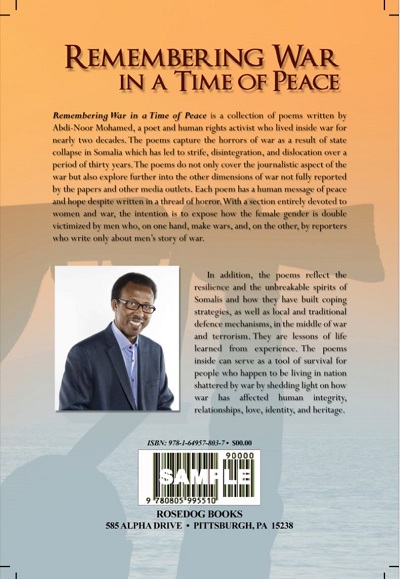
In the Somali capital of Mogadishu, some 220 miles northeast of the location of Monday and Tuesday's air strikes, the public reaction has been muted, says journalist Abdinoor Mohamed, though there is no lack of opinions. A fear of reprisals for speaking out in favor or against the attacks is keeping the masses mum, he said, although local radio has been replete with voices opposing the bombings.
Mohamed has received reports from the area that innocent civilians and their livestock have been killed, however, and that those fleeing have nowhere to go since the Kenyan government closed its border with Somalia.
Like Sheik Banda, the journalist believes that the U.S. strikes could backfire. "If the raids against the remnants of the Islamists and those they have been accused of giving shelter fails," Mohamed said in his report, "there is high possibility that an Iraqi-type insurgency will start in Somalia."
For their part, the international humanitarian group Christian Aid has condemned the air strikes, saying Thursday that "the situation in Somalia can only be resolved through a process of dialogue--a military response will not provide the solution."
The group welcomed a call from the European Union to revive the peace process among Somalia's warring factions, a sentiment that was seconded by the United Nations Security Council Wednesday as well.
Women wash clothes in the floodwaters in December. © Manoocher Deghati/IRIN
The UN called for "more inclusive political dialogue" and said it would send a team to the Kenya-Somali border region to examine how to re-start humanitarian deliveries into Somalia and support the thousands of people displaced by recent waves of fighting even before the unrelated U.S. air strikes this week.
The UN had been delivering aid to hundreds of thousands of Somalis attempting to cope with the worst flooding in the country since 1998, which occurred in the latter half of 2006 and followed closely on the heels of the worst drought the region had seen in a decade.
|