|
The problems contemporary authors face
When I consider how much my fate as a writer depends on things that have nothing in common with writing, I am forced to ponder on the nature of the prospects of remaining a writer. The writer has never had it easy; he has always been subjected to a confrontation with Circumstance. But in today’s scenario, the writer swims against several hostile currents in the hope of not only coming out safely but making a spectacle of his feat. Without a show, creating a scene, as it were, he would be left unseen. He is to remain constantly engaged in being visible; remaining on a platform for all to see. The publisher would hardly take notice of the man if he did little more than spending all his time burning his blood to churn out effective writing. Why blame the publisher? The poor man is after all a trader who has put in his hard earned money into the commerce of writing. Why would he want to lose what he has managed to come by with diligence and sound acumen? I wouldn’t want to do that myself if I were a publisher. The average buyer of writing, the general book-reader, is a strange commodity with the most unpredictable kind of taste. He can be thoroughly confused, looking for ways of reducing his confusion by escaping into a world of excitement or romance. A publisher naturally finds it convenient to sell an author who is well known to such a reader. Few writers, however, are known sufficiently well until they have become famous or infamous by some kind of outlandish action. Even politicians, who would be known sufficiently well, need to make their acts eccentric, or weird. Who would cast a vote for one who sits quietly in a corner doing hard, but unnoticed, work?
If one has not produced a product of public utility, better than the products of others available in the market, why would the consumer want to buy his product? Art, unfortunately, has little utility for mass public consumption. The successful writer therefore must endeavour to reduce his writing to the level of a product that has more public utility. When one thinks of public (or mass) utility in fiction, one thinks of making fiction a little like, a tourist guide, a bare romance or even a book that frequently leads to little more than exercises in sex, resembling pornography. If artistic writing is to be produced without making it directly useful for public consumption, then it needs to have elements of sensationalism, or other kinds of thrill that have been injected into its fibre against its natural grain. Once the writer acquires a reputation for providing sufficient thrill, the general reader (with a mob-psychology) will want to read him. If a writer finds that kind of hybrid writing difficult to produce he should look for publicity of some other kind. In its worst form the publicity for writers is almost like advertising; done as blatantly as the advertising for a new brand of toothpaste.
Facebook, Twitter and other Internet agencies have come forward to make the writing of authors sell better. These can, on the one hand, be considered boons for the writer struggling to become visible while on the other they are no more than sophisticated versions of the advertisement industry. They are necessary evils that the writer must willingly or unwillingly embrace, or, to use another trite metaphor, they are the sugar quoted pills that the author swallows to survive oblivion. For the writer who would defy the demands of the contemporary situation, Time marches on towards his extinction, forcing him to become a part of nothingness.
|


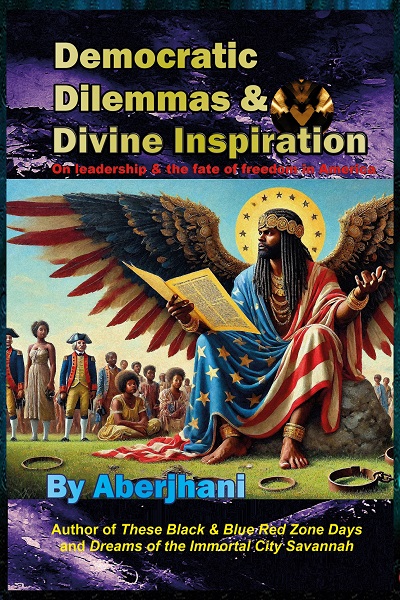

I don't think that advertising, whether it is on Facebook, Amazon, or AD, has much impact on the success of a work. Like the music one-hit wonders, an author can make a career out of one successful work. On the other hand, building a body of work can gather fans from many sources. I have found that people search for poems. Since I have many poems on my website, they find them. I don't care if they violate my copyright privileges because the more readers that I get, the better chance that people will want to read my books. Fortunately, a couple of my poems have struck a chord with people and two of them have been used in high schools, making a lasting impression, good or bad, on young people.
Thanks for sharing your ideas on the plight of authors.
Ron