By Tina B. Tessina, PhD
Despite the occasional temporary setback, my life is good, and I’m grateful. It wasn’t always that way, however. At 18, just after I left for college, I was essentially orphaned, and have had to go from no education or support to finding a purpose, supporting myself through a PhD, and developing four businesses to do that. I also recovered from an abusive marriage, and now have been happily married for 23 years, and in successful private practice since 1978. Before I could succeed, I needed to learn to support myself emotionally as well as financially. Having come from a difficult time, I appreciate my blessings, and I find that even the problems have become blessings. Today, I am privileged to use my experiences to work with clients every day to help them become more independent, self-actualizing, fulfilled, and successful.
One of the most powerful tools we have in turning the negative to positive is self-talk. We all have a running dialog in our heads, which often is negative or self-defeating. The good news is that we can choose to replace this negative monologue with something more positive. The brain tends to repeat familiar things over and over, going again and again over established neuronal pathways. Repeating a mantra, an affirmation or a choice over and over creates new pathways, which eventually become automatic. The new thoughts will run through your head like the old thoughts did, or like a popular song you've heard over and over.
If your self talk feels "naturally negative," you may be creating a self-fulfilling identity. One thing you can do is to monitor your self-talk: what do you say to yourself about the upcoming day, about mistakes, about your luck? If these messages are negative, changing them can indeed lift your spirits and your optimism. Know yourself: if you love silence, tend to be quiet, like quiet conversations and not big parties, this may be a genetic trait -- your hearing, and nervous system may be more sensitive than others, and this trait will not go away. You can, however, make the most of it, and learn that creating plenty of quiet in your life will make you a happier person. If, on the other hand, you’re a party animal – social, enjoying noise and excitement, you can also use that as an asset. Positive, happy people do have an easier time in life, and bounce back from problems faster. There are things you can do in every case to increase your level of optimism, even if you can't change who you are.
Your thoughts affect your mood, and how you relate to yourself can either lift or dampen your spirits. Neuronal activity in the brain activates hormones which are synonymous with feelings. Constant self-criticism results in a "what's the use" attitude, which leads to depression. Continuous free-floating thoughts of impending doom lead to anxiety attacks. Negative self-talk creates stress. What I do to help clients become aware of self-inflicted stress is first, to ask them to become aware of what they're saying to themselves -- if there is a constant stream of negativity, it will create stress -- just as being followed around by someone who's constantly carping on you would be stressful. Also, if they're fighting within themselves -- not able to come to a solid idea of what they want -- that will make it difficult to make decisions, and increase the stress. Dysfunctional relationship patterns also are stress-building. For example, if you are constantly guilt-tripped by someone else, or you and your spouse fight, or you are too worried about others' opinions of who you are and what you're doing, you'll be a lot more stressed than if you know how to get along with others, when to listen and when to trust yourself. Most of my clients don’t realize that they are responsible for their own feelings, and no one else is responsible for making them feel better.
To move from negativity to gratitude, try the following suggestions:
Make a note: Write positive comments on your daily calendar to yourself for jobs well done or any achievements you want to celebrate. Or you can paste stickers on your daily calendar as you accomplish goals daily frequent positive commentary is a very effective way to reward yourself and remind yourself of your success.
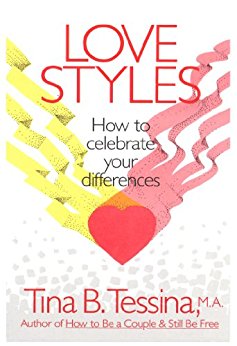
Look to your childhood: Use activities that felt like a celebration in your childhood: did your family toast a celebration with champagne or sparkling cider, a gathering of friends, or a thankful prayer? Create a celebration environment: use balloons, music, flowers, candles, or set your table with the best china. Use the exercise on your family style in chapter two to find ideas.
Visible reminders: Surround yourself with visible evidence of your successes. Plant a commemorative rosebush or get a new houseplant to mark a job well done, or display photos of fun events, and sports or hobby trophies. It's a constant reminder that you appreciate yourself and when you see them daily, you'll feel the appreciation.
Reward yourself: A new trashy romance novel or detective thriller can be a great reward/celebration for reading your required technical books.
Party!: Celebrate a cherished friendship with an impromptu lunchtime picnic and a balloon. Or with tickets to a ball game. (adapted from It Ends With You: Grow Up and Out of Dysfunction © 2005 Tina B. Tessina)
Author Bio:
Tina B. Tessina, Ph.D., (www.tinatessina.com) is a licensed psychotherapist in S. California, with over 25 years experience in counseling individuals and couples and author of 11 books, including "It Ends With You: Grow Up and Out of Dysfunction" (New Page 2003)""How to Be a Couple and Still Be Free" (New Page 2002) "The Unofficial Guide to Dating Again" (Wiley 2002) and "The Real 13th Step: Discovering Self-Confidence, Self-Reliance and Independence Beyond the Twelve Step Programs" (New Page 2001) She publishes the "Happiness Tips from Tina" e-mail newsletter and has hosted "The Psyche Deli: delectable tidbits for the subconscious" a weekly hour long radio show. She is an online expert, answering relationship questions at www.CouplesCompany.com and Yahoo!Personals, as well as a Redbook Institute expert and "Psychology Smarts" columnist for First for Women. Dr. Tessina guests frequently on radio, and on such TV shows as "Oprah", "Larry King Live" and ABC news.