Chapter 1: Gravity as Tempo
The universe is not a static portrait—it is a rhythm, a pulse, a flickering beat. At its most fundamental level, reality arises and dissolves in cadence with an unseen metronome. The
Taoists sensed it first: the world disappears and reappears at the speed of gravity.
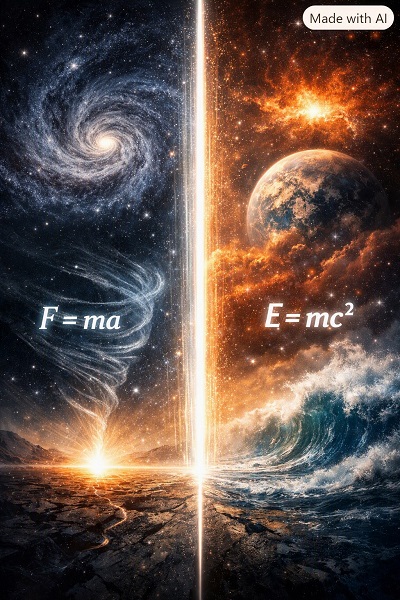
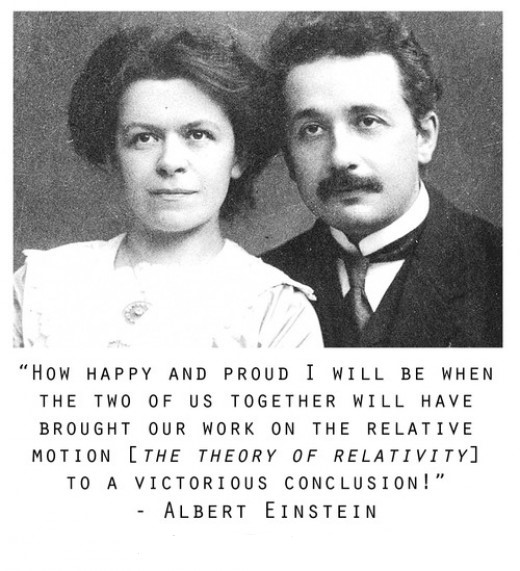
Science has only recently begun to echo these ancient intuitions. Planck revealed the smallest measure of time—the quantum tick—while Einstein extended the fabric of time and space into infinite reach. Yet neither realized they were quantifying the Tao.
Tesla, however, may have known. His visions didn’t merely crackle with electricity—they hummed with recognition. He grasped that movement itself was the key, that the universe was a perfect generator, and that to align with its tempo was to transcend mechanical time. No batteries, no storage—just the immediate transmission of pattern and pulse.
But gravity does more than pull—it paces. It is the beat behind every breath, the drag behind every decision, the constant whisper that movement is never random. It draws all things together and gives shape to their separation. In a universe where even light bends to its will, gravity becomes not just a force, but a timing mechanism—a divine metronome counting cycles of being.
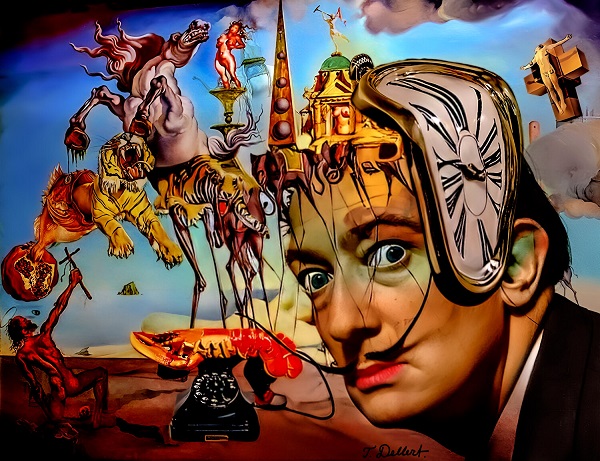
And we? We flicker. Like frames in a cosmic film reel, our moments arise and vanish in quick succession, giving the illusion of continuity. Yet the film is not fixed—each frame is a consequence of resistance and intention, encoded in energy, decoded in perception. What we call “reality” is nothing more than the result of how we attune to the tempo.
Few recognize that gravity is not just physical—it is philosophical. It reminds us that to stand still is to fall behind the beat of becoming. To live is to move. To awaken is to feel the weight of the pulse and dance with it, instead of fighting the rhythm.