In the architecture of existence, collapse is not an anomaly—it is the mechanism. It does not wait for revelation, nor does it require belief. It is not a
prophecy or a punishment. Collapse is a fact, embedded in the structure of all systems, visible to none.
Human beings resist knowledge not because they are incapable of understanding, but because they are entangled in the illusion of identity.
We are the sum of who we think we are, and this sum becomes a barrier to truth. In our discomfort, we construct patterns of protection—rituals of control, hierarchies of thought, and systems of authority.
These patterns do not reveal reality; they obscure it.
We defer to higher powers, seeking shelter beneath their shade.
Each mind becomes an umbrella, observing others, fostering cooperation not from understanding but from necessity. This is the nature of energetic environments—systems that pulse with movement and resistance yet remain fundamentally misunderstood.
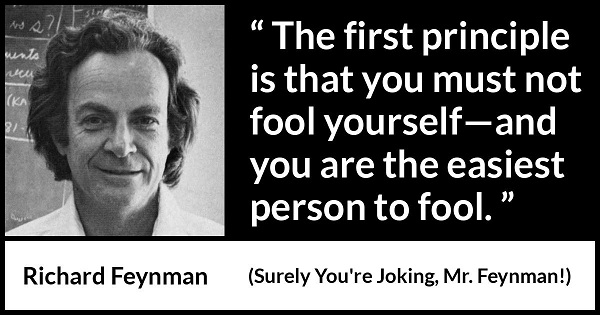
“It is important to realize that in physics today, we have no knowledge of what energy is.” — Richard Feynman
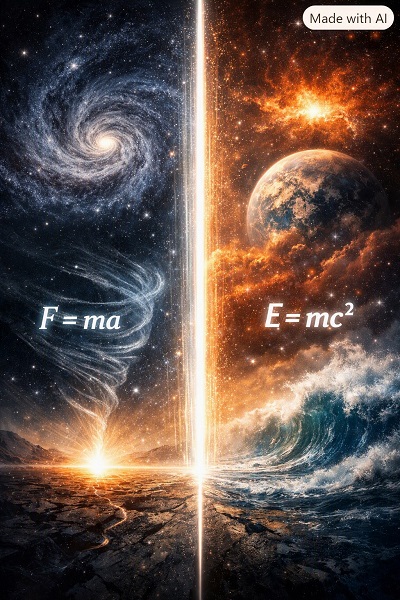
Energy, the invisible force that animates all things, conforms to hierarchy. It is governed by a singular thought—the thought above all others. This thought is not personal; it is collective. It is the original cause, omnipresent and ungraspable. It is the architecture behind movement, the twist of Eternity into form.
“The whole is more than the sum of its parts,” — Aristotle
The universe began when Eternity twisted into energy, remaining tethered to its source. That twist continues, driven by resistance. Movement and resistance are inseparable.
Thought is movement; thinking is its vessel. And thinking, being everywhere at once, obscures the origin of thought itself. This is why energy remains undefined.
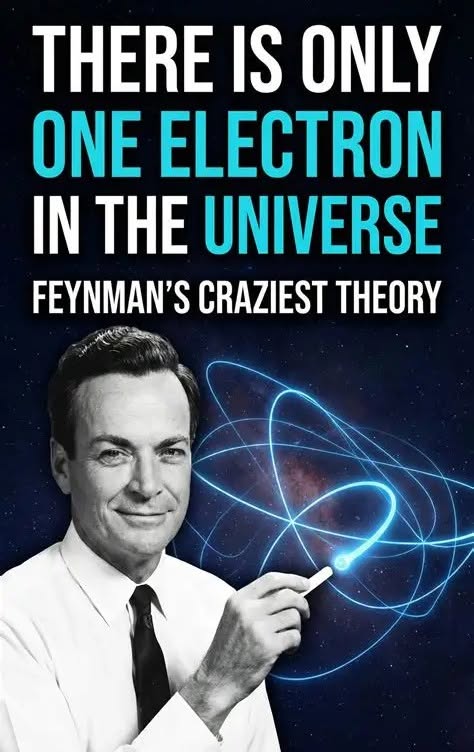
John Wheeler once proposed to Richard Feynman that perhaps there is only one electron, moving forward and backward in time, appearing as many. This idea, though radical, reflects a deeper truth: all patterns of thought are expressions of one thought, refracted through time and space.
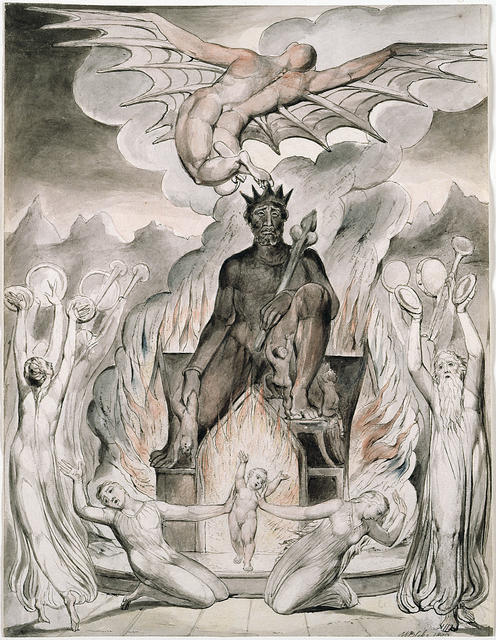
Thought is the collective will. It elects its leaders, enacts its desires, and enforces its order. Those who challenge this order are met not with reason, but with wrath. The sum of who we are—this collective identity—is merciless.
We created it, and we wield it with impunity to protect our lifestyles. We point fingers, assign blame, and remain unaware of our complicity.
The system collapses when its order is known. But collapse does not wait for knowledge. It is already happening. This is the secret that must not be known.
The universe is vanishing and reappearing at the speed of gravity, regardless of our awareness or consent.
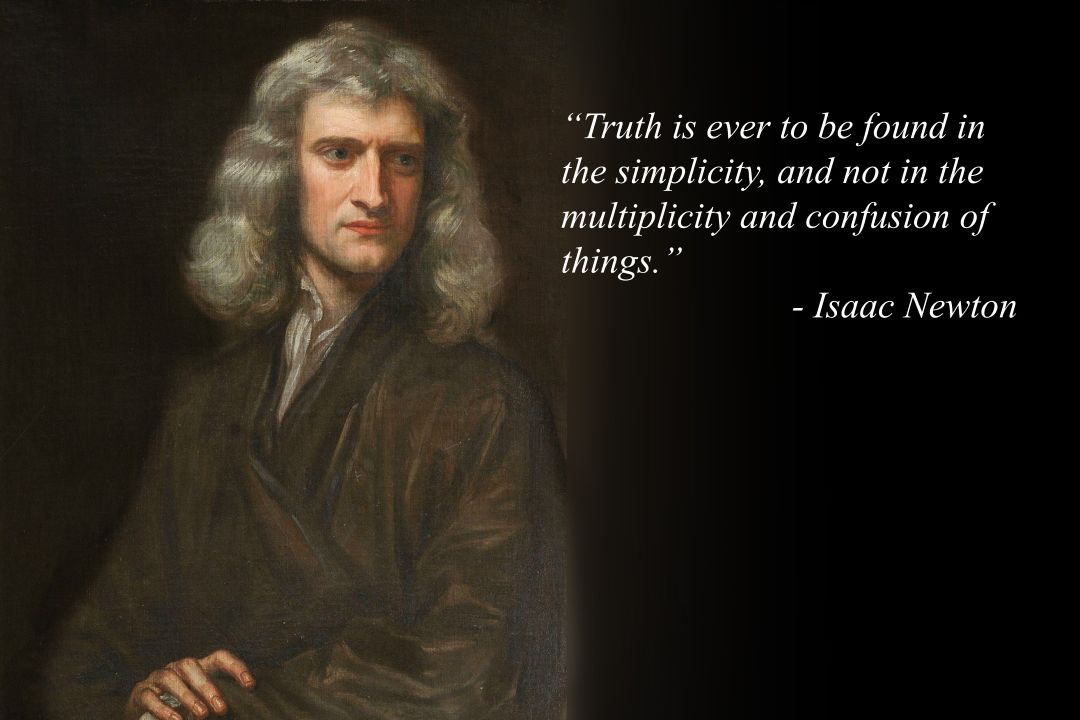
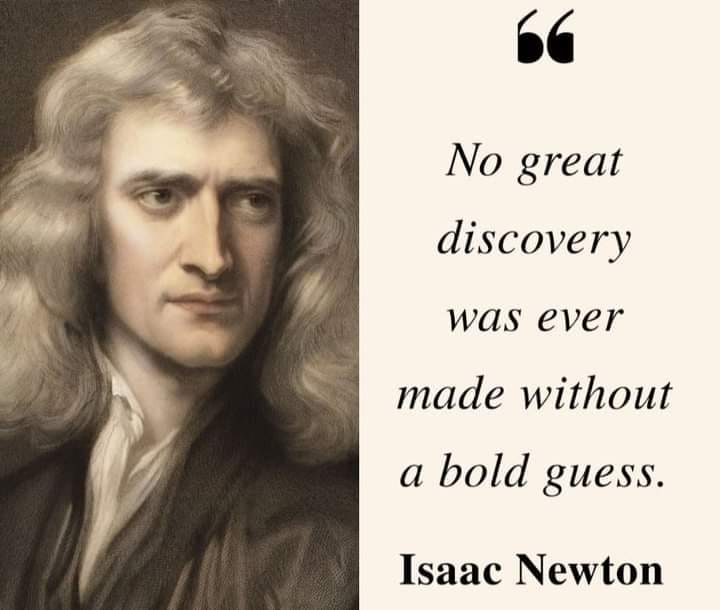
This is the eternally recurring universe—a concept explored by Newton, Planck, Tesla, and others. Yet their insights, profound as they are, dissolve into the ocean of thought, assimilated but not understood.
The sum of all is vastly more powerful than any individual within its path. This is how energy works.
We are responsible, there is no other.