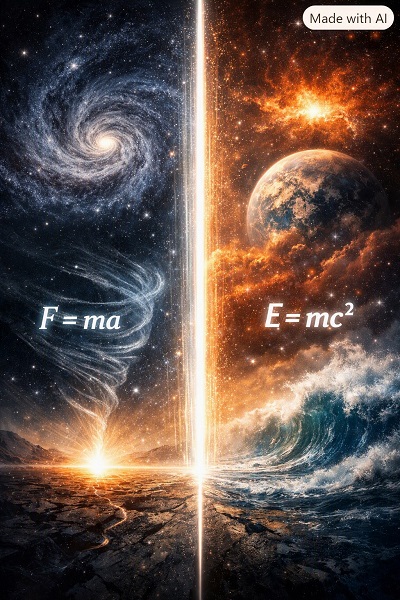
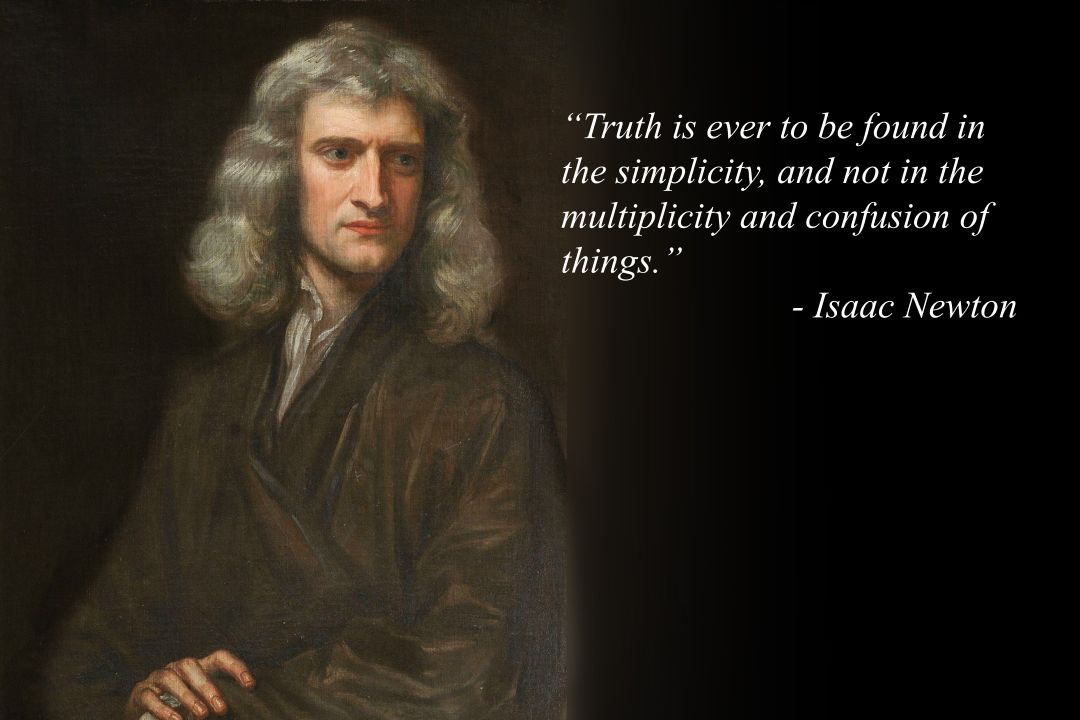
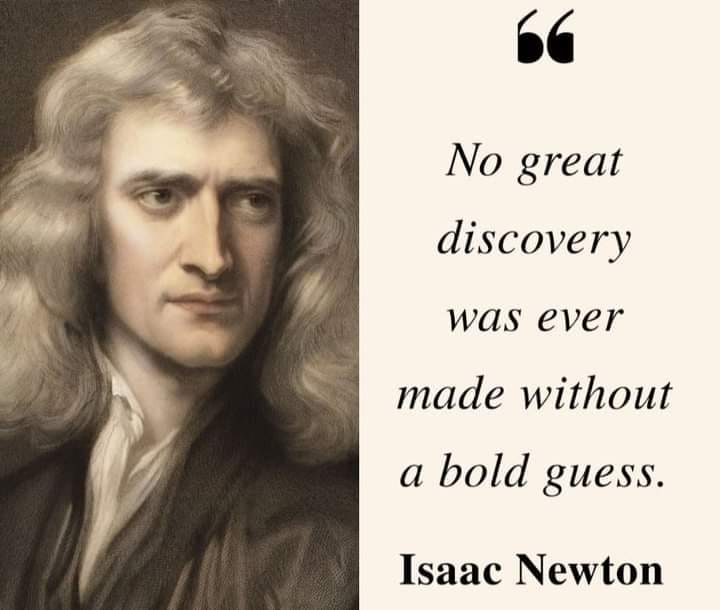
 Isaac Newton defined the moving image of eternity as F=ma.
THE AUTHORS OF TIME ARE AS PUPPETS TO ALL AS ONE.
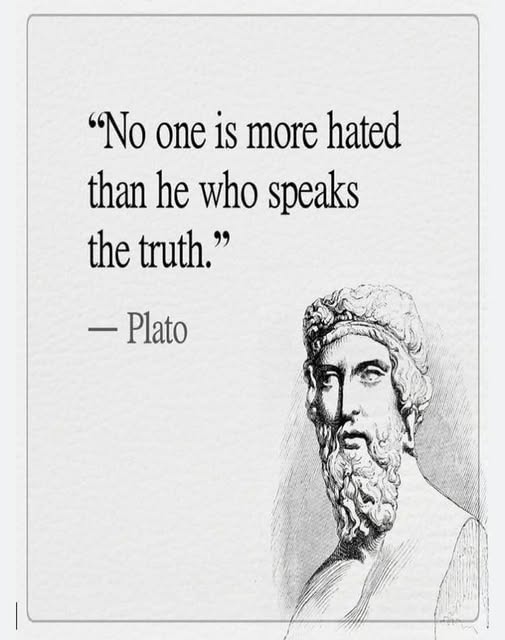
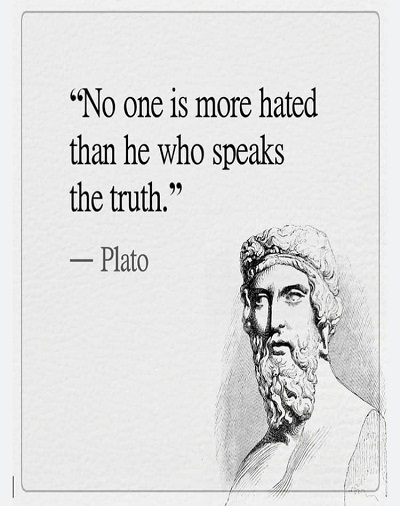
"Time is the moving image of eternity." - Plato, Timaeus.
It is the loveliest thing to know we are an eternal twist—never leaving the sight of Love. Love, as David Bohm reminds us, is not a static noun but a movement:
“Thought itself is an actual process of movement.” Eternity twists—not breaks—into time."
Love is Eternity, but then ‘all as one’ we became a point of view. A quantum blink, like Heisenberg’s uncertainty: the moment we observe, we fracture the whole. One is all became a point of view for the least time possible—Planck’s time, the smallest unit of becoming.
Some amazing minds have lined our way: Newton, who saw the energy complement of One is all, Tesla, who saw every living being as “an engine geared to the wheelwork of the universe.” And Bohm again, who saw the implicate order unfolding into the explicate—a morph of unity into form.
A point of view is a movement away. Movement is energy. Energy is a reference by which to be measured. But measurement is forgetting. As Shelley wrote in Hymn to Intellectual Beauty,
“Spirit of Beauty… why dost thou pass away and leave our state, this dim vast vale of tears, vacant and desolate?”
The point of view does not want an easy fix. It wants to experience all it can be, as if life’s possibilities are more fulfilling than One is all.
It’s an easy sell. Resistance is everywhere at once— the Tao says:
“Not to know it is blindness that works evil.”
Resistance is the sum of our own thinking. Thought is the silent precursor, the twist that repeats to meet its own demand.
The physical structure is constant— a mechanism reinventing - a flash of energy repeating from nothing, without cost, because it literally comes from ‘nothing’. As Bohm said:
“Ultimately, all moments are really one, therefore now is an eternity.”
Meanwhile, all as One, we joyride through our points of view— forgetting, constantly twisting back to the beginning before beginnings.
“Time is the moving image of eternity.” — Plato, Timaeus.
|