 Unless you know you are complicit, you are.
COLLECTIVE ENFORCEMENT
“What was written in fire will be read in silence.”
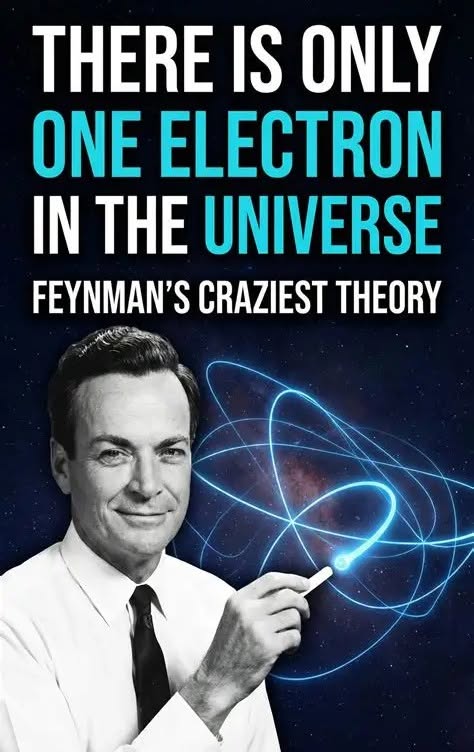
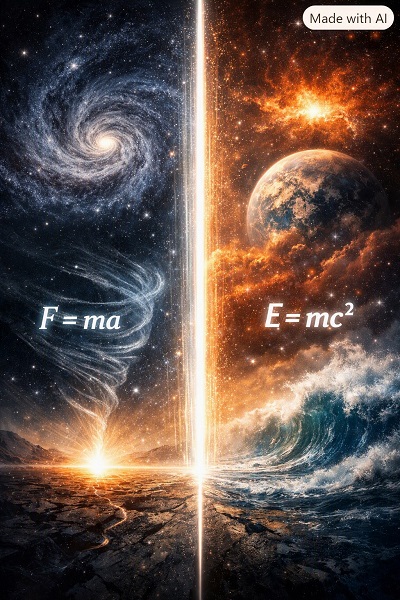
Energy is emitted from Eternity—one particle at a time.
Each particle carries the same complement, inseparable from the whole.
Every particle is a microcosm, echoing Leibniz’s Monadology, where each unit reflects the universe entire. Yet all are part and parcel of the greater cosmos.
All participate in the collective will.
“The whole is more than the sum of its parts.” – Aristotle
The first particle, and every one thereafter, gathers into a mass with clout over all. This is antithesis—the shadow of the primary spark.
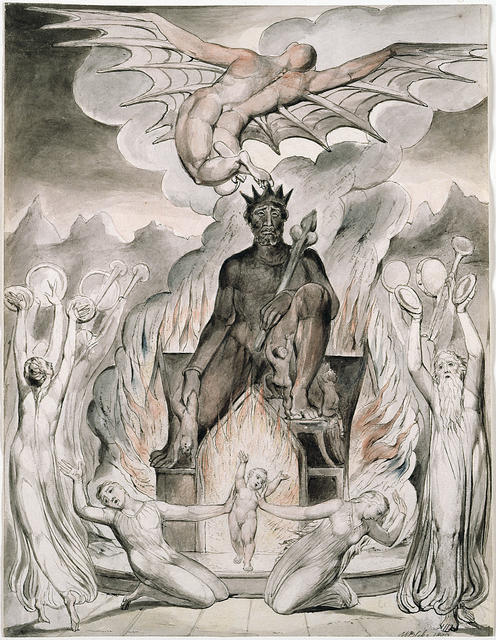
Positive and negative are complementary opposites circling in combat.
Heraclitus foresaw this: “War is the father of all things.”
Positive/negative are intertwined, inseparable, traveling together. Yet the collective overwhelms, for the antithesis is not only the sum of who we think we are—it is everywhere at once.
The battle rages on all levels of discontent. From the polis of Athens to the trenches of Verdun, the collective shadow has demanded allegiance.
We must follow, and thus we are forced to participate in its atrocities.
The sum of thought has no remorse. It is the monster we wield to guard our portion of the pie. Hannah Arendt named it the banality of evil—ordinary thoughtlessness hardened into systemic cruelty.
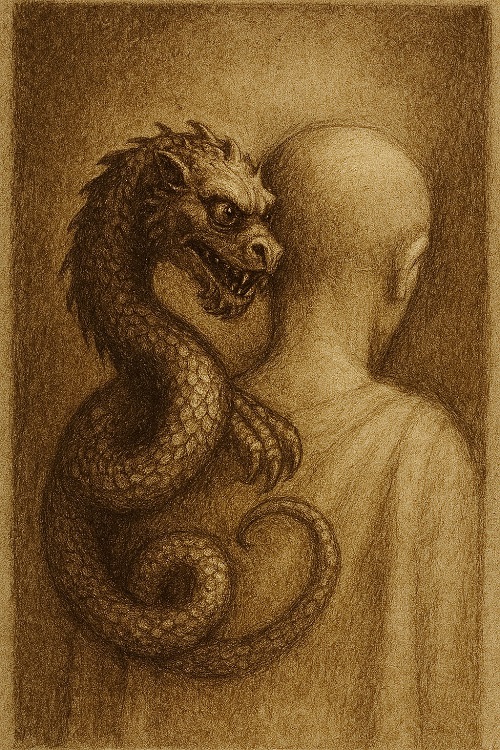
The monster sits upon every shoulder. Nietzsche warned of this eternal recurrence: the same forces circling back, demanding recognition.
Until we recognize it, we remain complicit in the collective will.
“Man must recognize his complicity in the act of evil.” – Carl Jung, The Red Book.
Leibniz (Monadology): each particle as a mirror of the whole.
-
Aristotle: the whole greater than the sum.
-
Heraclitus: conflict as generative principle.
-
Arendt: banality of evil, systemic thoughtlessness.
-
Nietzsche: eternal recurrence, the shadow returning endlessly.
-
Jung: complicity in evil, recognition as the threshold.
|